
Mouse Control in Rochester Homes: How to Eliminate Mice and Keep Them Out

March 20, 2026

Mouse Control Rochester NY – Eliminate Mice Fast

Few household pests are as unsettling as mice. The sound of scratching in walls at night, the sight of small droppings in a pantry, or the discovery of chewed food packaging can make homeowners feel uneasy in their own homes. In Rochester and throughout Monroe County, mouse infestations are extremely common—especially during fall and winter when colder temperatures drive rodents indoors.

Mice are not just a nuisance. They contaminate food, spread bacteria, damage wiring, and reproduce quickly. Many homeowners attempt traps or poisons, only to find the problem continuing or worsening. Without a complete strategy that addresses entry points, nesting areas, and long-term prevention, mice are likely to return.

This guide explains why mice infest Rochester homes, how to recognize the signs early, why DIY methods often fail, and how professional mouse control provides reliable, lasting results.

Why Mice Are So Common in Rochester Homes

Rochester’s climate plays a major role in rodent activity. As temperatures drop in late fall, mice seek warmth, food, and shelter inside homes, garages, sheds, and barns. Older homes with aging foundations, stone basements, or utility penetrations are especially vulnerable.

Mice can squeeze through openings as small as a dime. Gaps around pipes, vents, doors, and siding provide easy access. Once inside, mice prefer quiet, undisturbed areas such as wall voids, attics, basements, and crawl spaces.

Food availability is another major factor. Crumbs, pet food, bird seed, and improperly sealed pantry items provide enough nourishment to sustain an infestation. Even clean homes can attract mice if entry points exist.

The Dangers of a Mouse Infestation

Mice pose several risks to both health and property. They carry bacteria such as salmonella and contaminate surfaces through droppings and urine. Their waste can also contribute to poor indoor air quality, triggering allergies and asthma symptoms.

Property damage is another serious concern. Mice constantly gnaw to keep their teeth from overgrowing. Electrical wiring is a frequent target, increasing the risk of house fires. Insulation, drywall, and stored belongings are also commonly damaged.

Because mice reproduce rapidly, a small problem can escalate quickly. A single female mouse can produce dozens of offspring in a year, making early intervention critical.

Signs You May Have Mice in Your Home

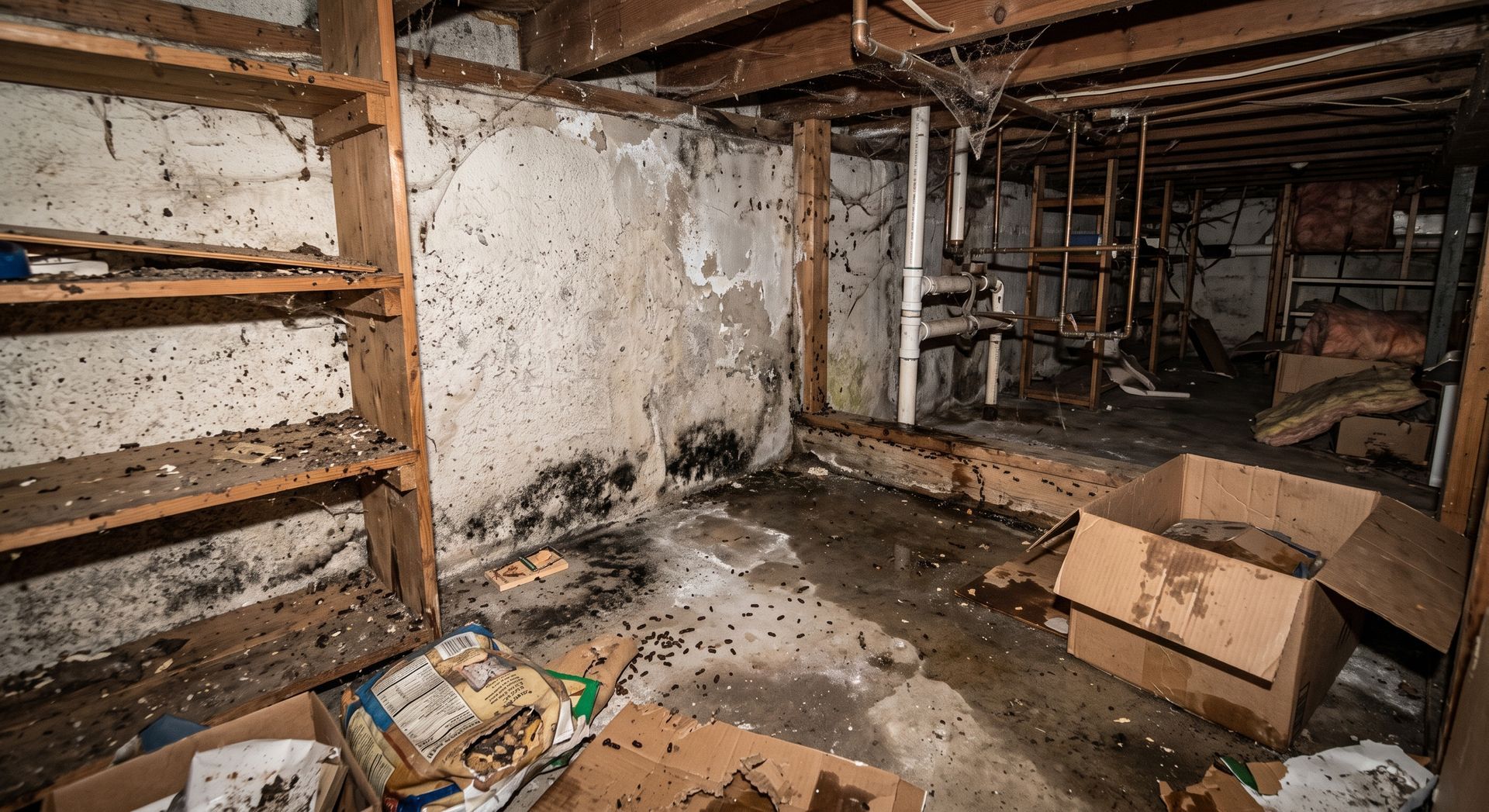
Early detection helps prevent larger infestations. One of the most common signs is droppings, which are small, dark, and pellet-shaped. These are often found near food sources, along baseboards, or in drawers and cabinets.

Scratching or scurrying noises at night are another warning sign, especially in walls or ceilings. Mice are nocturnal, so activity is most noticeable after dark.

Other signs include gnawed food packaging, chewed wiring or wood, nesting materials such as shredded paper or insulation, and unpleasant odors from urine.

Seeing a mouse during the day often indicates a larger infestation, as overcrowding forces mice into open areas.

Why DIY Mouse Control Often Fails

Many homeowners attempt to control mice using snap traps, glue traps, or poison bait. While these methods may catch or kill individual mice, they rarely eliminate the infestation entirely.

Traps placed incorrectly or without proper baiting strategies may be avoided by cautious mice. Poison bait can create additional problems, including dead mice hidden in walls, resulting in foul odors and insect activity.

DIY efforts also fail to address how mice are entering the home. Without sealing entry points and eliminating nesting areas, new mice quickly replace those removed.

In some cases, improper rodent control can pose risks to pets, children, or non-target wildlife.

How Professional Mouse Control Works

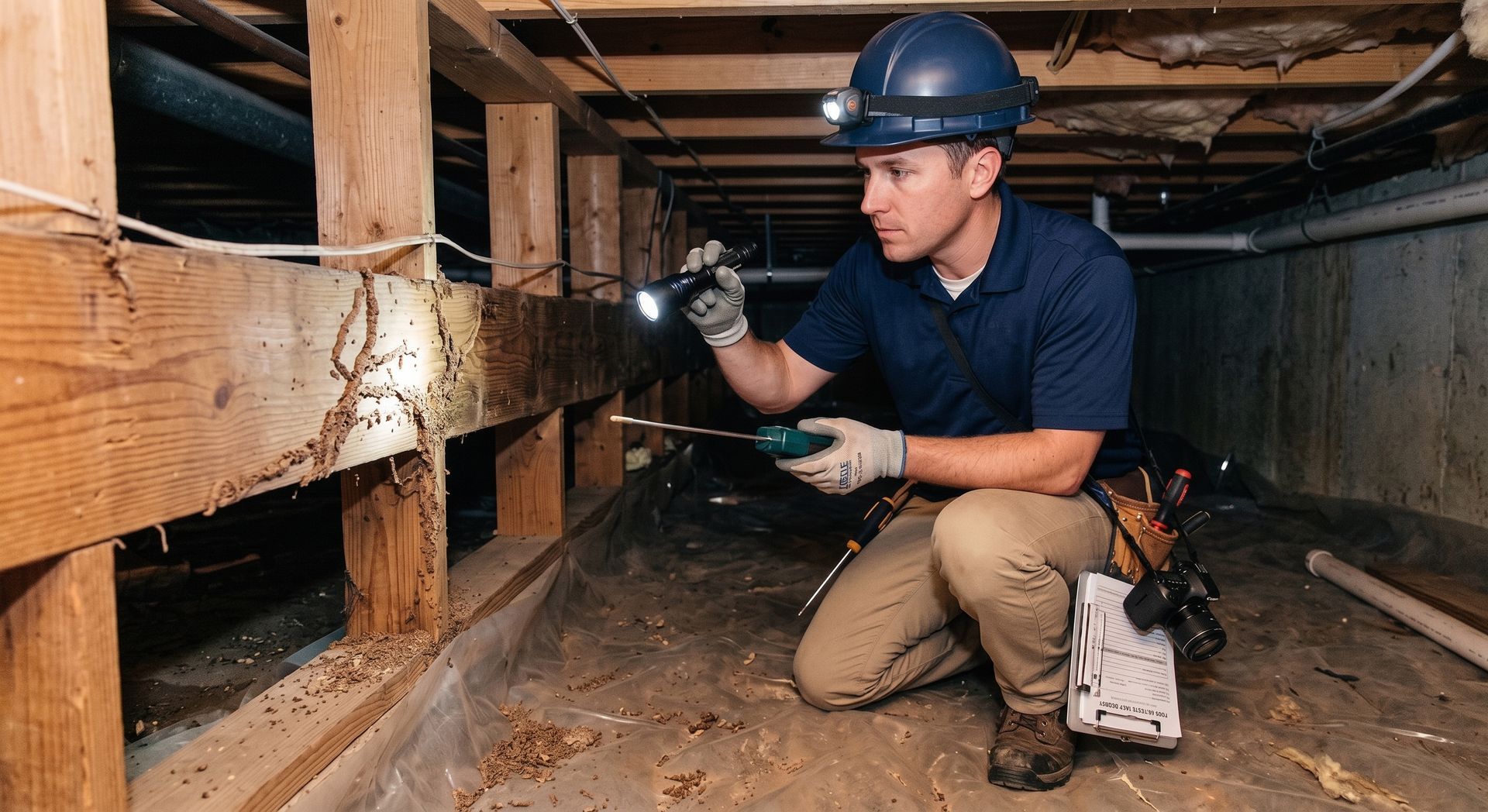
Professional mouse control focuses on elimination, exclusion, and prevention. The process begins with a comprehensive inspection of the home’s interior and exterior.

Entry points are identified, including foundation gaps, utility penetrations, vents, and damaged siding. Nesting areas and travel paths are located using signs such as droppings and rub marks.

Traps and bait stations are strategically placed in secure locations to eliminate existing mice. Tamper-resistant bait stations are used to protect pets and children while effectively controlling rodents.

Equally important is exclusion. Entry points are sealed using rodent-proof materials such as steel mesh, metal flashing, and durable sealants. This prevents new mice from entering after the existing population is removed.

Follow-up visits ensure that activity has stopped and that prevention measures remain effective.

The Importance of Exclusion in Mouse Prevention

Eliminating mice without sealing entry points is a temporary solution. Exclusion is the most important factor in long-term mouse control.

Even small openings can allow mice inside. Professional exclusion focuses on reinforcing vulnerable areas around foundations, doors, windows, rooflines, and utility access points.

For homes with garages, barns, or sheds, additional measures may be recommended to prevent rodents from nesting in outbuildings and migrating indoors.

Seasonal Mouse Activity in Monroe County

Mouse infestations peak during fall and winter, but activity can occur year-round. In summer, mice may nest outdoors and enter homes for food. In winter, they rely on indoor shelter for survival.

Homes near wooded areas, fields, or water sources are at higher risk. Older neighborhoods in Rochester with dense housing and shared infrastructure may also experience higher rodent pressure.

Seasonal inspections and maintenance treatments help reduce the likelihood of infestations before they begin.

Preventing Mice Through Home Maintenance

Simple maintenance habits can support professional control efforts. Food should be stored in sealed containers, and pet food should not be left out overnight. Trash should be secured, and bird feeders placed away from structures.

Clutter should be reduced in basements, garages, and storage areas to eliminate nesting opportunities. Outdoor vegetation should be trimmed away from the home, and firewood stored off the ground and away from foundations.

Regular inspections help catch early signs before infestations become severe.

FAQs

How long does it take to get rid of mice?

Most infestations show improvement within one to two weeks, depending on severity and home conditions.

Are professional mouse treatments safe for pets?

Yes. Treatments use tamper-resistant equipment and targeted placement to ensure safety.

Will mice come back after treatment?

When exclusion is completed properly and maintenance recommendations are followed, mice typically do not return.

Final Thoughts

Mouse infestations are common in Rochester homes, but they are not something homeowners have to live with. Understanding how mice enter, why DIY solutions fall short, and how professional control works makes it easier to stop infestations quickly and prevent future problems.

With proper inspection, exclusion, and ongoing prevention, homeowners can protect their homes from mice and restore comfort and peace of mind year-round.

Close-up of wood with tunnels, larvae, and small black insects. Brown and tan colors dominate.
March 5, 2026
Worried about termites in Rochester? Learn how to spot termite activity, prevent costly damage, and protect your home with professional pest control services.
Cockroaches crawling on a white windowsill and dark floor, with scattered black droppings.
February 18, 2026
Seeing cockroaches in your Rochester home? Learn why they infest, why DIY treatments fail, and how professional extermination eliminates roaches for good..