
Silverfish and Pantry Pest Control in Rochester Homes: Protecting Food, Paper, and Belongings

June 22, 2026

How to Protect Food, Paper, and Valuables from Silverfish and Pantry Pests in Rochester

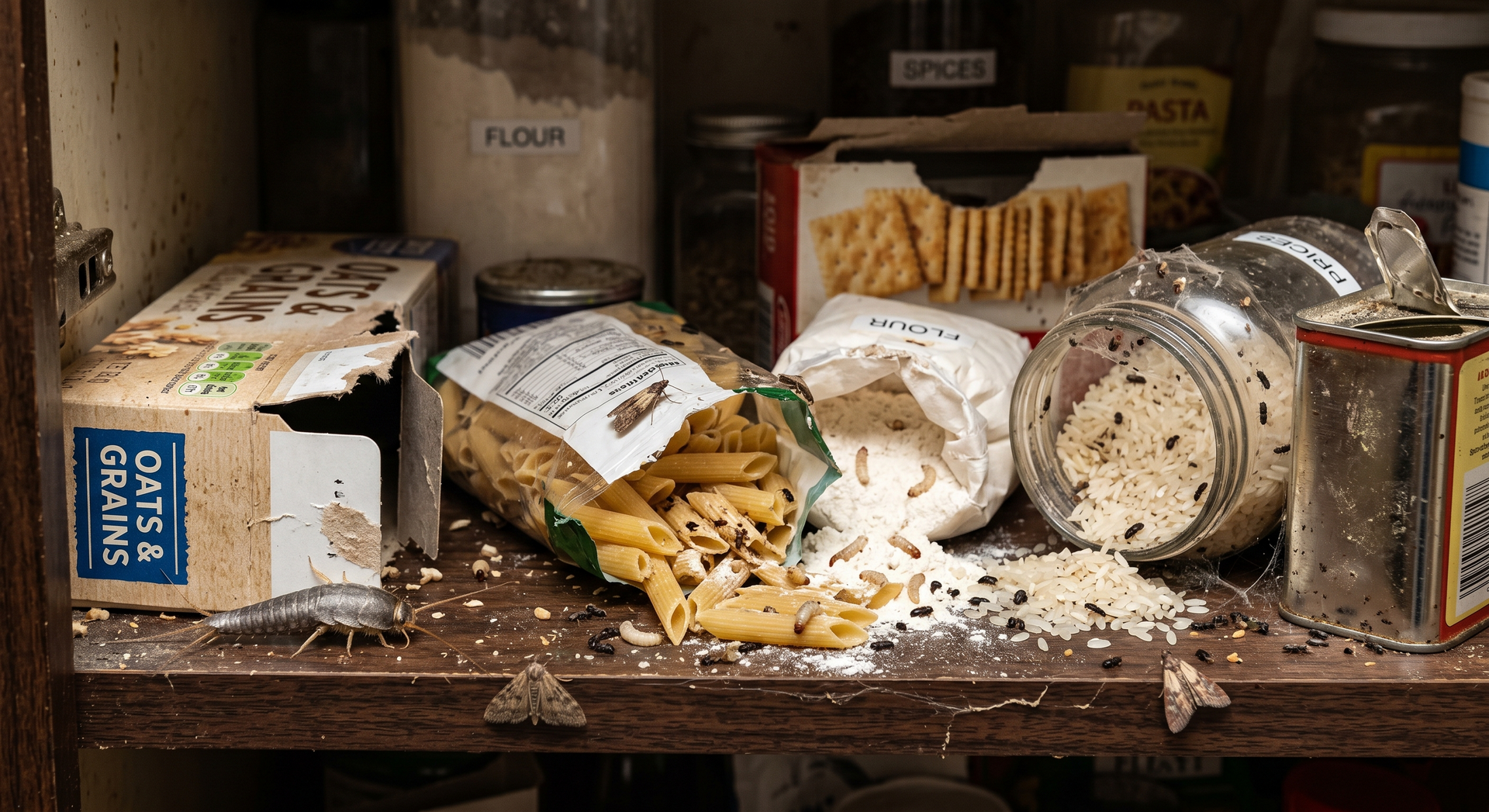
Spilled dry pasta and flour on a pantry shelf, with tipped boxes and scattered crumbs.

Discovering small insects crawling through stored food, books, closets, or bathroom cabinets can be unsettling for any homeowner. In Rochester and throughout Monroe County, silverfish and pantry pests are common yet often misunderstood problems. These insects may not bite or sting, but they can cause significant damage to food supplies, paper goods, clothing, and personal belongings if left untreated.

Because silverfish and pantry pests tend to remain hidden, infestations often go unnoticed until damage becomes obvious. Many homeowners mistake them for harmless nuisances and attempt quick fixes that fail to address the root of the problem. Without proper identification and targeted control, these pests can persist for months or even years.

This guide explains why silverfish and pantry pests are common in Rochester homes, how to recognize early warning signs, what damage they cause, why DIY treatments often fail, and how professional pest control protects your home and stored items.

Why Silverfish and Pantry Pests Appear in Rochester Homes

Rochester’s climate and housing styles create favorable conditions for these pests. Cold winters drive insects indoors, while humid summers increase moisture levels inside basements, bathrooms, and kitchens. Older homes, in particular, often have higher humidity, aging plumbing, and hidden voids that allow pests to thrive.

Silverfish are attracted to moisture, darkness, and materials containing starches or sugars. They commonly inhabit bathrooms, basements, attics, laundry rooms, and closets. Pantry pests, on the other hand, are drawn to stored food products such as flour, cereal, rice, pasta, pet food, and bird seed.

These pests often enter homes through grocery items, cardboard packaging, cracks in walls, or gaps around doors and windows. Once inside, they reproduce quietly and spread to additional areas.

Common Types of Silverfish and Pantry Pests in Monroe County

Silverfish are small, wingless insects with a distinctive silvery appearance and quick, fish-like movements. They feed on paper, glue, fabrics, wallpaper, and food crumbs. Firebrats, a closely related species, may also appear in warmer areas of the home.

Pantry pests include several types of beetles and moths. Indian meal moths are one of the most common, often seen flying near kitchen cabinets or pantry shelves. Their larvae feed on dry goods and leave behind webbing and contamination.

Other common pantry pests include grain beetles, flour beetles, and weevils. These insects infest packaged foods and can spread quickly from one item to another.

Correct identification is essential, as treatment methods vary depending on the pest involved.

Damage Caused by Silverfish and Pantry Pests

Although small, these pests can cause surprisingly extensive damage. Silverfish feed on materials containing cellulose, such as paper, books, documents, wallpaper, and cardboard boxes. Over time, they can damage valuable items, family photos, stored clothing, and important records.

They may also feed on fabrics like cotton, linen, and silk, especially if clothing has food residue or sweat stains. In libraries, offices, or homes with extensive book collections, silverfish damage can be especially costly.

Pantry pests contaminate food supplies. Even if only a few insects are visible, many more may be present inside packaging. Contaminated food must be discarded, leading to waste and expense. In severe infestations, pests can spread throughout kitchens and storage areas.

Beyond physical damage, these infestations often cause frustration, embarrassment, and concern about sanitation.

Signs of an Infestation

Early detection helps limit damage. Silverfish are often spotted at night, as they are nocturnal. Homeowners may see them darting across bathroom floors, basement walls, or closet shelves. Yellow stains, small holes in paper, or damaged book bindings may indicate their presence.

For pantry pests, common signs include moths flying near food storage areas, small beetles inside cabinets, webbing in food packages, or clumps in dry goods. Finding insects inside sealed packaging is a strong indicator of an infestation.

Unpleasant odors in stored food areas may also suggest pest activity.

Why DIY Treatments Rarely Solve the Problem

Many homeowners attempt to control silverfish and pantry pests using sprays, traps, or home remedies. While these methods may kill visible insects, they rarely eliminate the infestation.

Surface sprays do not reach hidden breeding areas behind walls, inside cabinets, or within stored items. Pantry pest traps may capture adult moths but do not address larvae already inside food packaging.

Without removing infested items and treating the environment properly, pests continue to reproduce. In some cases, improper use of sprays can contaminate food storage areas without resolving the issue.

Silverfish infestations are particularly difficult to control without addressing moisture levels and hidden harborage areas.

How Professional Control Addresses the Source

Professional pest control begins with a thorough inspection to identify the type of pest, extent of infestation, and contributing conditions. For pantry pests, technicians help locate infested food sources and provide guidance on proper disposal and storage.

Targeted treatments are applied to cracks, crevices, cabinets, and other harborage areas using products designed for indoor environments. For silverfish, treatments focus on reducing populations while addressing moisture and entry points.

Professional recommendations often include improving ventilation, reducing humidity, sealing gaps, and modifying storage practices to prevent future infestations.

Follow-up inspections ensure that activity has stopped and that prevention measures are effective.

The Role of Moisture and Storage in Prevention

Moisture control is one of the most important factors in silverfish prevention. Using dehumidifiers in basements, fixing leaks, and improving ventilation reduce conditions these pests need to survive.

For pantry pests, proper food storage is essential. Dry goods should be stored in airtight containers made of glass, metal, or thick plastic. Cardboard and thin packaging are easily penetrated.

Regularly inspecting stored food, cleaning shelves, and rotating pantry items help prevent infestations from becoming established.

Seasonal Patterns of Activity

Silverfish and pantry pests can be active year-round indoors, but activity often increases during humid summer months. Winter infestations are also common, as pests brought inside with food or packaging remain active in heated homes.

Seasonal inspections help identify early signs before infestations spread.

When Infestations Indicate a Bigger Issue

Persistent silverfish activity may indicate hidden moisture problems, such as leaks or poor ventilation. Pantry pest infestations that recur repeatedly may point to ongoing contamination sources or structural gaps allowing pests inside.

Professional inspections help identify and address these underlying issues, preventing long-term problems.

FAQs

Are silverfish dangerous to people or pets?

No, they do not bite or spread disease, but they can cause damage to belongings.

Should I throw away all pantry food if I find pests?

Only infested items need to be discarded, but surrounding items should be inspected carefully.

How long does it take to eliminate these pests?

With proper treatment and sanitation, infestations usually resolve within a few weeks.

Final Thoughts

Silverfish and pantry pests may not be as alarming as rodents or stinging insects, but the damage they cause can be costly and frustrating. Ignoring the problem allows infestations to grow and spread throughout the home.

By identifying pests early, addressing moisture and storage issues, and using professional control when needed, Rochester homeowners can protect their food, belongings, and peace of mind.

Man kneeling by a house spray-treating the lawn with a yellow garden sprayer
July 10, 2026
Prepare your Rochester for spring with complete pest prevention checklist. Learn how to stop ants, rodents, termites, mosquitoes, and more before infestations begin.
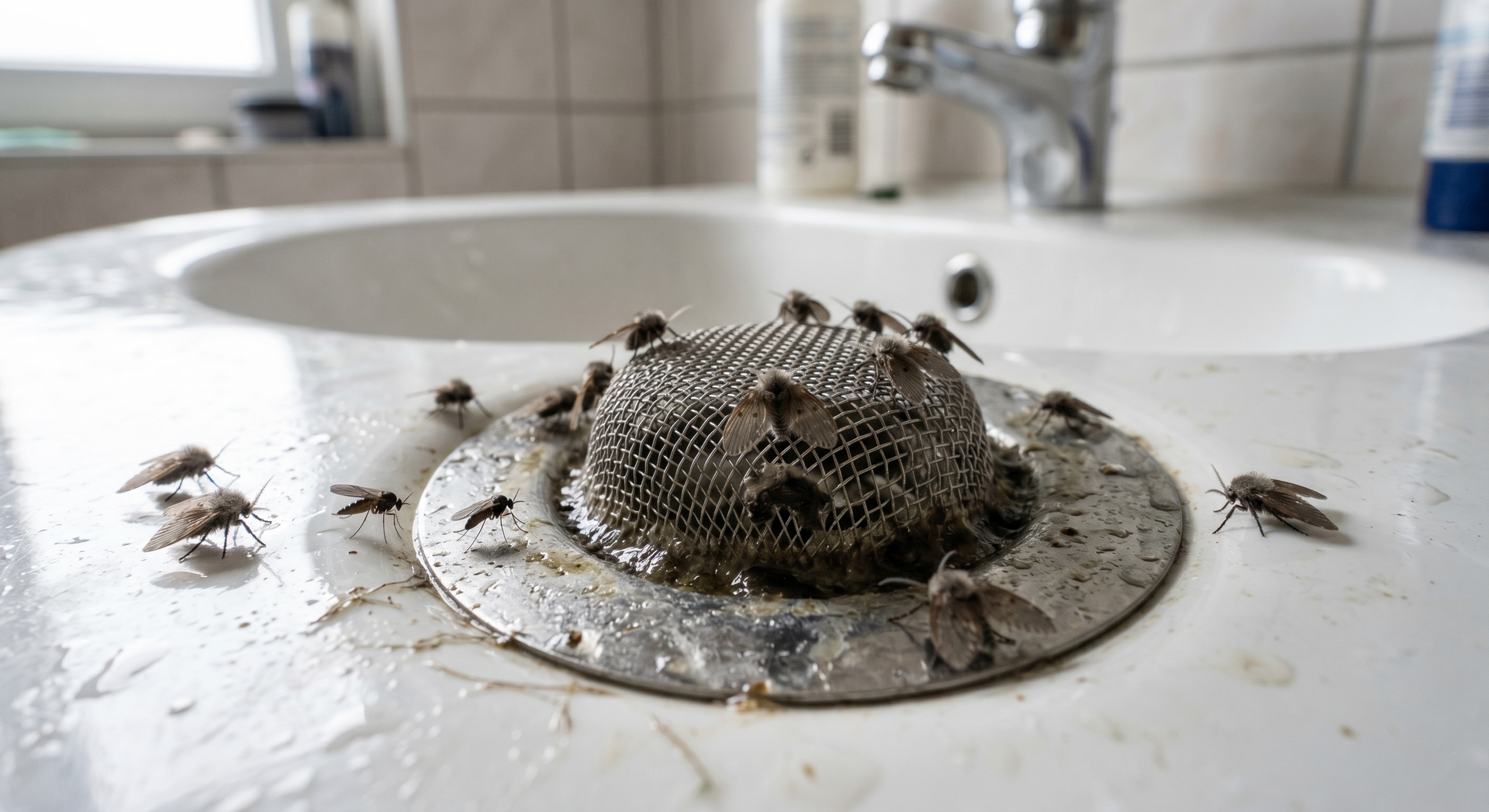
A sink drain covered with a cluster of gnats and dead insects, with more flies on the countertop.
June 5, 2026
Seeing drain flies or gnats in your Rochester home? Learn why they appear, where they breed, and how professional pest control helps eliminate them for good today!!