
Protecting Your Basement from Rodents, Insects, and Moisture Pests in Rochester

August 26, 2026
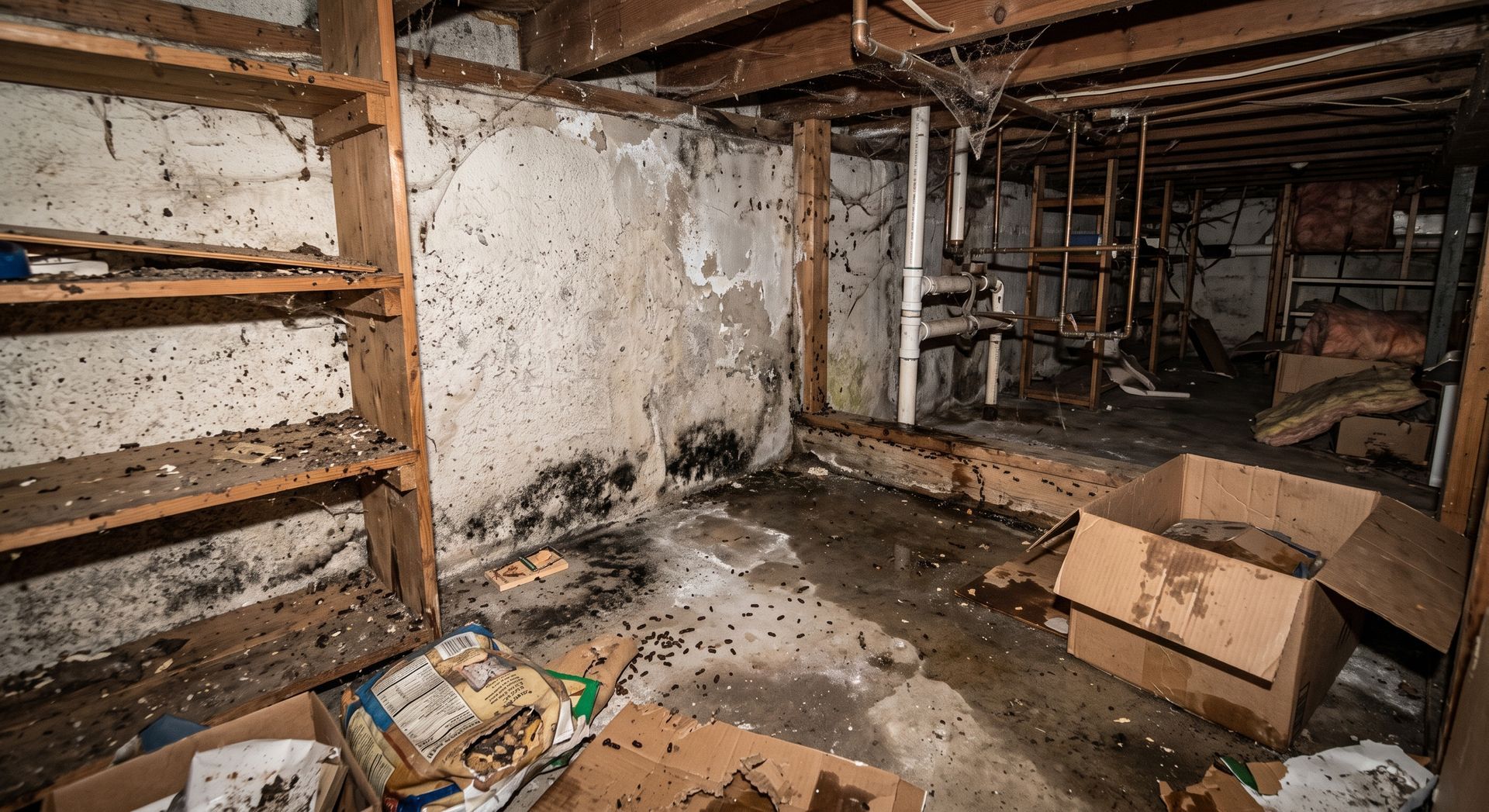
Basement crawlspace with exposed beams, peeling white walls, boxes, and scattered debris on the floor

Your basement may be one of the most overlooked areas of your home, but for pests, it can be one of the most attractive. Basements provide everything many insects and rodents need to survive: darkness, warmth during the winter, cooler temperatures during the summer, moisture, and plenty of hiding places. Whether your basement is finished or unfinished, it can become an ideal environment for unwanted pests if preventative measures are not in place.

Throughout Rochester and Monroe County, basements are especially vulnerable because of the region's changing weather, older housing stock, and seasonal moisture. Heavy spring rains, humid summers, and freezing winters all contribute to conditions that allow pests to thrive below ground level.

Many infestations begin in the basement before spreading throughout the rest of the home. Mice may establish nests behind insulation, spiders build webs in quiet corners, and insects take advantage of damp conditions around foundation walls and plumbing fixtures. By the time pests become visible upstairs, they may have already been living in the basement for weeks or even months.

Understanding what attracts pests to basements and taking preventive action can help protect your home, your belongings, and your family's comfort throughout the year.

Why Basements Attract Pests

Unlike the main living areas of a home, basements are generally quieter and receive far less daily activity. These low-traffic spaces provide ideal shelter for many pests that prefer dark, undisturbed environments.

Basements often contain exposed plumbing, utility lines, storage boxes, insulation, and unfinished framing. Small gaps around these features provide excellent hiding places for insects and rodents.

Moisture is another major factor.

Basements naturally remain cooler than the rest of the home, and humidity levels are often higher, particularly during Rochester's spring and summer months. Water seepage, condensation on pipes, foundation cracks, and poor ventilation all contribute to an environment that supports pest activity.

Even homes with well-maintained basements can develop moisture issues that go unnoticed until pests begin appearing.

Common Basement Pests in Rochester

Several different pests are commonly found in Rochester basements.

Mice are among the most frequent invaders. They enter through tiny openings in foundations, utility penetrations, or gaps beneath exterior doors before establishing nests inside wall voids or storage areas.

Spiders are also common because basements provide abundant insect prey. Cellar spiders, house spiders, and wolf spiders are frequently found in unfinished areas.

Silverfish thrive in damp conditions and are often discovered beneath stored boxes, near laundry rooms, or inside utility closets. These insects feed on paper products, cardboard, glue, and fabrics.

Carpenter ants may establish colonies inside damp structural wood if moisture problems develop around the foundation or basement windows.

Centipedes are another common sight. Although they feed on other insects and can actually help reduce certain pest populations, their appearance often startles homeowners.

Cockroaches, drain flies, and occasional invaders such as earwigs may also appear in basements where moisture and food sources are available.

Moisture Is the Biggest Risk Factor

Many basement pest problems begin with excess moisture.

Water enters basements in several ways.

Heavy rainfall may overwhelm drainage systems.

Poor grading around the home allows water to collect near the foundation.

Leaking plumbing creates continuous moisture.

Condensation forms on cold water pipes during humid weather.

Basement windows and window wells may also allow water intrusion during storms.

Even if standing water is not visible, elevated humidity alone can encourage pest activity.

Running a dehumidifier during humid months can significantly reduce conditions that support insects like silverfish, carpenter ants, and drain flies.

Maintaining humidity below approximately fifty percent creates a much less inviting environment for many pests.

Foundation Cracks and Entry Points

Many homeowners are surprised by how pests gain access to basements.

Small cracks in concrete foundations are often enough for ants and spiders to enter.

Rodents require only very small openings to squeeze through.

Common entry points include:

  • Utility pipe penetrations
  • Cable and internet line openings
  • Basement window frames
  • Foundation settlement cracks
  • Floor drains
  • Garage connections
  • Dryer vents

Regularly inspecting these areas helps identify vulnerabilities before pests take advantage of them.

Professional-grade sealants and appropriate repair materials can significantly reduce pest entry.

Basement Storage Can Invite Pests

The way homeowners store belongings can have a major impact on pest activity.

Cardboard boxes provide excellent nesting material for mice and hiding places for insects.

Paper products stored directly on basement floors absorb moisture, attracting silverfish and other pests.

Instead, use durable plastic storage containers with tightly fitting lids.

Keep stored items elevated on shelving whenever possible.

Avoid creating cluttered corners where pests can remain undisturbed for long periods.

Periodic cleaning also makes it easier to identify early signs of infestation.

Plumbing Fixtures Need Regular Attention

Basements often contain multiple plumbing fixtures that receive little use.

Floor drains, utility sinks, sump pits, and washing machine connections can all become pest hotspots if not properly maintained.

Dry floor drains may allow sewer gases and insects to enter.

Slow leaks around water heaters or utility sinks create constant moisture.

Checking plumbing regularly helps prevent both water damage and pest activity.

Protecting Finished Basements

Finished basements may appear less vulnerable, but pests often remain hidden behind walls and ceilings.

Homeowners should watch for subtle warning signs including:

  • Scratching sounds inside walls
  • Musty odors
  • Small droppings
  • Damaged insulation
  • Gnaw marks near baseboards
  • Insect activity around windows

Because finished basements conceal structural components, regular inspections become even more important.

Landscaping Influences Basement Pest Problems

Outdoor conditions directly affect basement pest activity.

Mulch placed against the foundation retains moisture.

Overgrown shrubs provide shelter for insects.

Poor drainage increases hydrostatic pressure against foundation walls.

Firewood stacked near basement windows attracts insects and rodents.

Maintaining proper landscaping reduces pest pressure before insects ever reach the foundation.

Seasonal Basement Pest Concerns

Each season presents different challenges.

Spring often brings ants and moisture-related insects after snowmelt and heavy rainfall.

Summer humidity increases silverfish, spiders, and drain fly activity.

Fall is peak season for mice seeking winter shelter.

Winter keeps rodents active inside while many outdoor insects remain dormant.

Because pest activity changes throughout the year, regular inspections should be part of every homeowner's maintenance routine.

Why DIY Basement Pest Control Often Falls Short

Many homeowners rely on sprays or traps after seeing pests.

Unfortunately, visible pests are often only a small part of the problem.

Treating individual insects does not address:

  • Hidden nesting sites
  • Moisture conditions
  • Structural entry points
  • Reproduction cycles

Likewise, catching one mouse rarely eliminates the entire population.

Long-term protection requires identifying why pests entered in the first place and correcting those conditions.

The Benefits of Professional Basement Inspections

Professional inspections provide a more complete picture of basement conditions.

Experienced technicians evaluate:

  • Moisture levels
  • Rodent entry points
  • Foundation vulnerabilities
  • Insect activity
  • Evidence of wildlife
  • Structural concerns that may contribute to infestations

Early identification allows homeowners to address small issues before they become larger and more expensive problems.

Preventive inspections are particularly valuable for older Rochester homes, where aging foundations and utility penetrations may create additional opportunities for pests.

Frequently Asked Questions

Why do I keep seeing spiders in my basement?

Spiders are usually attracted by the presence of other insects. Reducing insect activity, improving moisture control, and sealing entry points can significantly decrease spider populations.

Can mice live in finished basements?

Yes. Mice frequently nest behind finished walls, above suspended ceilings, and inside insulation where they remain hidden for long periods.

Should I be concerned about moisture even if I don't see standing water?

Absolutely. High humidity alone is enough to encourage many common basement pests. Managing moisture is one of the most effective preventive measures homeowners can take.

Keep Your Basement Protected Throughout the Year

A clean, dry, and well-maintained basement is one of the strongest defenses against pest infestations. By controlling moisture, reducing clutter, sealing entry points, and scheduling regular inspections, homeowners can greatly reduce the likelihood of rodents and insects becoming established.

RPM Pest Control Management LLC proudly helps homeowners throughout Rochester and Monroe County protect every part of their property, including basements, crawl spaces, garages, attics, and living areas. Our experienced technicians provide thorough inspections and customized treatment plans designed to address both current infestations and long-term prevention.

To schedule a basement inspection or learn more about our residential pest control services, call (585) 301-5811 or visit https://rayspropertymaintpestcontrol.net/contact/.

RECENT POSTS

Rain-soaked wooden deck railing with a wet yard and house under dark cloudy sky after a storm
August 11, 2026
Learn how Rochester's changing weather affects pest activity throughout the year and learn to protect your house during every season with expert pest control advice.

Messy kitchen counter with spilled cereal, bowls, and trash can overflowing with food scraps
July 27, 2026
Discover the most common mistakes that attract pests to Rochester homes and learn how to prevent infestations with expert tips from RPM Pest Control today.

Man kneeling by a house spray-treating the lawn with a yellow garden sprayer
July 10, 2026
Prepare your Rochester for spring with complete pest prevention checklist. Learn how to stop ants, rodents, termites, mosquitoes, and more before infestations begin.

Spilled cereal from a paper bag on a wooden pantry shelf beside jars labeled organic penne and cereal.
June 22, 2026
Finding silverfish or pantry pests in your Rochester home? Learn what attracts them, the damage they cause and how professional pest control helps today. Nearby now.
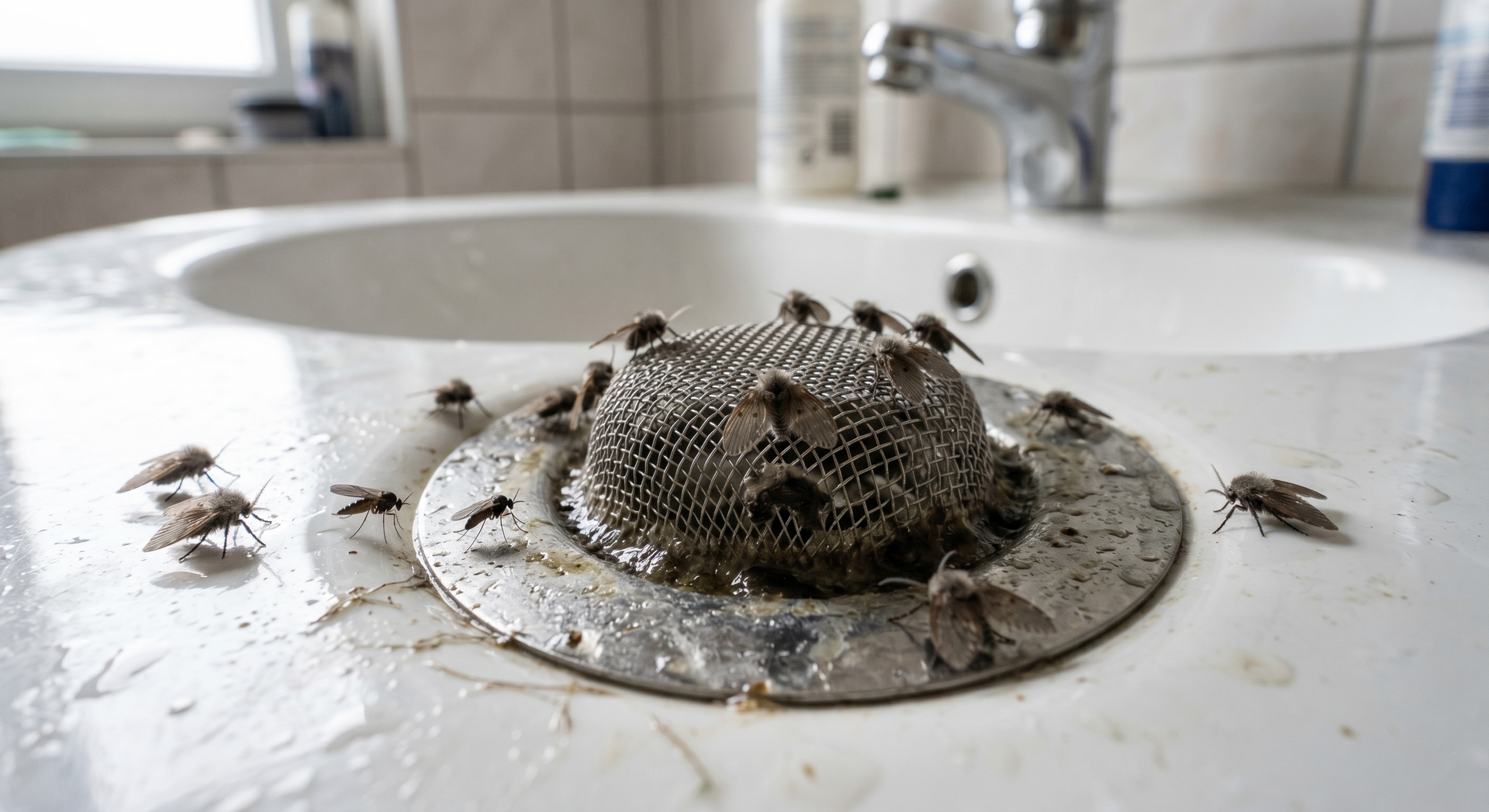
A sink drain covered with a cluster of gnats and dead insects, with more flies on the countertop.
June 5, 2026
Seeing drain flies or gnats in your Rochester home? Learn why they appear, where they breed, and how professional pest control helps eliminate them for good today!!
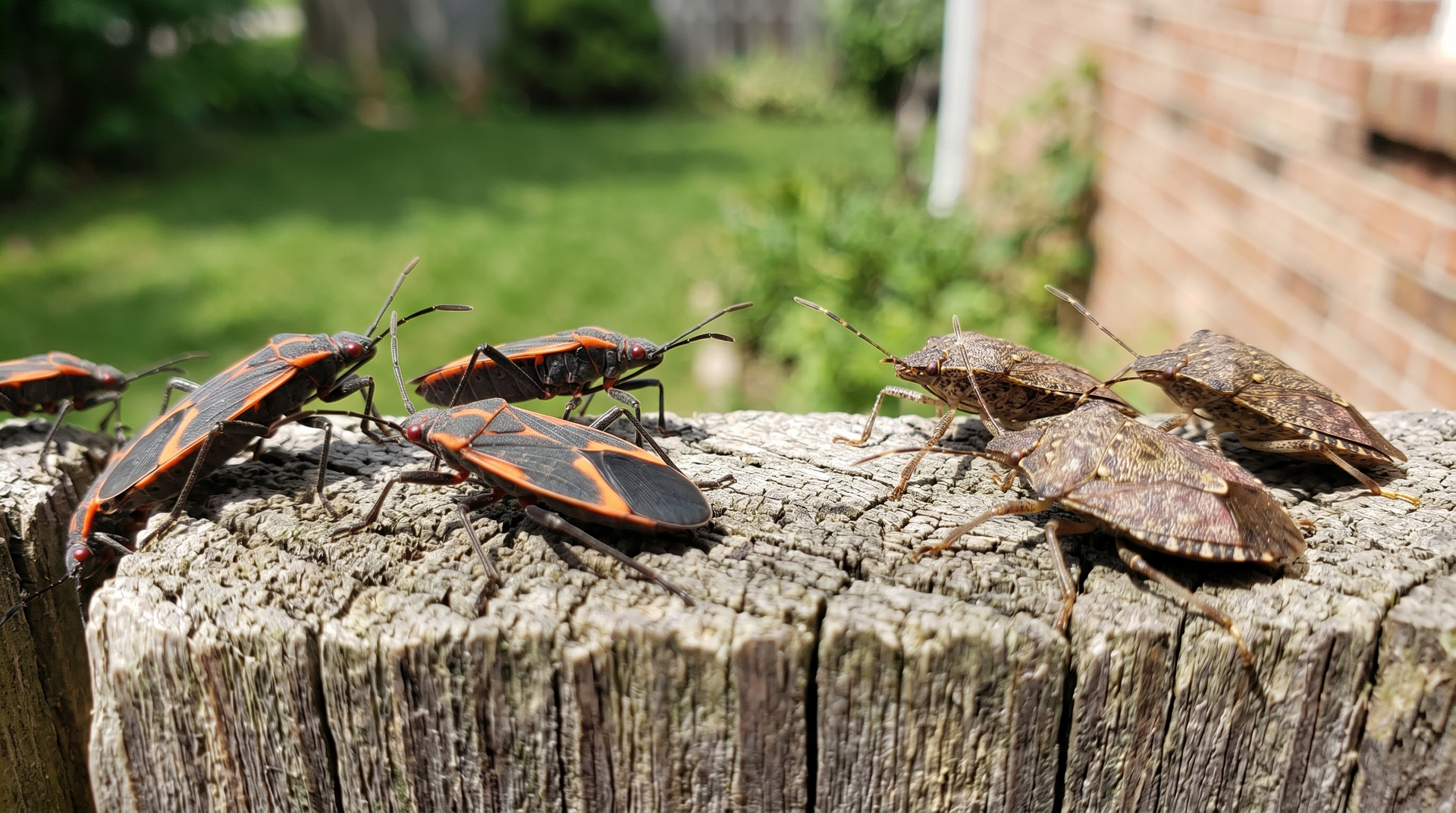
Orange-and-black bugs clustered on a weathered tree stump outdoors
May 21, 2026
Seeing boxelder bugs or stink bugs in your Rochester home? Learn why they invade, how to prevent them, and when professional pest control can help today this fall.!!
Person in white protective suit fogging a warehouse aisle with pesticide or disinfectant.
May 6, 2026
Pests change with the seasons in Rochester. Learn how to prevent ants, rodents, insects, and wildlife year-round with smart, effective pest control strategies today.
Wasps building a hexagonal nest beneath a metal pipe
April 21, 2026
Dealing with wasps or hornets in Rochester? Learn how nests form, why DIY removal is risky, and how professional control keeps your home safe and pest-free.
A worker in a hard hat and gloves uses a tool to spray into holes in a wooden structure to treat for carpenter bees.
April 6, 2026
Seeing carpenter bees around your home in Rochester? Learn how they damage wood, why DIY solutions fail, and how professional control helps prevent costly repairs.