The Importance of Regular Pest Inspections for Older Rochester Homes

Rochester is home to thousands of beautiful older houses that showcase remarkable craftsmanship and architectural character. From historic neighborhoods with century-old homes to charming mid-century properties throughout Monroe County, these homes offer unique appeal that many homeowners appreciate. However, older homes also come with challenges that newer construction often avoids, particularly when it comes to pest control.
As homes age, natural settling, weather exposure, and years of wear create opportunities for insects, rodents, and wildlife to enter. Small cracks in foundations, aging wood, deteriorating weather seals, and outdated building materials all make older homes more vulnerable to infestations.
While routine maintenance helps preserve an older home's value, many homeowners overlook one of the most important preventive measures: regular pest inspections.
Professional inspections identify developing problems before they become expensive infestations, helping protect both the structure of the home and the health of the people living inside it. Whether your home was built in the early 1900s or several decades ago, understanding the value of regular inspections can save considerable time, money, and frustration.
Why Older Homes Are More Vulnerable to Pests
Every home changes over time.
Foundations settle.
Wood expands and contracts through countless seasonal temperature changes.
Roofing materials age.
Mortar joints slowly deteriorate.
Weather stripping becomes brittle.
Each of these changes creates new opportunities for pests.
Tiny foundation cracks that were once insignificant can eventually allow ants, spiders, and even mice to enter.
Gaps around windows and doors become larger with repeated freeze-thaw cycles, while aging siding may separate enough to create hidden access points.
Unlike modern homes that often include newer construction materials and tighter building envelopes, older homes frequently contain numerous hidden entry points that develop gradually over many years.
Many homeowners never notice these changes until pests have already moved in.
Rochester's Climate Accelerates Home Aging
Western New York experiences significant seasonal weather changes.
Snow, ice, rain, humidity, and temperature swings all place stress on residential structures.
During winter, water freezes inside tiny cracks, causing them to expand.
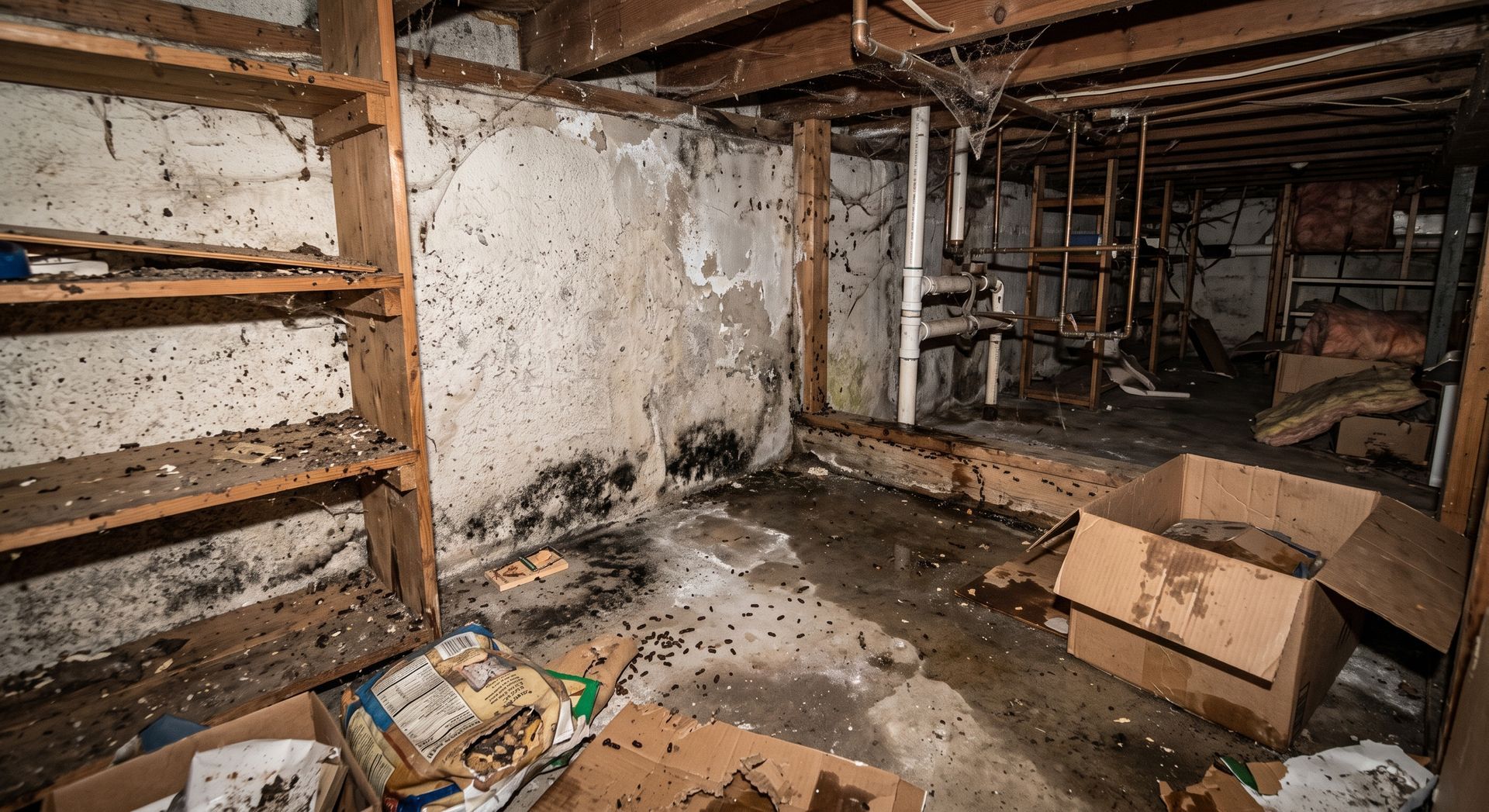
Spring rains introduce moisture into basements and crawl spaces.
Summer humidity encourages wood expansion and moisture accumulation.
Autumn prepares rodents and wildlife to seek warm shelter indoors.
This constant weather cycle slowly increases a home's vulnerability to pests.
Homes that have stood for decades naturally require more attention than newer construction to maintain their resistance to insects and rodents.
Common Pest Problems Found in Older Homes
Although virtually any pest can invade an older home, several are particularly common throughout Rochester.
Mice frequently enter through foundation cracks, utility penetrations, or aging door seals.
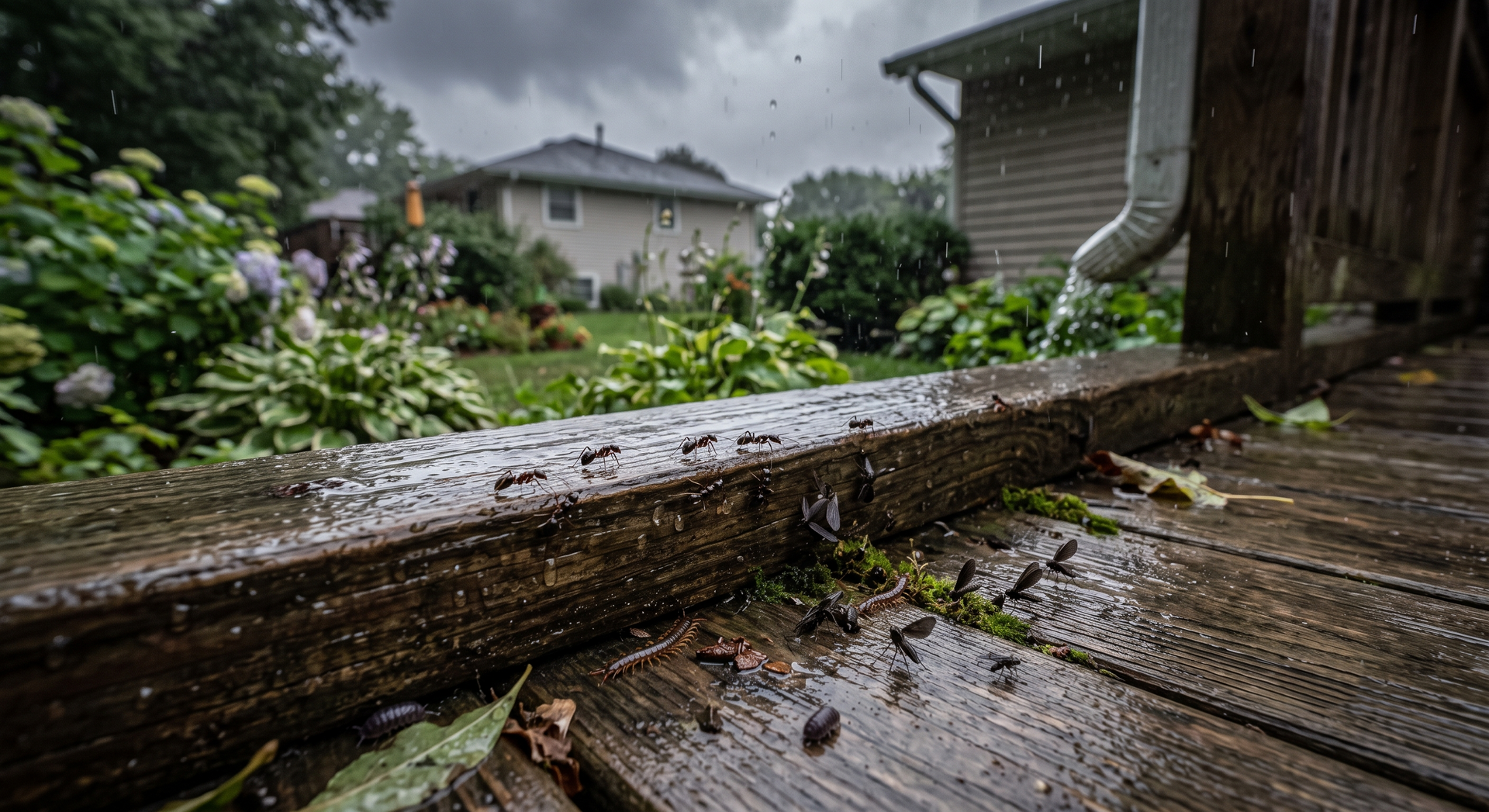
Carpenter ants often target older homes with moisture-damaged wood, particularly around windows, rooflines, and basements.
Spiders establish webs in undisturbed attics, crawl spaces, and basements where insect populations remain steady.
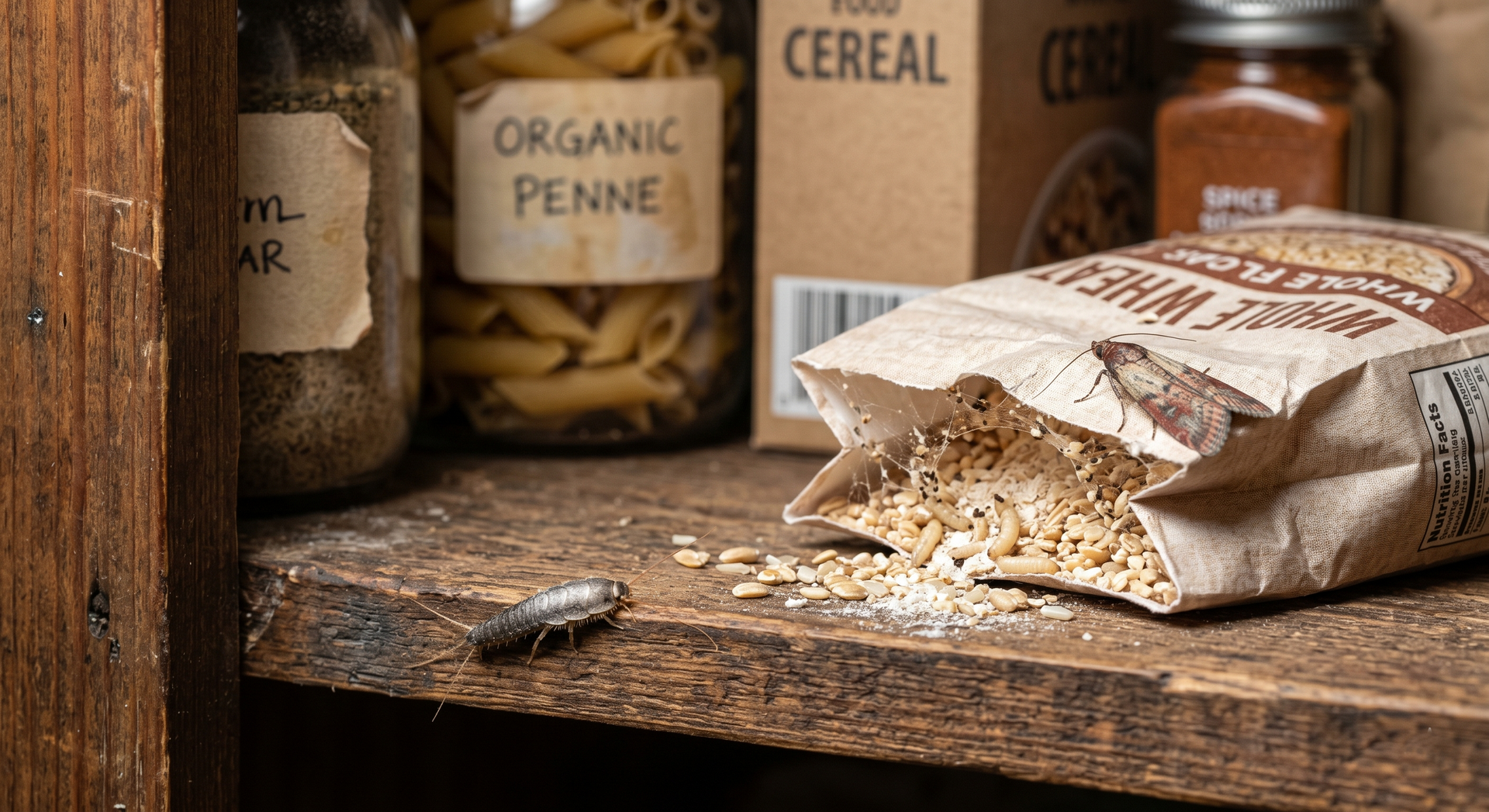
Silverfish thrive in damp basements and utility rooms where humidity remains elevated.
Cockroaches sometimes establish populations in older plumbing systems or areas where moisture is consistently present.
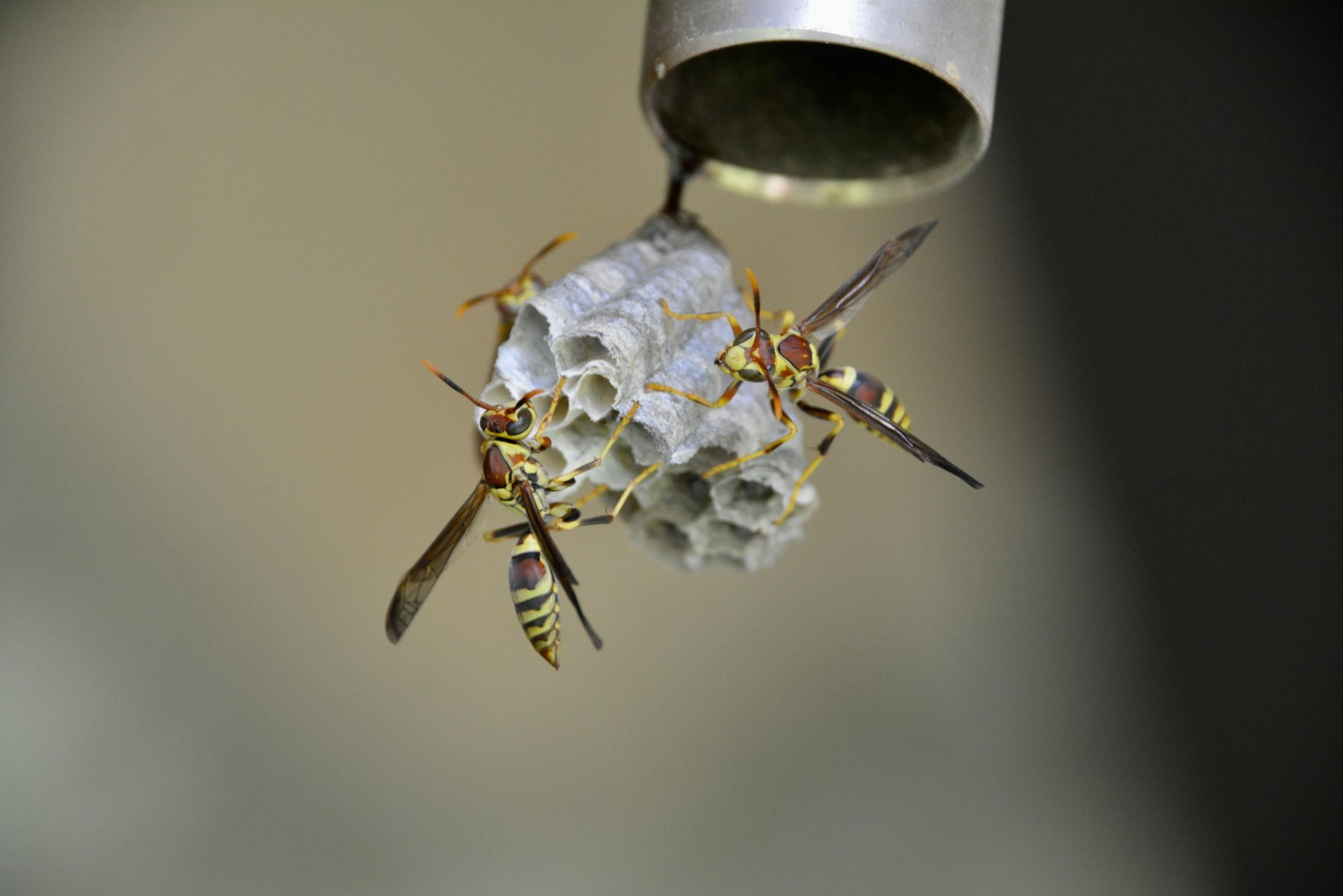
Wasps may build nests inside wall voids or beneath aging roof overhangs.
Wildlife such as squirrels, raccoons, and bats often exploit deteriorating rooflines, soffits, or attic vents.
Because many of these pests remain hidden, homeowners frequently remain unaware of infestations until significant damage has already occurred.
Small Problems Can Become Large Repairs
One of the greatest advantages of regular inspections is early detection.
A technician may identify:
- Minor rodent activity before extensive nesting develops.
- Carpenter ant damage before structural wood is compromised.
- Moisture conditions that could eventually attract termites or carpenter ants.
- Wasp nests while they remain small.
- Wildlife entry points before animals establish breeding sites.
Early intervention almost always costs less than repairing damage after pests become established.
For example, replacing a section of weather stripping is considerably less expensive than repairing walls damaged by rodents that entered through that opening.
Likewise, correcting a minor plumbing leak today may prevent carpenter ant infestations and costly wood replacement later.
Hidden Areas Need Professional Attention
Many pest problems begin in areas homeowners rarely inspect.
Attics.
Crawl spaces.
Wall voids.
Basement utility rooms.
Behind insulation.
Rooflines.
Garage rafters.
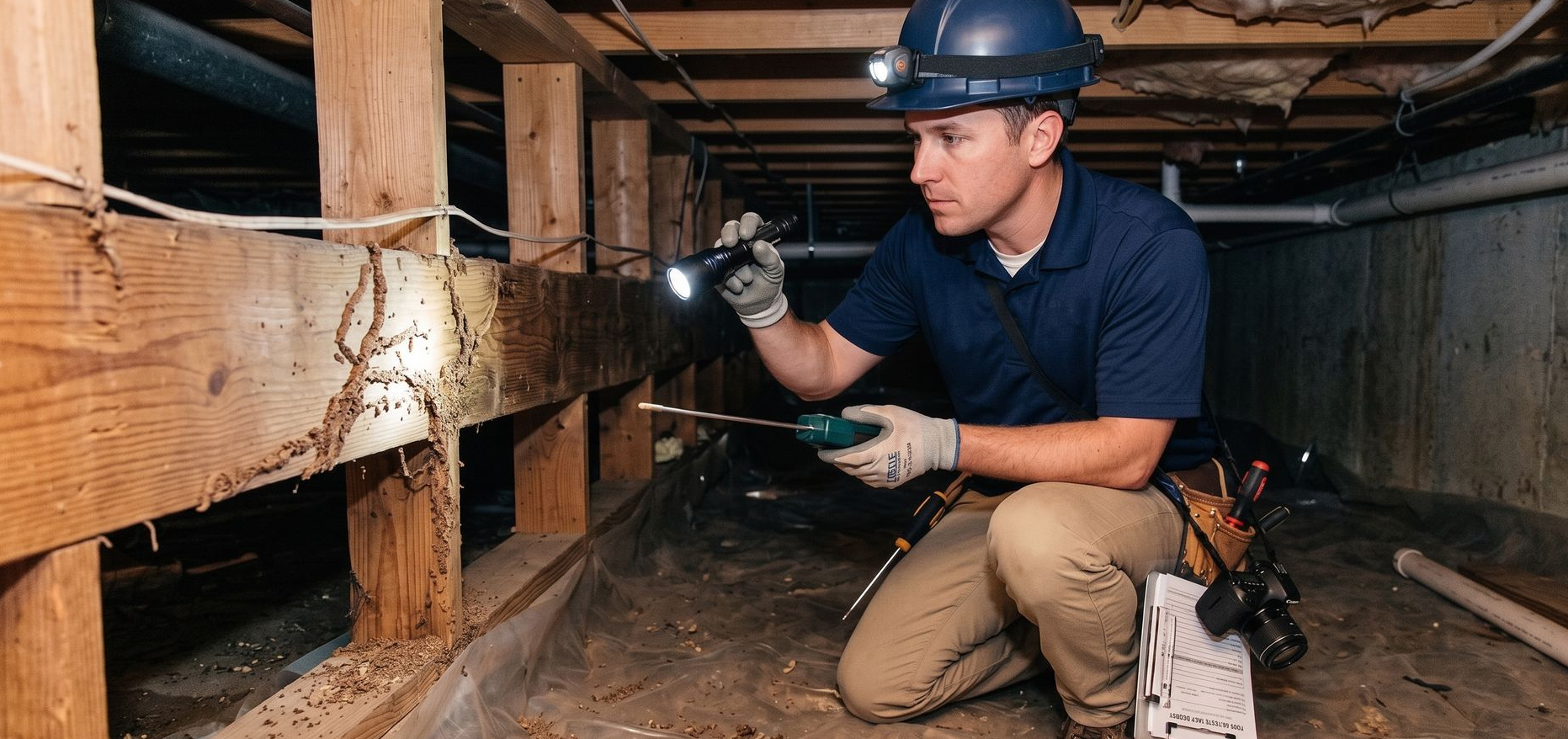
Professional inspectors know where pests typically hide and understand the subtle signs that indicate developing activity.
Small droppings, chew marks, insect wings, nesting material, moisture stains, and wood damage often reveal problems long before homeowners notice visible pests.
These hidden inspections are one of the biggest advantages of professional service.
Older Homes Often Have Multiple Entry Points
Unlike newer homes built to current construction standards, older homes frequently have dozens of potential entry points.
These include:
- Utility pipe penetrations
- Aging basement windows
- Loose mortar joints
- Roof flashing gaps
- Chimney openings
- Damaged soffits
- Foundation cracks
- Worn garage door seals
- Dryer vent openings
During an inspection, technicians evaluate the entire exterior to identify vulnerabilities that should be repaired.
Reducing entry points is one of the most effective long-term pest prevention strategies.
Moisture Inspections Are Equally Important
Moisture and pests often go hand in hand.
Many insects require damp environments to survive.
Older homes may develop moisture problems due to:
- Aging plumbing
- Poor drainage
- Foundation seepage
- Condensation
- Roof leaks
- Inadequate ventilation
Professional inspections evaluate conditions that encourage pest activity rather than simply looking for insects.
Correcting moisture issues often prevents future infestations without extensive treatment.
Historic Homes Require Specialized Care
Many Rochester neighborhoods feature historic homes that require careful maintenance.
These properties often contain original woodwork, plaster walls, and architectural details that homeowners want to preserve.
Aggressive pest infestations can threaten these valuable features.
Carpenter ants may damage original framing.
Rodents chew historic woodwork.
Moisture pests contribute to wood decay.
Professional inspections help identify risks while protecting the unique character of older homes.
Seasonal Inspections Provide Year-Round Protection
Pest activity changes throughout the year.
Spring inspections identify carpenter bees, ants, and moisture-related concerns.
Summer inspections focus on mosquitoes, wasps, and outdoor pest pressures.
Fall inspections prepare homes for rodent season.
Winter inspections identify indoor activity that developed after temperatures dropped.
Scheduling inspections throughout the year provides continuous protection and allows homeowners to stay ahead of changing pest conditions.
What Happens During a Professional Pest Inspection?
A comprehensive inspection typically includes both interior and exterior evaluations.
Technicians examine:
- Foundations
- Rooflines
- Gutters
- Attics
- Basements
- Crawl spaces
- Garages
- Utility penetrations
- Window and door seals
- Landscaping near the home
Evidence of current or previous pest activity is documented.
Potential risk factors are identified.
Homeowners receive recommendations for repairs, prevention, and treatment if necessary.
The goal is not simply to eliminate existing pests but to reduce the likelihood of future infestations.
Why Preventive Inspections Save Money
Some homeowners wait until they see pests before contacting a professional.
Unfortunately, by that point, infestations may already be well established.
Preventive inspections help avoid expenses associated with:
- Structural repairs
- Electrical damage caused by rodents
- Contaminated insulation
- Wildlife cleanup
- Extensive insect treatments
- Food contamination
Protecting your home before significant damage occurs is almost always the most cost-effective approach.
Frequently Asked Questions
How often should older homes be inspected for pests?
Most older homes benefit from annual inspections. Homes with previous infestations, moisture issues, or wooded surroundings may benefit from inspections twice each year.
Can pest inspections identify moisture problems?
Yes. Moisture conditions frequently contribute to pest activity, and experienced inspectors look for leaks, condensation, drainage concerns, and humidity issues.
Is a pest inspection worthwhile even if I haven't seen insects?
Absolutely. Many pests remain hidden for long periods. Inspections are designed to detect early warning signs before infestations become obvious.
Protect Your Investment with Regular Inspections
Older homes deserve proactive care. Their craftsmanship and history make them valuable, but their age also creates opportunities for pests that newer homes may not face. Regular pest inspections help identify small concerns before they become major repairs, protecting both your investment and your family's comfort.
RPM Pest Control Management LLC proudly provides comprehensive pest inspections and customized pest management services throughout Rochester and Monroe County. Whether you own a historic home, a mid-century property, or an older family residence, our experienced technicians understand the unique challenges these homes present and work to keep them protected throughout every season.
To schedule a professional pest inspection or learn more about our residential pest control services, call
(585) 301-5811 or visit
https://www.rpmpestcontrolmanagement.com/contact
RECENT POSTS