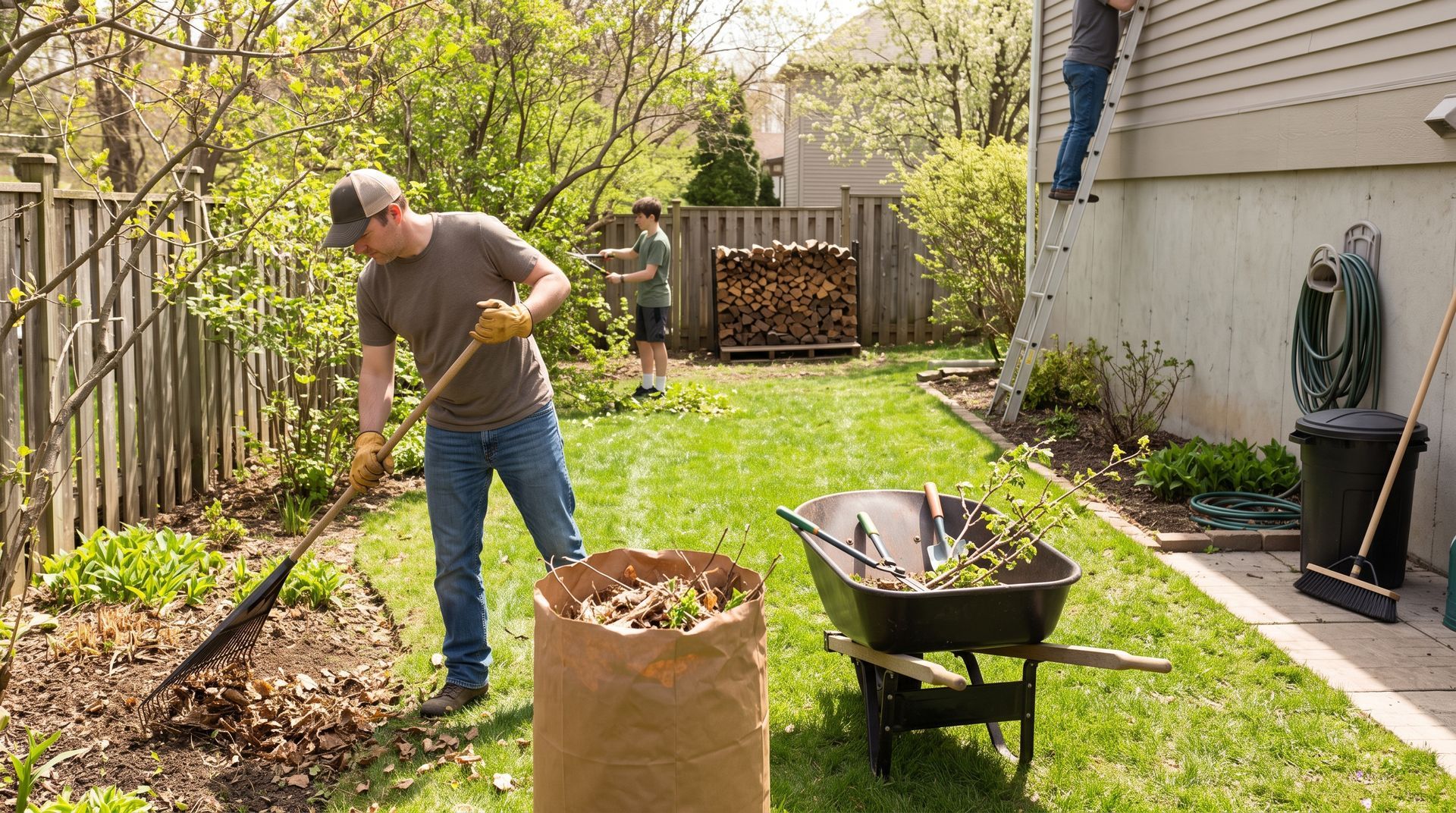
Boxelder Bugs and Stink Bugs in Rochester Homes: Why They Invade and How to Stop Them
Boxelder & Stink Bug Control Rochester NY

If you’ve ever noticed clusters of bugs gathering on sunny exterior walls or suddenly appearing inside your home as temperatures drop, you’re not alone. Boxelder bugs and stink bugs are among the most common nuisance pests reported by homeowners in Rochester and across Monroe County, especially during fall and early winter.
While these pests do not bite, sting, or cause structural damage, they can be incredibly frustrating. Large numbers may invade homes, crawl across walls, gather near windows, and emit unpleasant odors when disturbed. Many homeowners are caught off guard by how quickly these insects appear and how difficult they are to remove once they get inside.
This guide explains why boxelder bugs and stink bugs invade Rochester homes, the conditions that attract them, why DIY solutions often fall short, and how professional pest control helps prevent repeat invasions year after year.
Why Boxelder Bugs and Stink Bugs Are So Common in Rochester
Both boxelder bugs and stink bugs are strongly influenced by seasonal changes. Rochester’s climate, with warm summers and cold winters, creates ideal conditions for these pests to seek shelter indoors when temperatures drop.
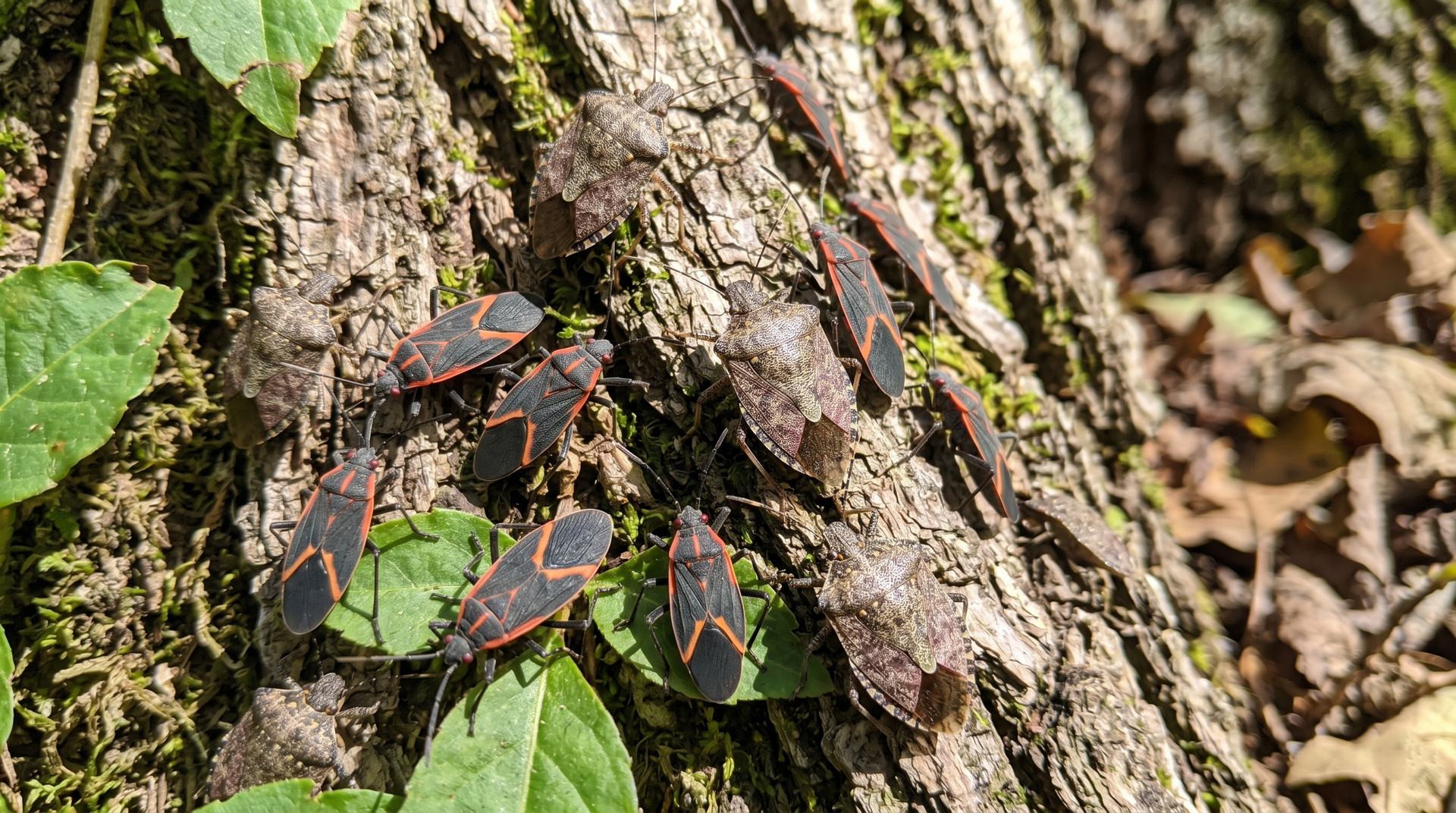
Boxelder bugs feed primarily on boxelder trees, maple trees, and ash trees. Homes near wooded areas or neighborhoods with mature landscaping are especially prone to infestations. As fall approaches, boxelder bugs congregate on warm, sunlit surfaces—often south- or west-facing walls—before searching for cracks and gaps to enter homes.
Stink bugs behave similarly. As daylight shortens and temperatures cool, they actively seek warm places to overwinter. Homes provide ideal shelter, particularly attics, wall voids, and areas around windows and doors.
Once inside, these pests remain largely inactive during winter but may emerge on warm days or whenever indoor heating raises temperatures.
How These Pests Get Inside Homes
One of the most frustrating aspects of boxelder bugs and stink bugs is how easily they enter homes. Even small openings are enough.
Common entry points include gaps around windows and doors, damaged screens, cracks in siding, and unsealed utility penetrations. Attics and rooflines are also frequent access points, especially where vents or soffits are damaged or poorly sealed.
Because these insects are attracted to warmth, they often enter on sunny afternoons, slipping inside unnoticed. Once indoors, they gather in quiet areas and may emerge suddenly, giving the impression that they appeared overnight.
Why Boxelder Bugs and Stink Bugs Are So Hard to Eliminate
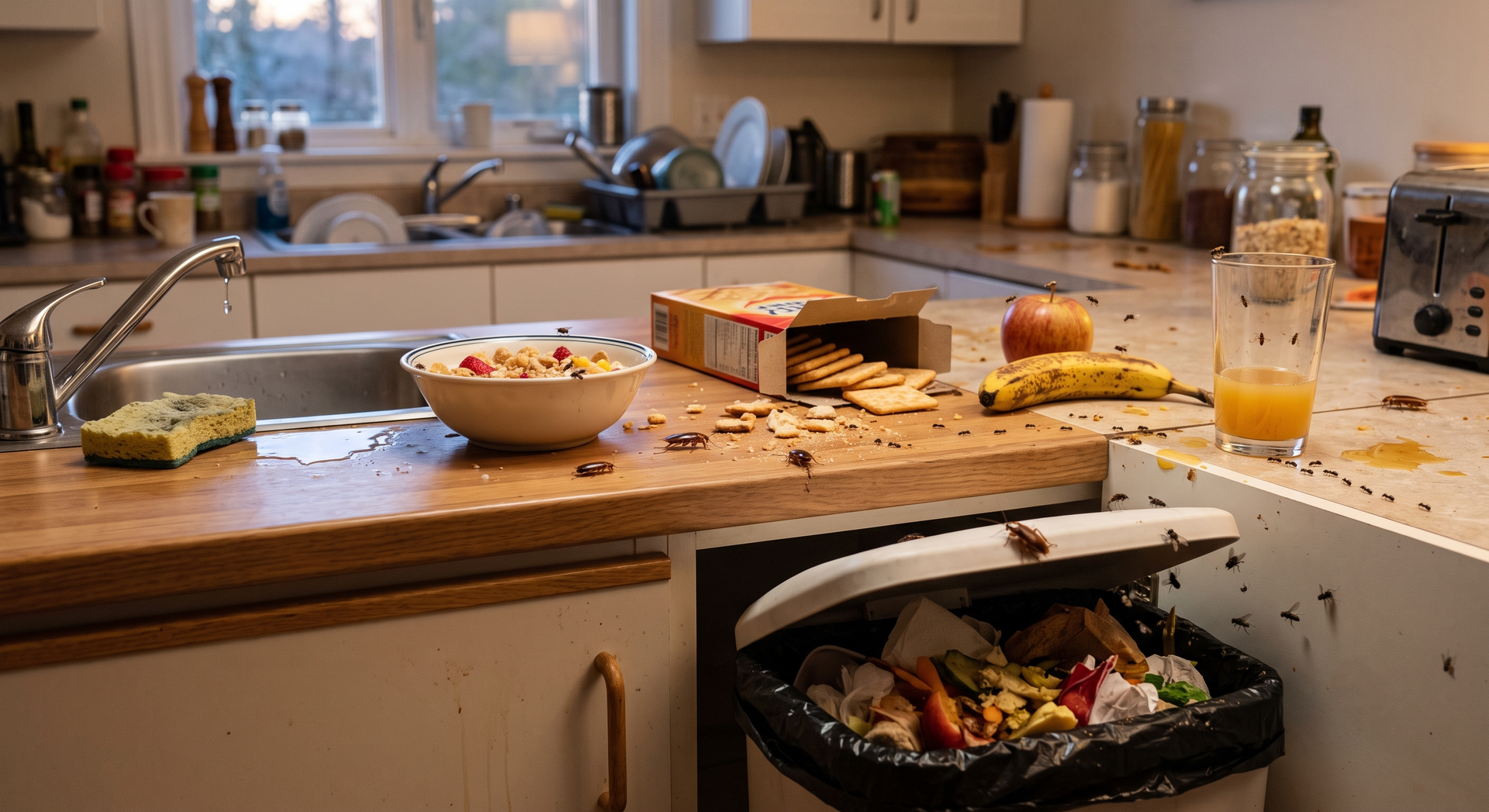
Unlike ants or roaches, boxelder bugs and stink bugs are not attracted to food scraps or moisture inside the home. They are seasonal invaders, not indoor breeders. This makes control challenging because killing individual insects does not address the source of the problem.
Vacuuming or spraying visible bugs may provide temporary relief, but more insects will continue to enter if entry points remain open. Crushing stink bugs releases an unpleasant odor that can linger and even attract more stink bugs.
Once these pests overwinter inside walls or attics, they can remain hidden for months. As temperatures fluctuate, they may emerge repeatedly, leading homeowners to believe the infestation is ongoing even when it is seasonal.
The Impact on Home Comfort and Cleanliness
Although boxelder bugs and stink bugs do not cause structural damage, their presence can significantly reduce comfort. Large numbers crawling on walls, ceilings, or windows can be unsettling.
Stink bugs emit a strong odor when handled or crushed, which can linger on surfaces and fabrics. Boxelder bugs may stain walls or curtains if crushed.
Repeated invasions can make homeowners feel frustrated and helpless, especially when DIY methods fail to provide lasting results.
Why DIY Control Methods Often Fail
Many homeowners attempt to manage these pests with sprays, bug bombs, or household remedies. While sprays may kill bugs on contact, they rarely prevent new ones from entering.
Bug bombs and foggers are ineffective because these pests hide inside walls and attics, where products cannot reach. Sealing entry points without addressing exterior activity may trap insects inside, leading to increased sightings.
DIY efforts also often overlook exterior treatment, which is the most critical component of prevention.
Without a comprehensive approach, infestations repeat every fall.
How Professional Control Addresses the Root of the Problem
Professional pest control focuses on prevention rather than repeated removal. The most effective strategy targets exterior surfaces and entry points before insects get inside.
Exterior perimeter treatments are applied to siding, foundations, window frames, doors, and rooflines where insects congregate. These treatments create a barrier that discourages pests from landing and entering the structure.
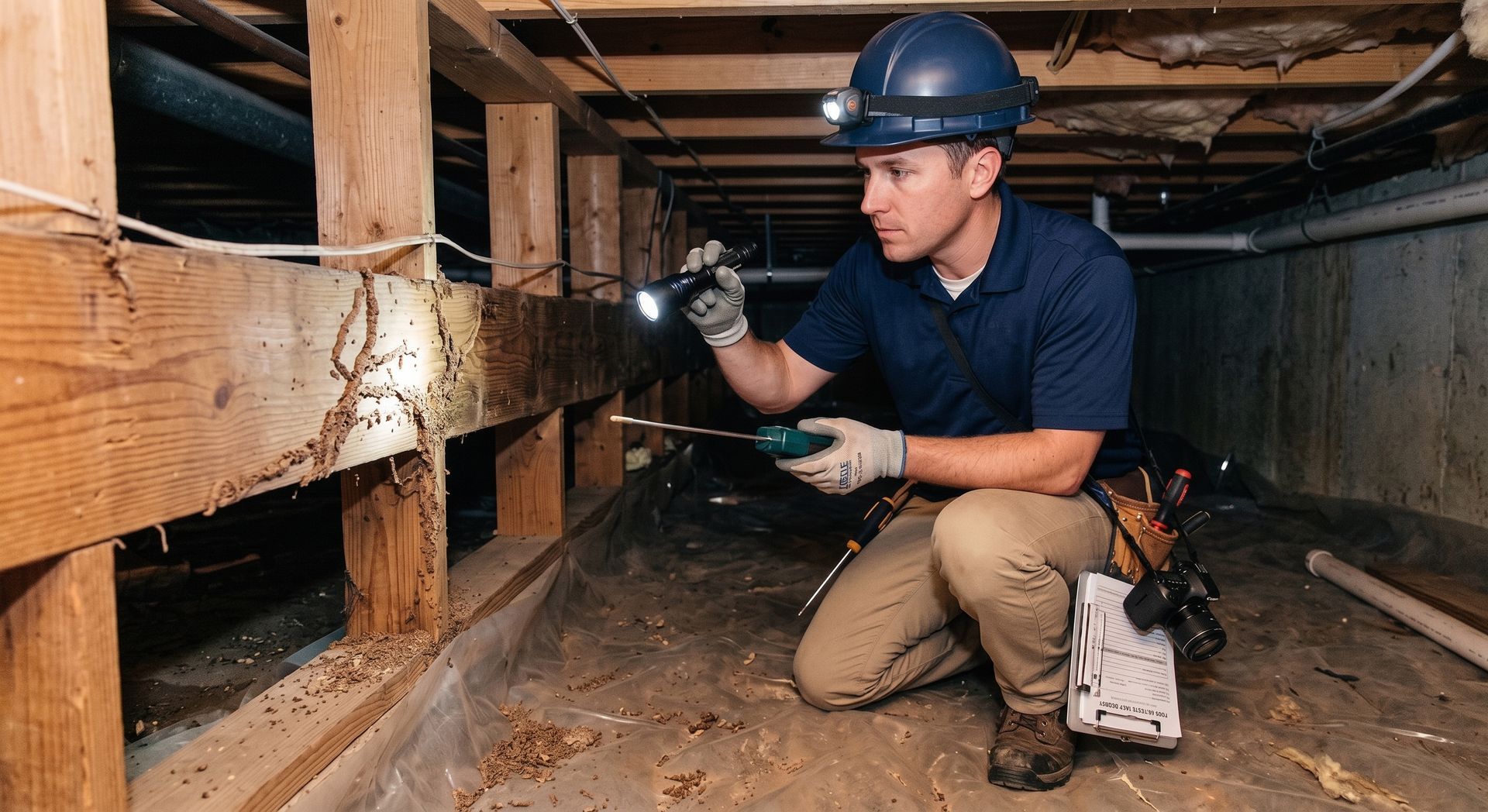
Professional inspections identify vulnerable areas such as gaps, cracks, and damaged seals. Recommendations are provided to improve exclusion and reduce future invasions.
In severe cases, attic or wall void treatments may be used to address overwintering insects already inside the structure.
The Role of Exclusion and Home Maintenance
Exclusion is the most important long-term solution for boxelder bug and stink bug problems. Sealing gaps, repairing screens, replacing damaged weather stripping, and caulking cracks significantly reduce entry opportunities.
Attic vents and soffits should be inspected regularly. Chimneys should be capped, and utility penetrations sealed with appropriate materials.
Homes that address these vulnerabilities experience fewer seasonal invasions and reduced reliance on repeated treatments.
Landscaping and Exterior Factors That Contribute
Outdoor conditions strongly influence infestation severity. Homes near boxelder or maple trees are more likely to experience boxelder bug problems. Removing fallen seeds and reducing clutter near foundations helps limit attraction.
Sun-exposed walls attract insects seeking warmth. While this cannot be eliminated entirely, treating these areas early in the season reduces congregation.
Keeping vegetation trimmed away from siding and foundations further reduces pest pressure.
When Professional Prevention Is Especially Important
Some homes experience recurring infestations year after year despite homeowner efforts. Older homes, properties near wooded areas, and houses with complex rooflines are especially vulnerable.
Professional prevention services are most effective when applied in late summer or early fall, before insects begin searching for overwintering sites. Early intervention stops invasions before they start.
FAQs
Are boxelder bugs and stink bugs harmful?
They are considered nuisance pests and do not bite or damage structures, but they can be extremely disruptive.
Why do they keep coming back every fall?
They are seasonal invaders attracted to warmth and shelter. Without prevention, the same conditions draw them back each year.
Can professional treatment stop them completely?
While no method can guarantee zero insects, professional prevention dramatically reduces activity and indoor invasions.
Final Thoughts
Boxelder bugs and stink bugs are a common but preventable problem for Rochester homeowners. Understanding why they invade, how they enter, and why DIY methods fail makes it easier to take effective action.
With proper exterior treatment, exclusion, and seasonal prevention, homeowners can greatly reduce these unwanted fall and winter invasions and enjoy a more comfortable home year-round.