
Termite Control in Rochester: How to Protect Your Home From Costly Structural Damage

March 5, 2026

Termite Control Rochester NY – Protect Your Home

Termites are one of the most destructive pests a homeowner can face, yet they often go unnoticed until serious damage has already occurred. Unlike ants or rodents, termites work silently, feeding on wood from the inside out and weakening structures over time. In Rochester and across Monroe County, termite activity may not be as visible year-round as in warmer states, but it is still a real and costly threat.

Many homeowners assume termites are only a concern in southern climates. In reality, termite infestations do occur in Upstate New York, especially in homes with moisture issues, wood-to-soil contact, or aging foundations. By the time visible signs appear, repairs can already be extensive.

This guide explains how termites affect Rochester homes, what warning signs to look for, why DIY solutions are ineffective, and how professional termite control protects your property and investment.

Why Termites Are a Serious Problem for Homeowners

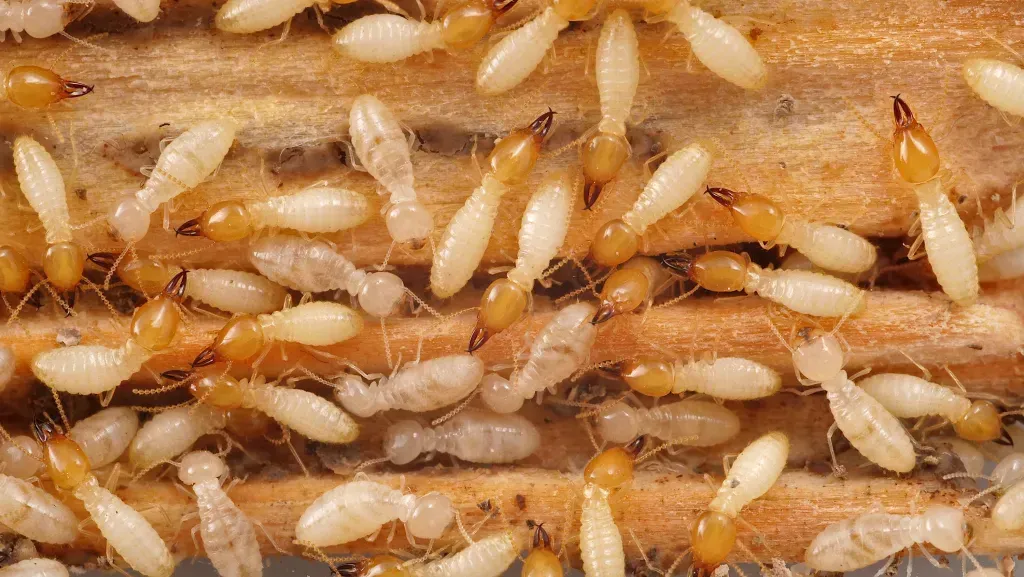
Termites feed on cellulose, the primary component of wood. This means framing, floor joists, beams, and even furniture can become food sources. Over time, termite damage compromises the structural integrity of a home, leading to sagging floors, warped walls, and costly repairs.

One of the biggest dangers of termites is how quietly they operate. Unlike rodents, termites don’t make noise. Unlike ants, they rarely appear in open areas. They live inside walls, crawl spaces, and foundations, consuming wood without obvious signs until damage is advanced.

Nationwide, termites cause billions of dollars in property damage each year. Most homeowners insurance policies do not cover termite damage, making prevention and early detection especially important.

Termites in Rochester and Monroe County

The most common termite species affecting Rochester homes is the subterranean termite. These termites live in soil and build mud tubes to access wood structures above ground. Because they require moisture to survive, they are often found near foundations, basements, crawl spaces, and areas with poor drainage.

Rochester’s freeze-thaw cycles do not eliminate termites. Subterranean termites survive underground below the frost line and become active during warmer months. Homes with older foundations, cracks, or moisture problems are especially vulnerable.

New construction is not immune. Termites can infest newly built homes if proper barriers and treatments are not in place.

Common Signs of Termite Activity

Termite infestations are often difficult to detect, but there are warning signs homeowners should watch for.

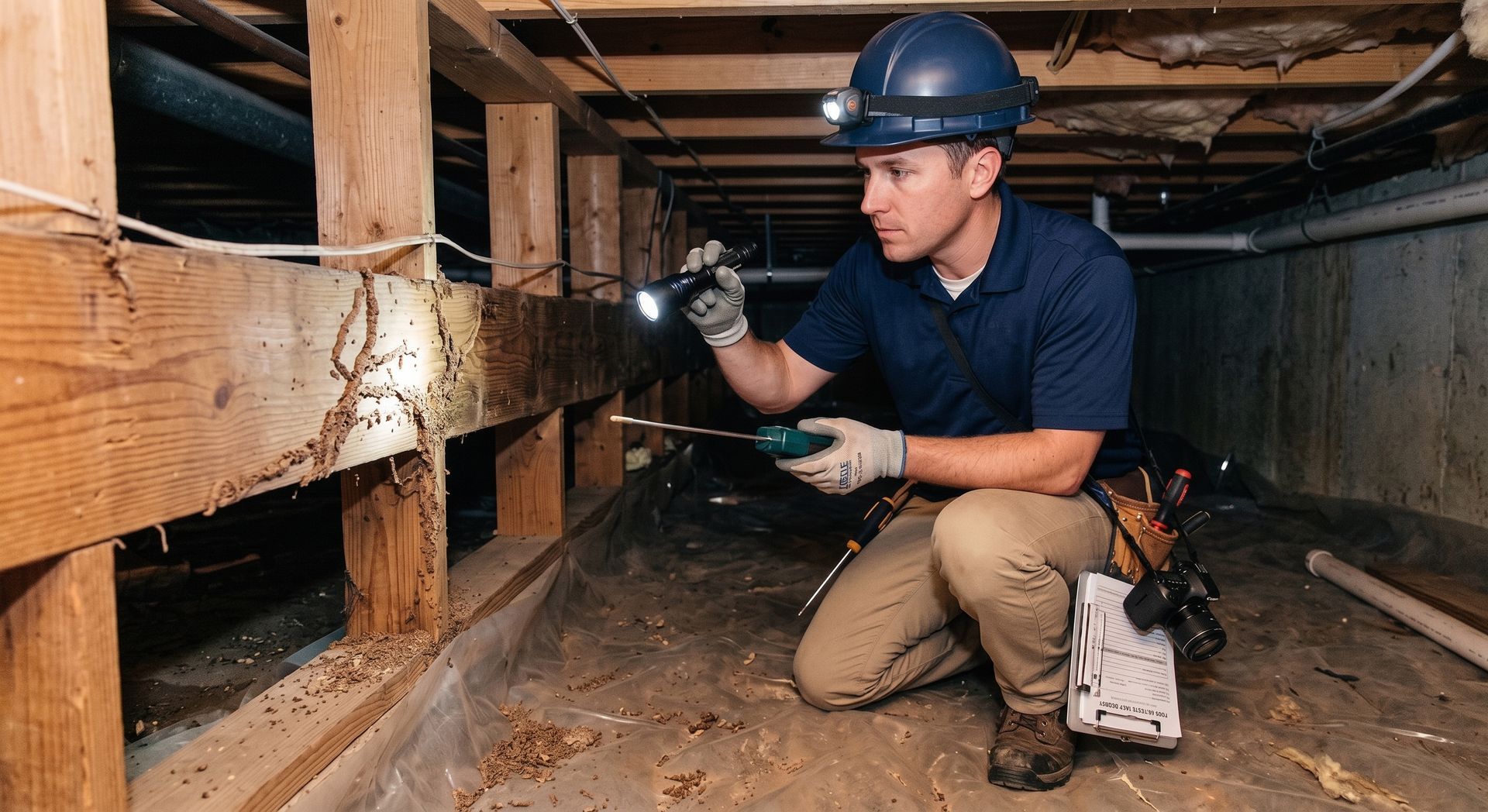
Mud tubes along foundations, basement walls, or crawl space supports are one of the most common indicators. These pencil-sized tubes protect termites as they travel between soil and wood.

Wood that sounds hollow when tapped may indicate internal damage. Termites eat wood from the inside, leaving a thin outer layer intact.

Discarded wings near windowsills or doors are another sign. Termites swarm to reproduce, and winged termites shed their wings shortly after finding a nesting site.

Other warning signs include bubbling paint, warped wood, or small holes in drywall. These symptoms are often mistaken for water damage but may indicate termite activity beneath the surface.

Why DIY Termite Treatments Are Not Effective

Termite control is not a problem that can be solved with sprays or bait traps from a store. Most DIY products only affect termites that come into direct contact with them, leaving the colony intact underground.

Subterranean termite colonies can contain hundreds of thousands of individuals. Killing a few workers does nothing to stop ongoing damage. Without targeting the colony and queen, infestations continue unnoticed.

Improper treatment can also drive termites deeper into structures, making professional intervention more difficult later. Because termites often remain hidden, homeowners may believe the problem is resolved when damage is still occurring.

Effective termite control requires specialized products, equipment, and training to ensure complete elimination.

How Professional Termite Control Works

Professional termite control focuses on detection, elimination, and prevention. The process begins with a detailed inspection of the home and surrounding property.

Technicians examine foundations, crawl spaces, basements, and exterior soil for signs of activity. Moisture sources, wood-to-soil contact, and structural vulnerabilities are identified.

Based on findings, targeted treatment plans are developed. These may include soil treatments around the foundation to create a protective barrier that termites cannot cross. Baiting systems may also be installed to eliminate colonies over time.

Professional treatments are designed to protect the entire structure, not just visible problem areas. Ongoing monitoring ensures that termite activity remains under control.

Moisture Control and Structural Prevention

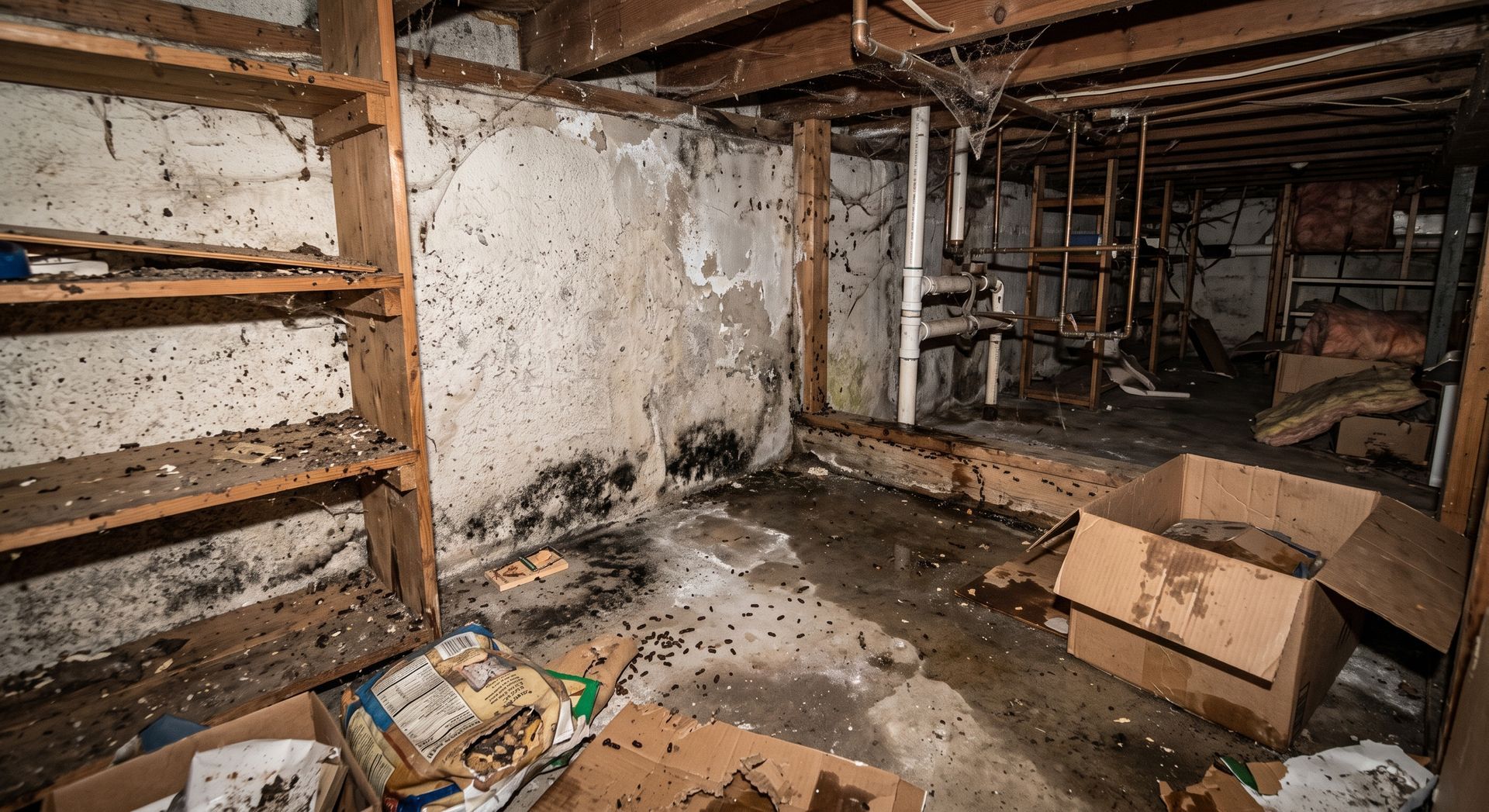
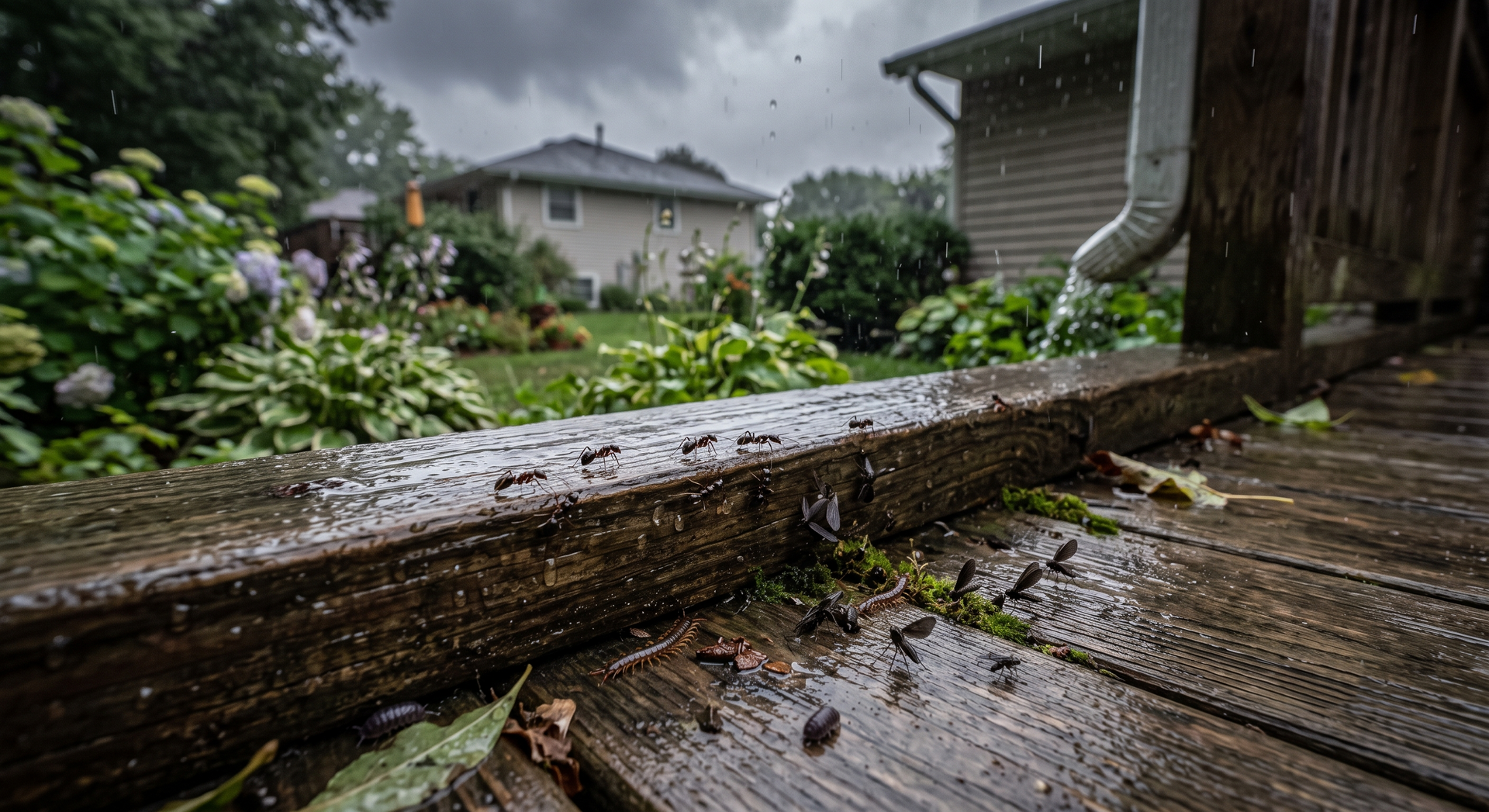
Moisture is one of the biggest contributors to termite infestations. Homes with leaking pipes, poor drainage, or inadequate ventilation provide ideal conditions for termites.

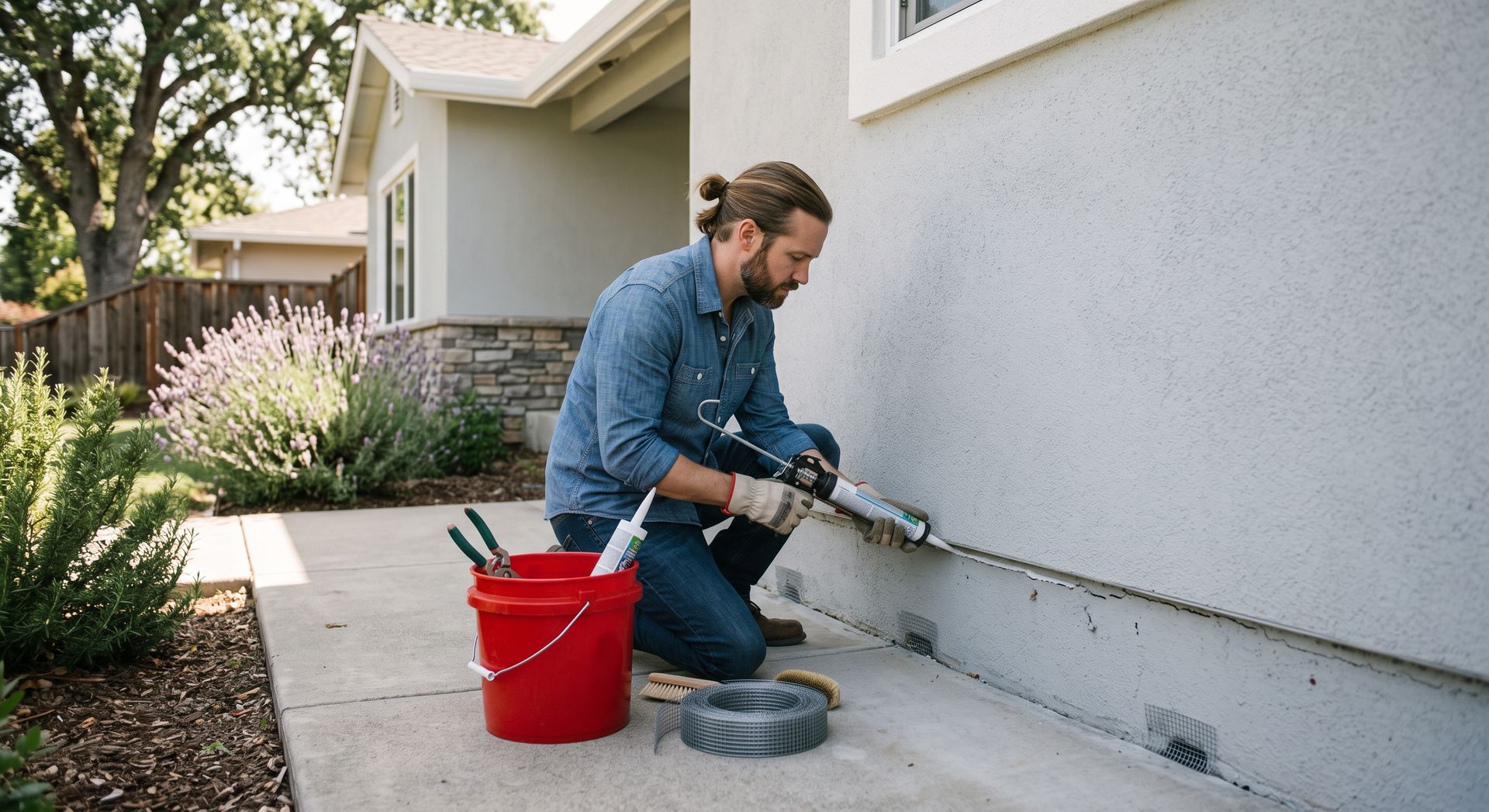
Correcting moisture problems is an important part of long-term termite prevention. Improving drainage, repairing leaks, and ensuring proper ventilation in crawl spaces and basements reduces termite attraction.

Eliminating wood-to-soil contact is also critical. Firewood, mulch, and wooden structures should be kept away from foundations whenever possible.

Regular inspections help catch issues early before damage becomes severe.

The Cost of Ignoring Termite Problems

Delaying termite treatment often leads to higher repair costs. Structural damage caused by termites can require extensive carpentry, flooring replacement, or even foundation repairs.

Because damage occurs gradually and silently, infestations can continue for years before being discovered. By that time, repair costs may far exceed the cost of professional prevention and treatment.

Early detection and proactive control protect not only the home’s structure but also its resale value.

FAQs

Are termites common in Rochester homes?

Yes. While less visible than in warmer climates, subterranean termites do infest homes throughout Monroe County.

How often should homes be inspected for termites?

Annual inspections are recommended, especially for older homes or properties with previous infestations.

Are professional termite treatments safe?

Yes. Treatments are applied according to strict guidelines and are designed to be safe for residential environments when used properly.

Final Thoughts

Termites are one of the few pests that can cause serious, long-term damage without obvious warning signs. For Rochester homeowners, understanding the risks and taking proactive steps is essential.

Professional termite control provides peace of mind, protects property value, and prevents costly repairs. With early detection and proper treatment, homeowners can safeguard their investment and avoid the hidden dangers termites bring.

Cockroaches crawling on a white windowsill and dark floor, with scattered black droppings.
February 18, 2026
Seeing cockroaches in your Rochester home? Learn why they infest, why DIY treatments fail, and how professional extermination eliminates roaches for good..
Person in gloves inspecting mattress for pests with a flashlight, indoor setting.
February 3, 2026
Dealing with fleas in Monroe County? Learn how fleas spread, why infestations persist, and how professional flea control protects your home and pets.