How Weather in Rochester Affects Pest Activity Throughout the Year

Rochester, New York, is known for its four distinct seasons. From snowy winters and rainy springs to warm summers and colorful autumns, each season brings changes that homeowners can expect. While these weather patterns influence everything from landscaping to home maintenance, they also have a major impact on pest activity.
Many people assume pests disappear once cold weather arrives, only to be surprised by mice in the attic during winter or ants marching through the kitchen in early spring. Others notice mosquitoes becoming unbearable after rainy weeks or wasps building nests under their eaves during the summer. These changes are not random. Every pest responds to temperature, moisture, rainfall, and seasonal food availability.
Understanding how Rochester's weather influences pest behavior helps homeowners stay one step ahead. Instead of reacting after an infestation has already begun, you can take preventive measures before pests become established.
This guide explains how each season affects the most common pests found throughout Rochester and Monroe County, along with practical tips to help protect your home throughout the year.
Winter: Pests Seek Warmth and Shelter
Although many insects become inactive outdoors during Rochester's cold winters, winter is one of the busiest seasons for indoor pest problems.
As temperatures begin falling in late autumn, rodents start searching for warm places to spend the winter. Homes provide everything mice and rats need: shelter, warmth, water, and reliable food sources.
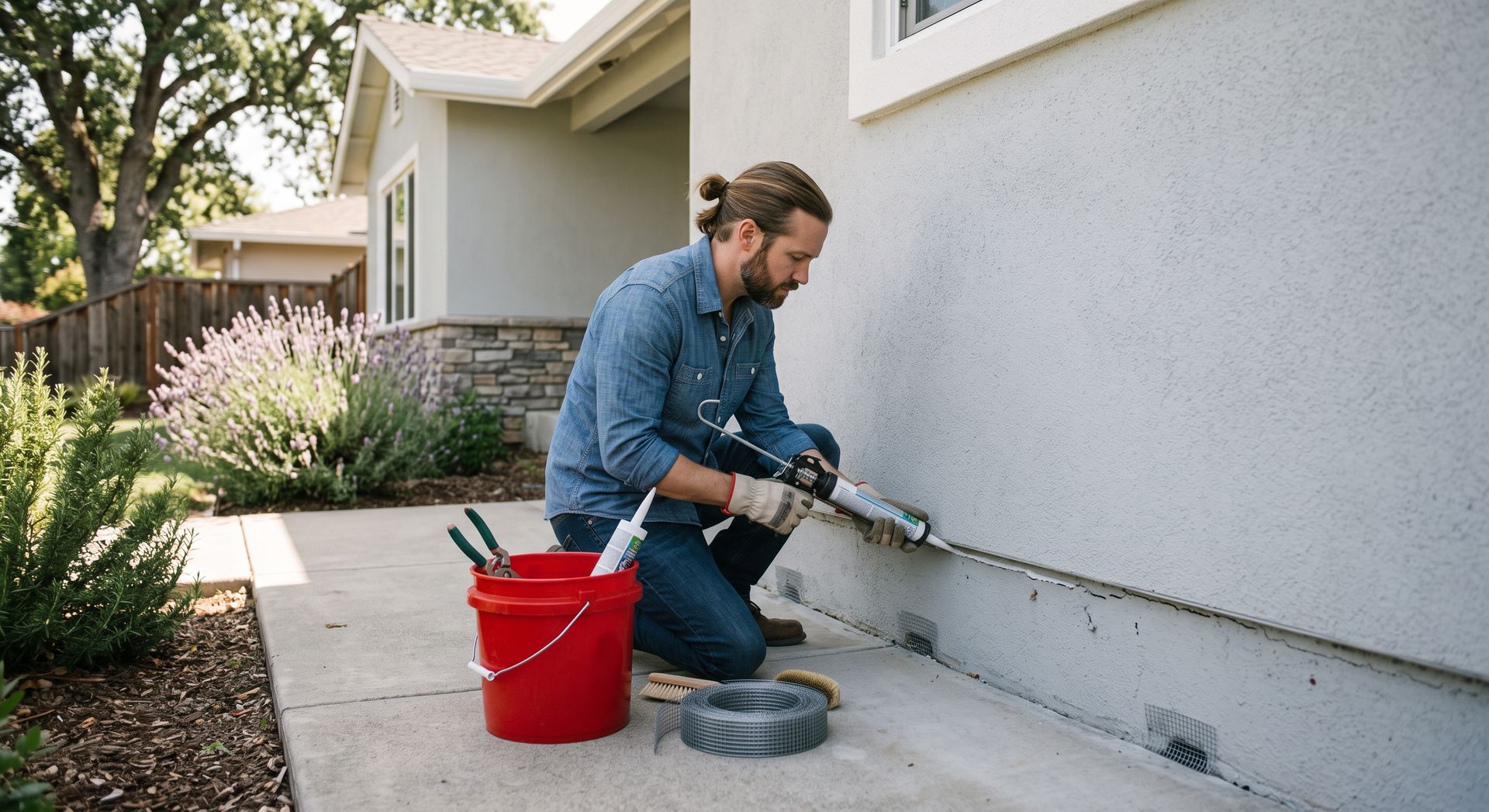
Because mice can fit through incredibly small openings, they often enter through gaps around utility pipes, damaged weather stripping, foundation cracks, attic vents, and garage doors.
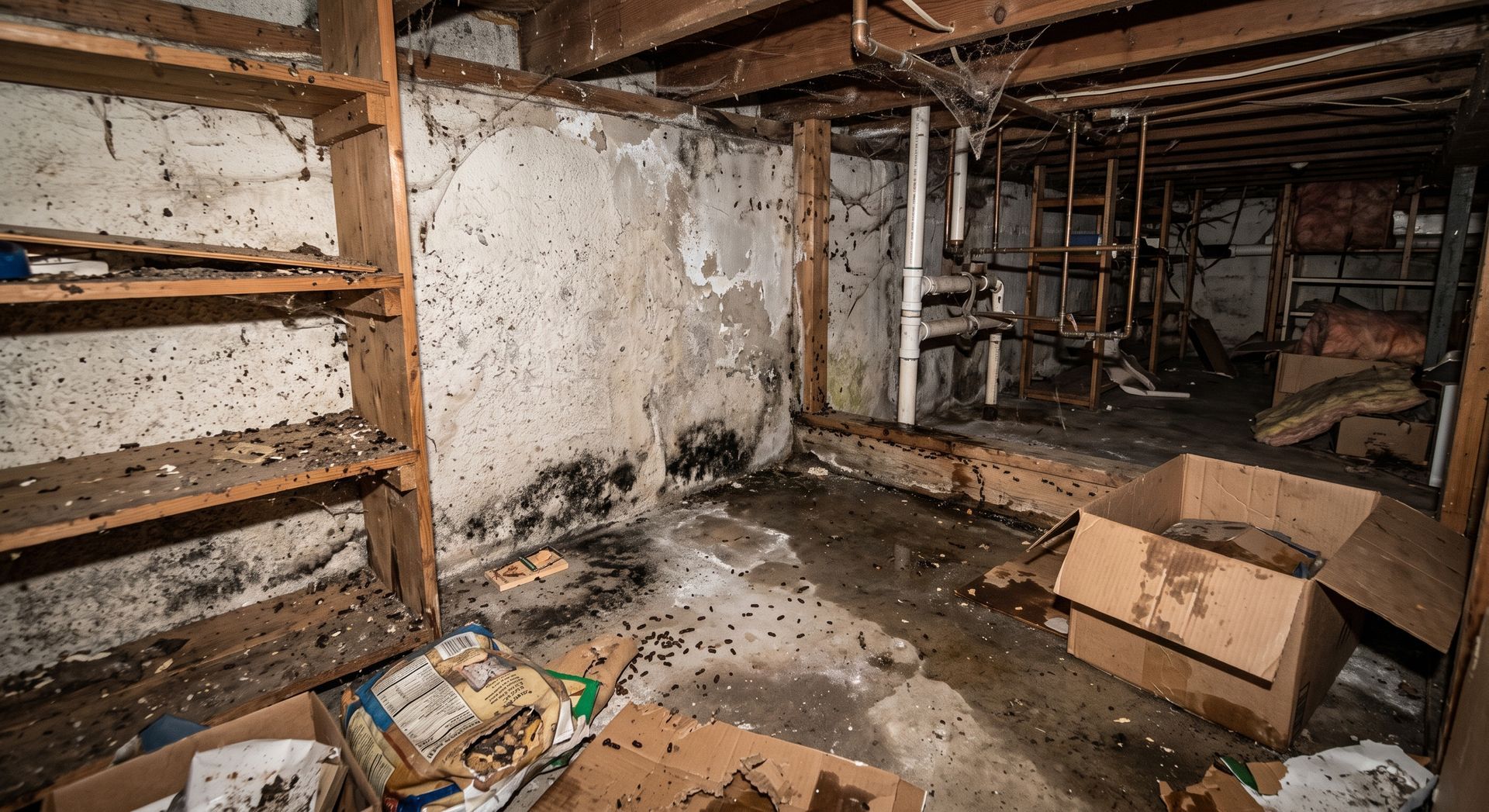
Once inside, they establish nests inside walls, attics, crawl spaces, and basements where they remain active throughout winter.
Rodents aren't the only pests that survive indoors.
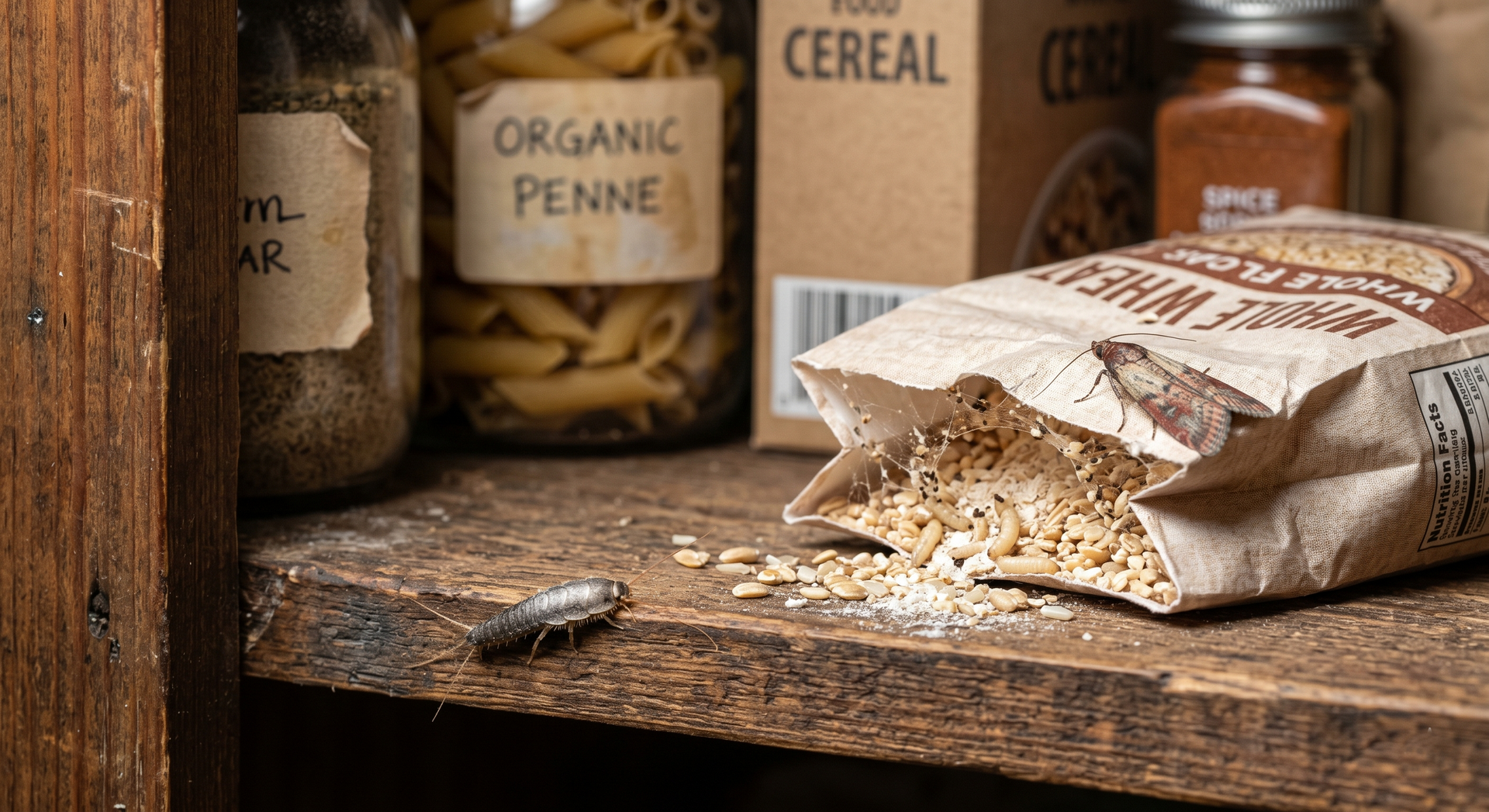
Cockroaches thrive in heated homes and commercial buildings during the winter months. Spiders continue hunting insects that remain active inside. Silverfish seek humid basements and bathrooms, while pantry pests continue feeding on stored foods regardless of outdoor temperatures.
Wildlife can also become a concern during winter. Squirrels, raccoons, and occasionally skunks may enter attics, crawl spaces, sheds, or garages seeking protection from snow and freezing temperatures.
Winter is an excellent time to inspect your home for rodent activity, repair entry points, improve attic ventilation, and reduce indoor clutter that provides hiding places.
Spring: New Life Brings New Pest Problems
Spring marks one of the most active pest seasons in Monroe County.
As snow melts and temperatures gradually increase, insects that spent winter dormant become active again.
Ant colonies begin expanding rapidly.
Queens that survived the winter start producing new workers, and these workers immediately begin searching for food and moisture.
Many homeowners first notice ants in kitchens and bathrooms shortly after consistent warm weather arrives.
Spring rainfall also contributes to pest activity.
Heavy rain saturates soil, forcing insects such as ants, earwigs, and some spiders to seek drier shelter inside homes.
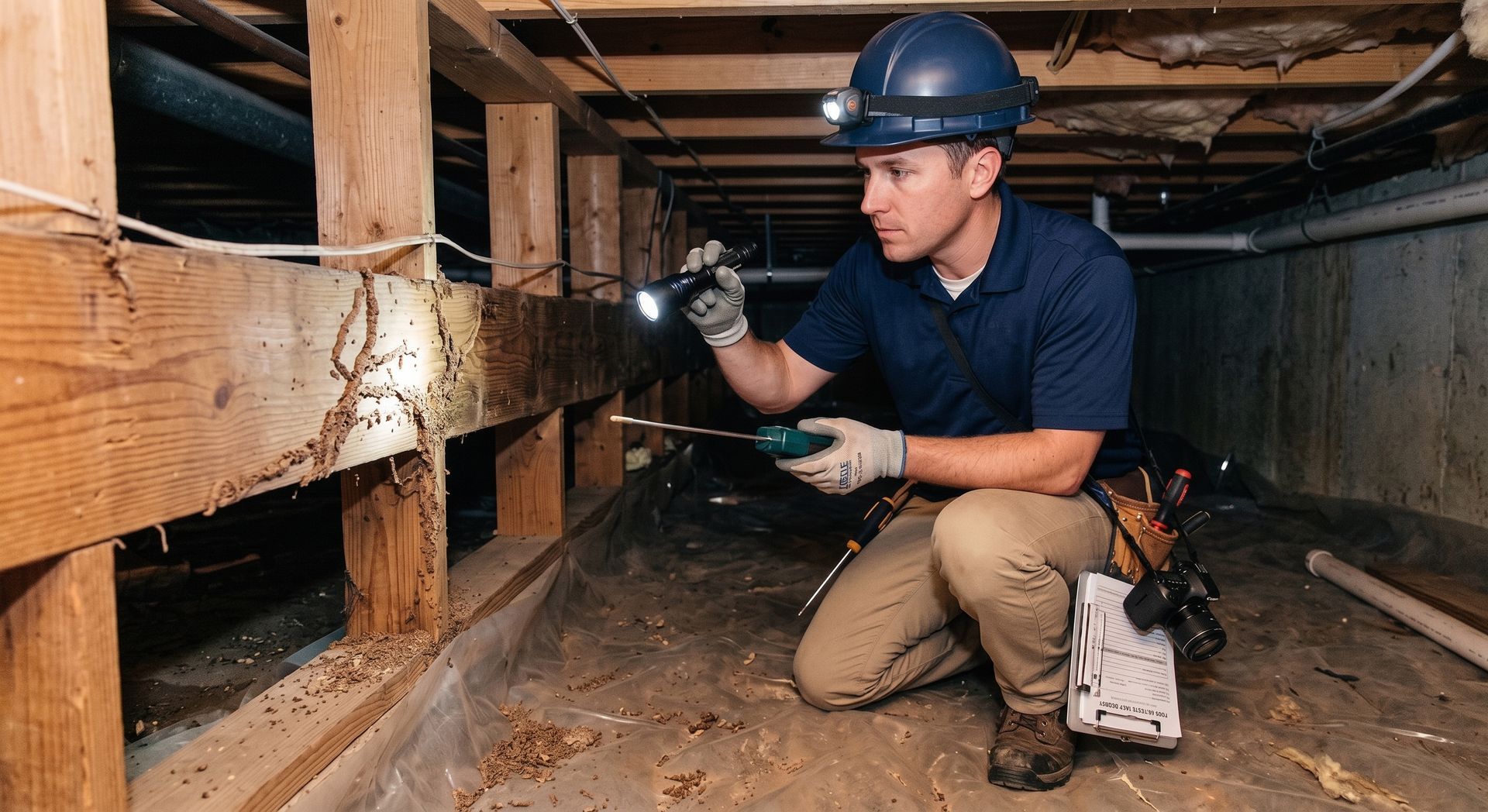
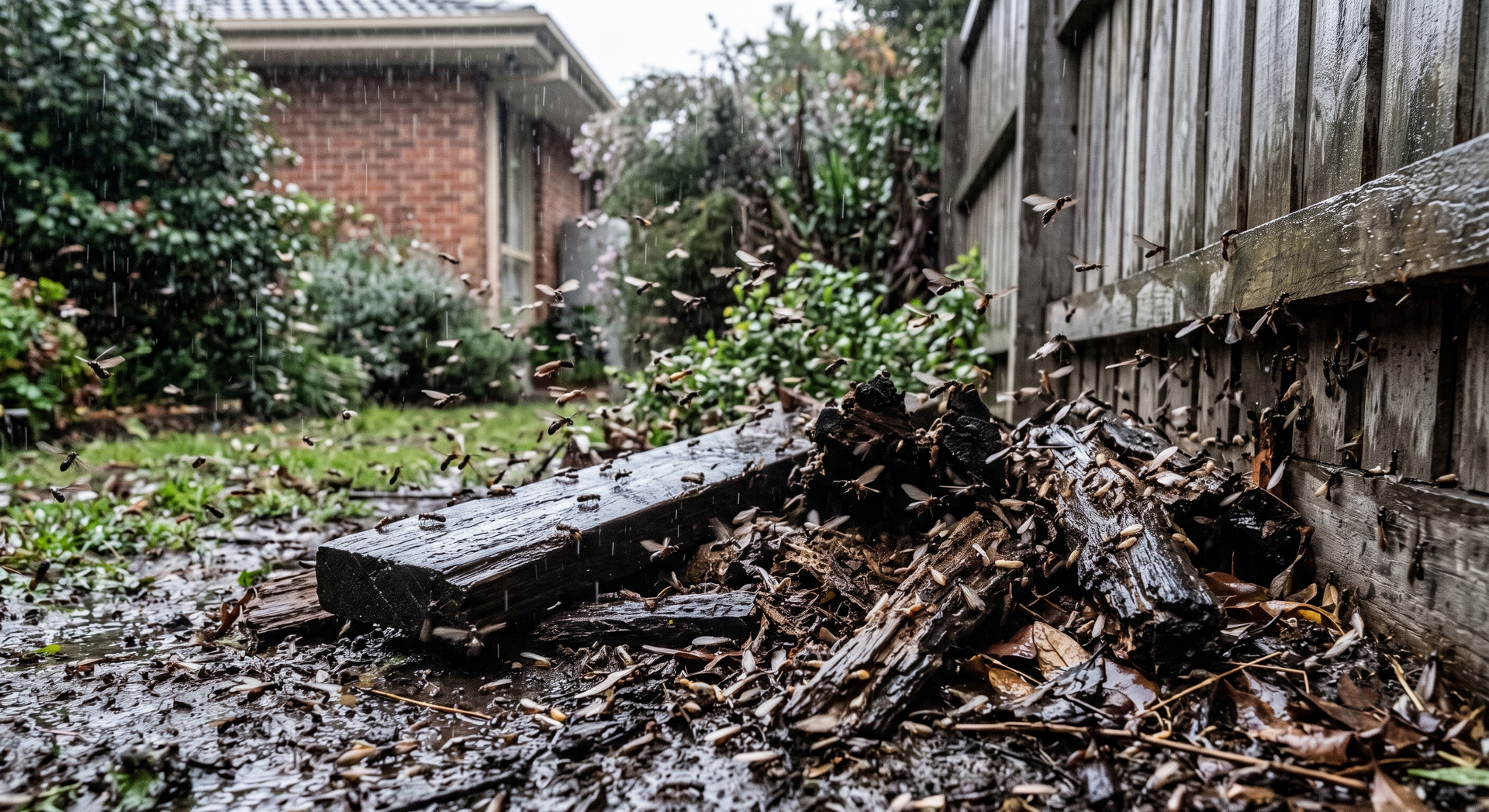
Termite swarmers typically emerge during spring as they establish new colonies.
Although termites are less common in Western New York than in southern states, they can still cause significant structural damage if left untreated.
Carpenter bees also become active during spring.
Female carpenter bees begin drilling into untreated wood to create nesting tunnels, often targeting decks, pergolas, fences, and fascia boards.
Early spring inspections can help identify these issues before significant damage occurs.
Summer: Peak Pest Season
Summer is the busiest time of year for nearly every pest control company in Rochester.
Warm temperatures combined with increased humidity create ideal breeding conditions for insects.
Mosquito populations increase dramatically following rainfall.
Standing water in clogged gutters, bird baths, flowerpots, children's toys, and low areas of the yard becomes breeding habitat for mosquito larvae.
Wasps, hornets, and yellow jackets begin expanding colonies throughout the summer.
What starts as a small nest in June can contain hundreds of stinging insects by August.
Flies become increasingly common around outdoor gatherings, garbage containers, pet waste, and compost piles.
Carpenter ants remain highly active during summer, particularly in homes with moisture-damaged wood.
Fleas reproduce quickly in warm weather, especially in homes with pets.
Ticks also remain active throughout summer and can be found in tall grass, wooded edges, and overgrown landscaping.
Maintaining lawns, removing standing water, and inspecting your property regularly are important summer pest prevention strategies.
Fall: Preparing for Winter
Many homeowners think pest season ends once cooler weather arrives.
In reality, fall is one of the most important seasons for pest prevention.
As nighttime temperatures begin dropping, insects and rodents start searching for winter shelter.
Mice often enter homes during September and October.
Spiders become more visible as they follow insects indoors.
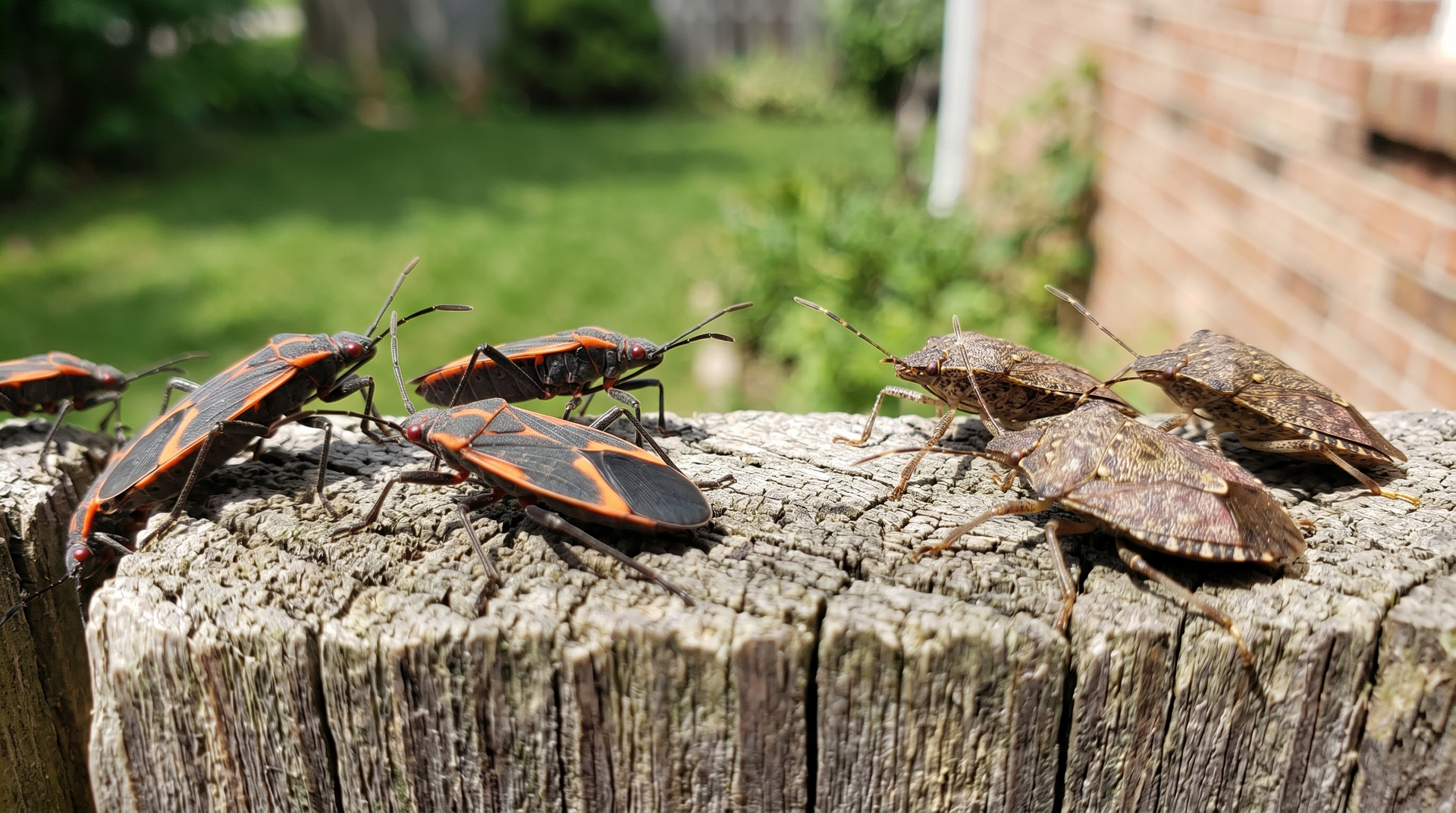
Boxelder bugs and stink bugs gather on sunny sides of homes before squeezing into tiny cracks to spend the winter inside walls and attics.
Wasp colonies reach their largest size during early fall, making accidental encounters more likely.
Wildlife also becomes more active.
Squirrels search for nesting sites before winter.
Raccoons inspect chimneys, attics, and crawl spaces.
Skunks begin looking for protected denning areas beneath decks and porches.
Fall is the ideal time to seal exterior openings, repair damaged screens, trim tree branches away from the roof, and schedule a professional inspection before winter begins.
How Rainfall Influences Pest Activity
Rain affects pest populations in several ways.
Heavy rainfall floods underground nests, driving ants, spiders, and rodents toward higher, drier locations.
Standing water creates ideal mosquito breeding habitat.
Excess moisture encourages fungi and wood decay, attracting carpenter ants and other wood-damaging insects.
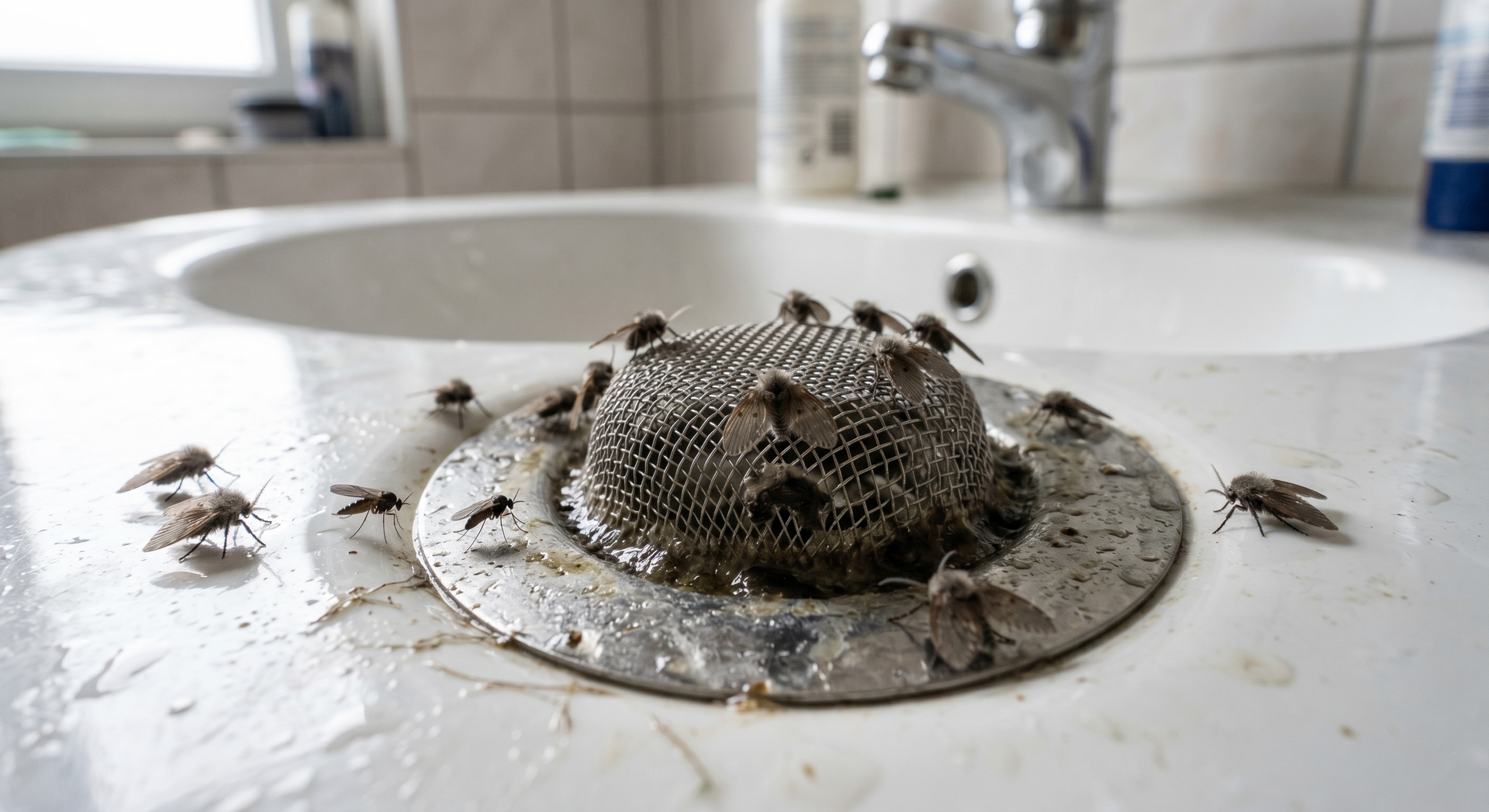
Extended rainy periods also increase humidity inside crawl spaces and basements, creating favorable conditions for silverfish, drain flies, and mold-associated pests.
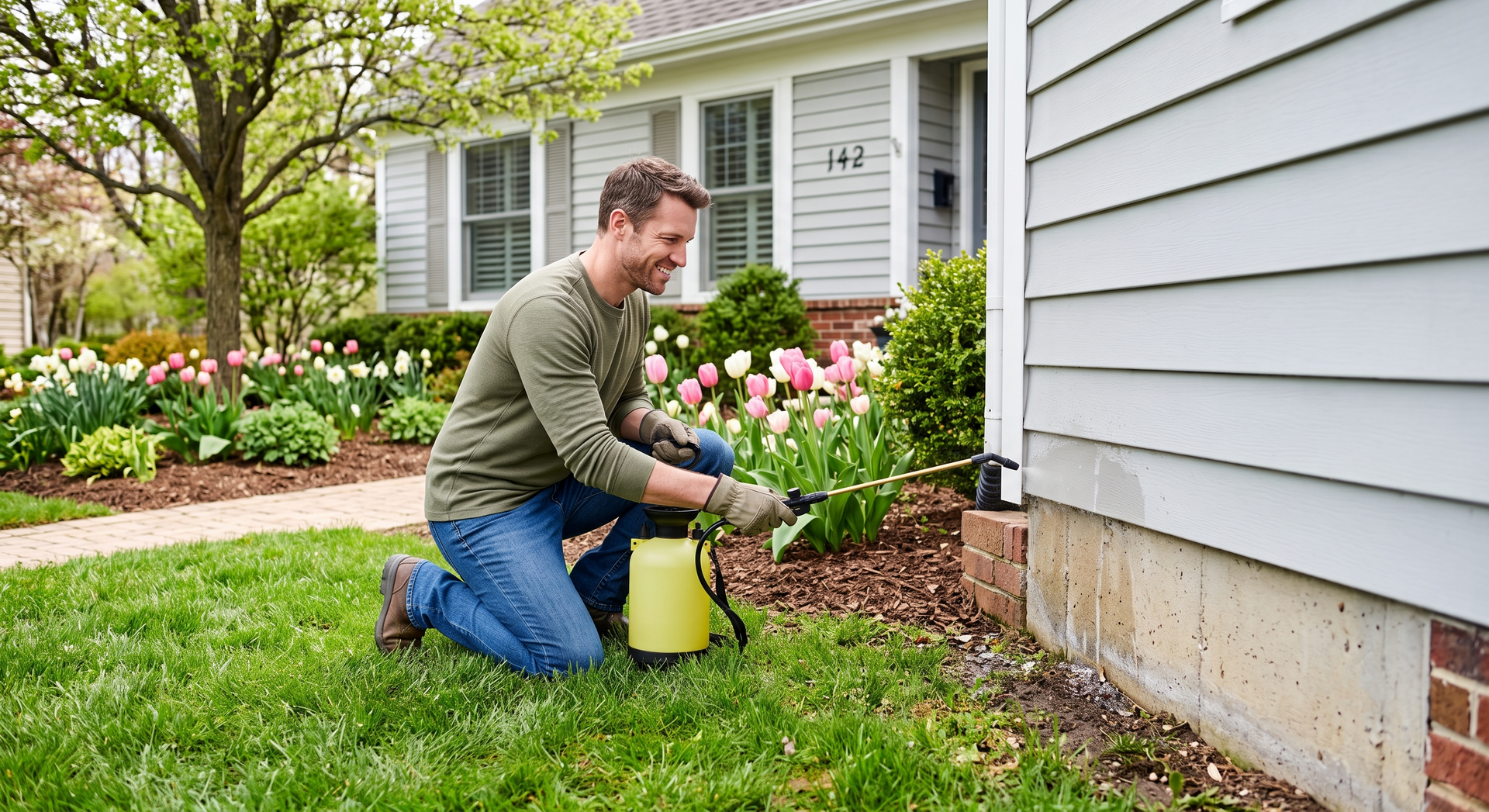
Proper drainage around your home is one of the most effective ways to reduce pest pressure.
The Impact of Heat Waves
Hot weather accelerates insect reproduction.
Many pests complete their life cycles much faster during prolonged periods of warm temperatures.
Mosquitoes develop more rapidly.
Ant colonies expand.
Cockroach populations increase.
Fleas reproduce more frequently.
Heat also encourages insects to search for water.
During dry summers, homeowners may notice increased insect activity around leaky outdoor faucets, irrigation systems, and shaded landscaping.
Maintaining proper moisture cont
Snow and Ice Can Still Lead to Pest Problems
Heavy snowfall may seem like a natural pest control solution, but it often has the opposite effect.
Deep snow insulates rodents living beneath it, allowing mice and voles to survive the winter close to homes.
Snow accumulation against foundations can conceal entry points.
Ice dams on roofs may create moisture issues that attract carpenter ants once temperatures rise.
After severe winter weather, inspecting your home's exterior helps identify new vulnerabilities before spring pest activity begins.
Landscaping Changes with the Seasons
Weather affects vegetation just as much as it affects pests.
Spring growth creates shelter for insects.
Summer lawns may hide ticks.
Autumn leaves provide overwintering habitat for many insects.
Winter snow can conceal rodent tunnels.
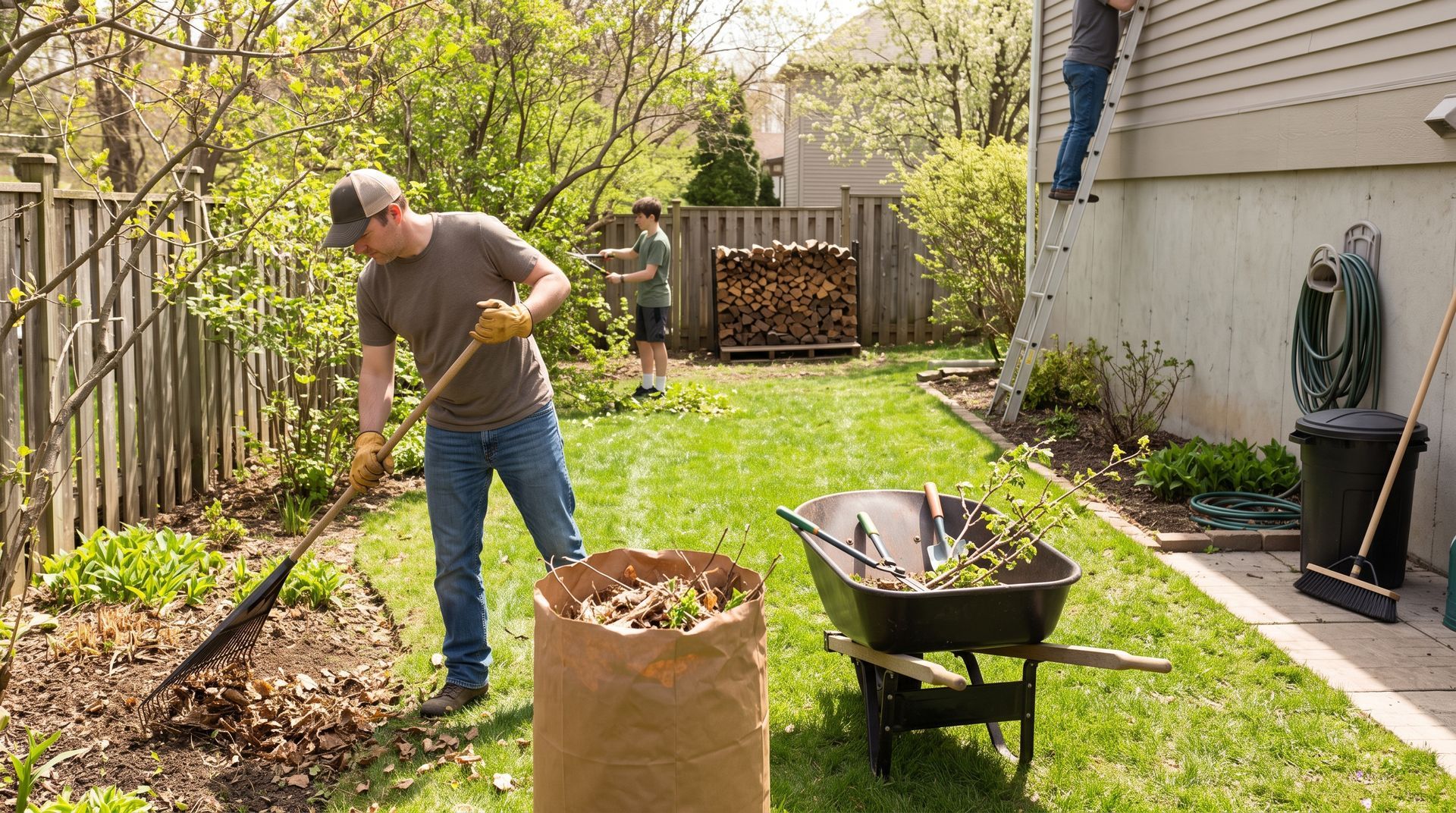
Regular yard maintenance throughout the year helps eliminate many of these seasonal pest habitats.
Why Year-Round Prevention Works Best
Because pest activity changes every season, effective pest management is not a one-time event.
Preventive inspections and seasonal treatments allow homeowners to address problems before they become infestations.
Rather than waiting until ants appear in the kitchen or mice begin scratching inside the walls, proactive maintenance keeps pest populations low throughout the year.
A comprehensive pest management program also allows technicians to identify developing problems that homeowners may overlook, including moisture issues, structural vulnerabilities, and early signs of wildlife activity.
Frequently Asked Questions
What season has the most pest activity in Rochester?
Summer typically has the highest overall insect activity, but fall and winter are often the busiest seasons for rodent infestations because mice and rats seek shelter indoors.
Does cold weather kill pests?
Some insects die during freezing temperatures, but many survive by burrowing underground, hiding beneath bark, or finding shelter inside homes. Rodents and wildlife remain active throughout winter.
When should homeowners schedule pest inspections?
Many homeowners benefit from inspections in early spring and again in early fall. These seasons allow potential problems to be identified before pest activity reaches its seasonal peak.
Protect Your Home During Every Season
Rochester's changing weather creates unique challenges for homeowners, but understanding how seasonal conditions affect pest behavior makes prevention much easier. By staying ahead of temperature fluctuations, managing moisture, sealing entry points, and maintaining your property year-round, you can significantly reduce the likelihood of unwanted pests invading your home.
RPM Pest Control Management LLC proudly provides year-round pest management services for homeowners throughout Rochester and Monroe County. Whether you're preparing for spring ant season, protecting your family from summer mosquitoes, preventing fall rodent invasions, or addressing winter pest concerns, our experienced team delivers customized solutions designed specifically for Western New York's changing climate.
To schedule an inspection or learn more about our residential and commercial pest control services, call
(585) 301-5811 or visit
https://www.rpmpestcontrolmanagement.com/contact
RECENT POSTS