
Drain Flies and Gnats in Rochester Homes: Why They Appear and How to Get Rid of Them

June 5, 2026

Understanding Drain Flies and Gnats in Rochester Homes: Prevention and Removal Tips

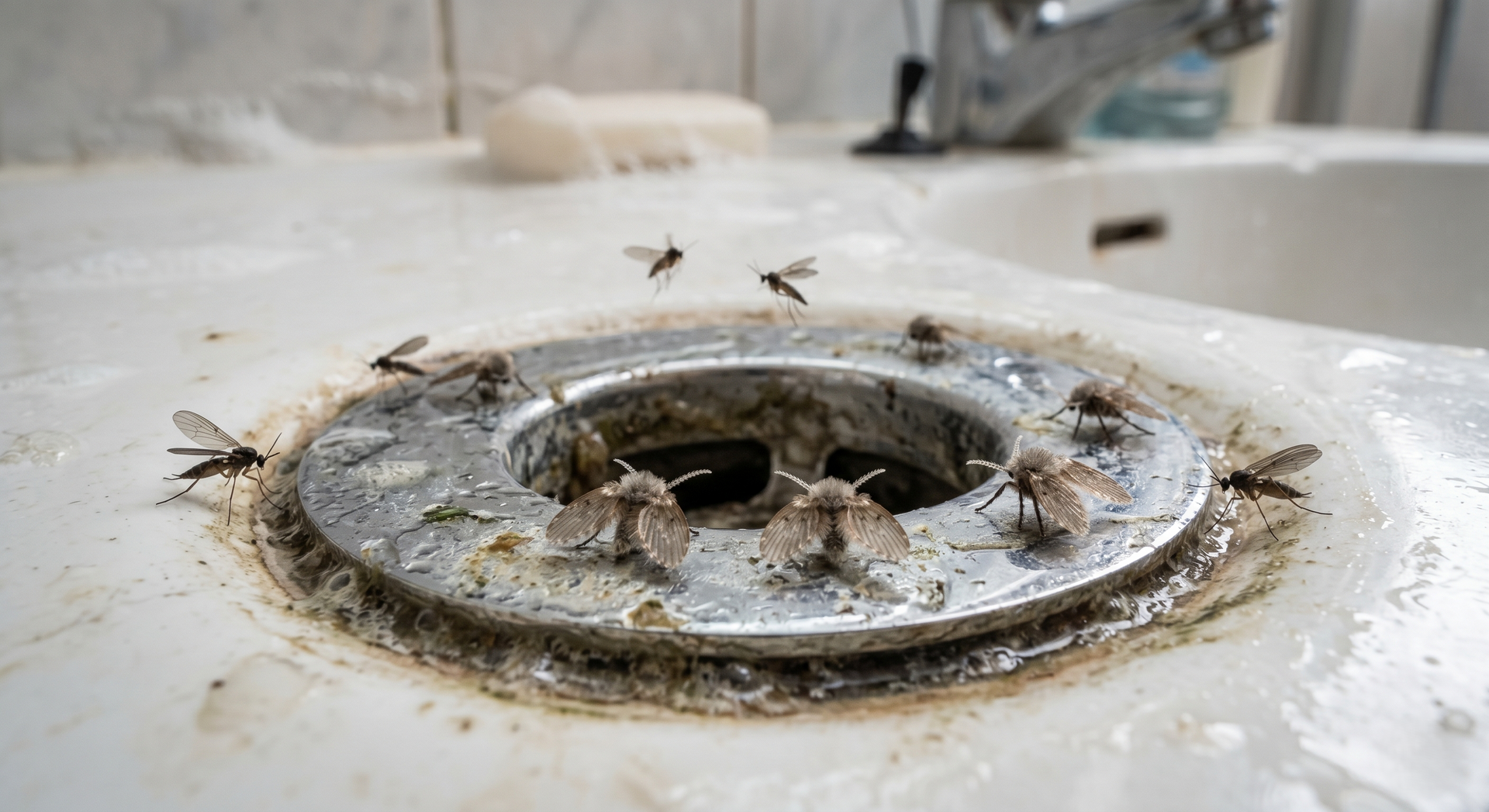
Flies swarming around a dirty metal drain on a white surface

Few household pests are as annoying as drain flies and gnats. They may be small, but their constant presence around sinks, drains, and bathrooms can make a home feel unclean and uncomfortable. Many Rochester homeowners notice these pests hovering around kitchen sinks, bathroom drains, laundry rooms, or basement floor drains—often despite regular cleaning.

Drain flies and gnats are especially common in Monroe County homes due to moisture, aging plumbing systems, and seasonal humidity. While they don’t pose the same health risks as rodents or cockroaches, they are persistent and notoriously difficult to eliminate without addressing their breeding source.

This guide explains why drain flies and gnats appear in Rochester homes, how to tell them apart, why DIY solutions often fail, and how professional pest control resolves the problem at its source.

Why Drain Flies and Gnats Are Common in Rochester Homes

Rochester homes often have the exact conditions drain flies and gnats need to thrive: moisture, organic buildup, and quiet breeding areas. Older plumbing systems, basement drains, sump pits, and rarely used sinks are especially vulnerable.

Drain flies breed in the organic sludge that builds up inside pipes. This slimy material forms from grease, soap residue, food particles, and bacteria. Even homes that appear clean can harbor buildup inside drains where it is not visible.

Gnats, particularly fungus gnats, are often associated with moisture and organic material as well. They may breed in damp soil from houseplants, leaky pipes, garbage disposals, or decaying organic matter in drains.

Seasonal humidity in spring and summer accelerates breeding cycles, which is why infestations often appear suddenly and seem to multiply overnight.

How to Identify Drain Flies vs. Gnats

Although often grouped together, drain flies and gnats are different pests with different breeding habits.

Drain flies are small, fuzzy insects with moth-like wings. They are usually gray or black and are commonly seen resting on walls near sinks or drains. They are weak fliers and tend to hop or flutter short distances. Drain flies are almost always found near plumbing.

Gnats are slender, mosquito-like insects that fly erratically. Fungus gnats are commonly found near houseplants, windows, and damp areas. They are often mistaken for fruit flies but are less attracted to food and more attracted to moisture and soil.

Correct identification matters because treatment must target the specific breeding source.

Where Drain Flies and Gnats Breed

Drain flies breed inside drains, sewer lines, floor drains, and garbage disposals. They lay eggs in the organic film lining the pipes. Killing adult flies without removing this buildup does nothing to stop reproduction.

Gnats may breed in multiple locations. Overwatered plants, standing water, leaky pipes, sump pits, and even damp mop buckets can support breeding. In some cases, gnats originate from exterior sources and enter homes through windows or doors.

Because breeding areas are often hidden, infestations can persist even after repeated surface cleaning.

Why DIY Methods Rarely Work

Many homeowners attempt to eliminate drain flies and gnats using sprays, traps, vinegar, or boiling water. While these methods may kill adult insects, they rarely eliminate the breeding source.

Pouring boiling water or bleach down a drain may temporarily reduce activity but often fails to remove thick organic buildup. Traps capture flying adults but do nothing to stop larvae from developing.

A common mistake is treating the wrong drain. Drain flies may originate from basement floor drains, laundry drains, or rarely used sinks, not the area where they are most visible.

Without addressing the exact breeding location and removing organic material completely, infestations quickly return.

Health and Sanitation Concerns

Drain flies and gnats are not typically dangerous, but their presence indicates unsanitary conditions inside plumbing systems. Drain fly breeding material contains bacteria and organic waste, which can contribute to unpleasant odors and poor indoor hygiene.

In commercial kitchens and food preparation areas, these pests are often considered sanitation issues and may attract regulatory attention.

In residential settings, persistent infestations can create frustration, embarrassment, and concern about cleanliness—even when homeowners maintain good housekeeping habits.

How Professional Control Solves the Problem

Professional drain fly and gnat control focuses on identifying and eliminating the breeding source rather than simply killing adult insects.

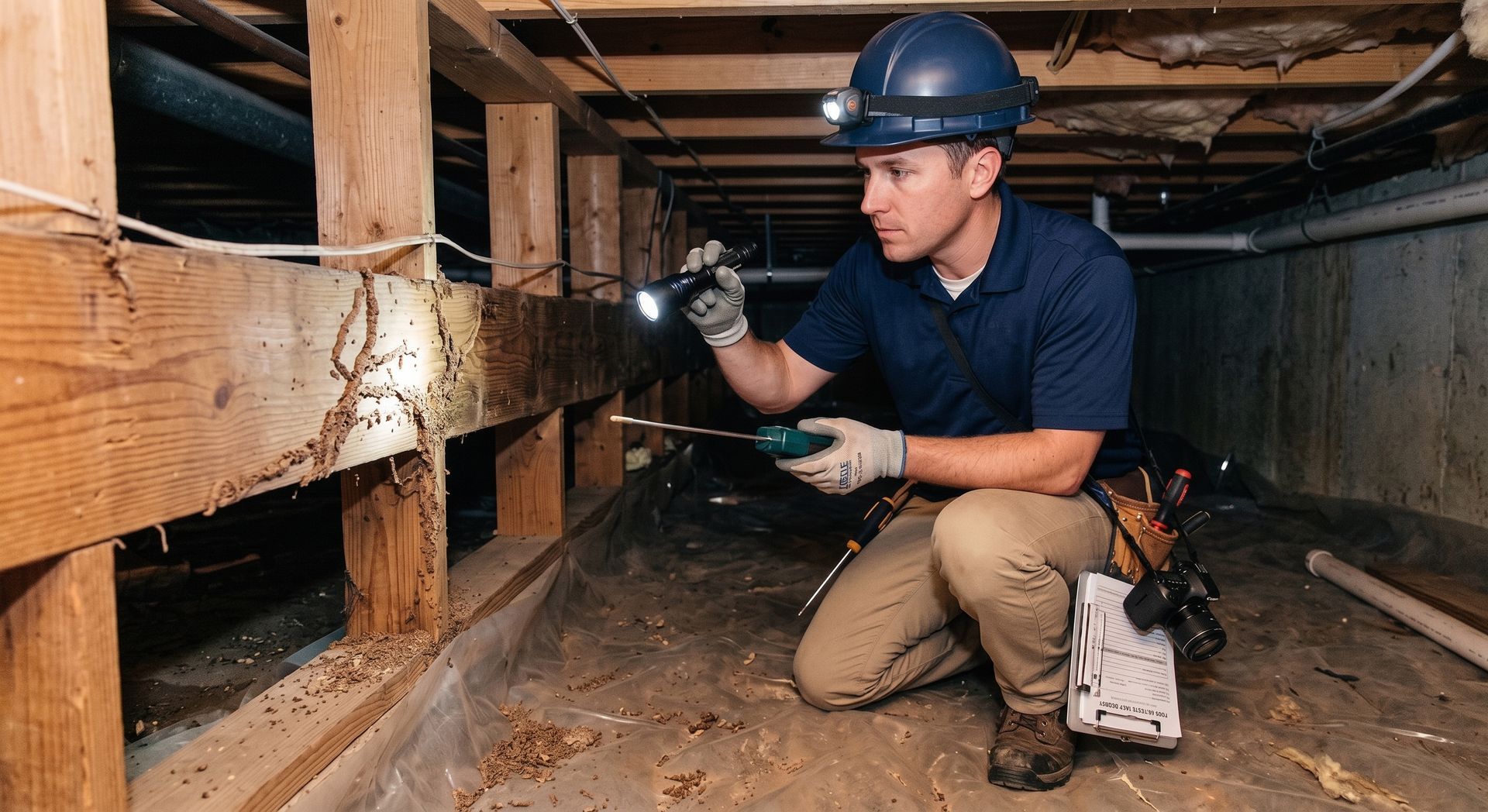
The process begins with a detailed inspection of all drains, plumbing fixtures, and moisture-prone areas. Technicians may use inspection tools to identify organic buildup inside pipes and determine which drains are active breeding sites.

Professional-grade enzymatic cleaners or biological treatments are applied to break down organic material lining the pipes. These products work over time, eliminating larvae and preventing future egg laying.

In cases involving gnats, moisture sources such as leaks, damp soil, or standing water are identified and addressed. Recommendations may include adjusting watering habits, improving drainage, or repairing plumbing issues.

Follow-up inspections ensure that breeding has stopped and that activity does not return.

The Role of Plumbing and Moisture Maintenance

Long-term prevention depends on managing moisture and maintaining plumbing systems. Regularly cleaning drains, running water in rarely used fixtures, and addressing slow drains help prevent organic buildup.

Fixing leaks, improving ventilation, and reducing humidity limit the conditions gnats need to survive. Basement drains, sump pits, and utility sinks should be inspected periodically, especially in older Rochester homes.

Professional pest control often works best in coordination with basic plumbing maintenance.

Seasonal Patterns of Drain Flies and Gnats

Drain fly and gnat problems often worsen in spring and summer when warmth and humidity accelerate breeding. However, infestations can occur year-round, especially in homes with ongoing moisture issues.

Winter infestations are not uncommon in basements and laundry rooms where indoor conditions remain favorable.

Seasonal inspections help identify problem areas before populations increase.

When Drain Flies Signal a Bigger Problem

In some cases, persistent drain fly activity may indicate deeper plumbing issues such as cracked pipes, sewer line problems, or buildup in hard-to-reach areas.

Homes experiencing repeated infestations despite cleaning may benefit from professional inspection to rule out hidden leaks or structural plumbing concerns.

Addressing these issues early prevents recurring pest problems and potential plumbing damage.

FAQs

Are drain flies harmful to people or pets?
They are considered nuisance pests and do not bite, but they indicate unsanitary conditions inside drains.

How long does it take to eliminate drain flies completely?
With proper treatment, activity usually decreases significantly within one to two weeks as breeding stops.

Will they come back after treatment?
If organic buildup and moisture issues are addressed, drain flies and gnats typically do not return.

Final Thoughts

Drain flies and gnats may be small, but they are persistent and frustrating when left untreated. Understanding why they appear and why surface treatments fail makes it easier to resolve the problem effectively.

By targeting breeding sources, improving moisture control, and maintaining plumbing systems, Rochester homeowners can eliminate these pests and restore comfort and cleanliness to their homes.

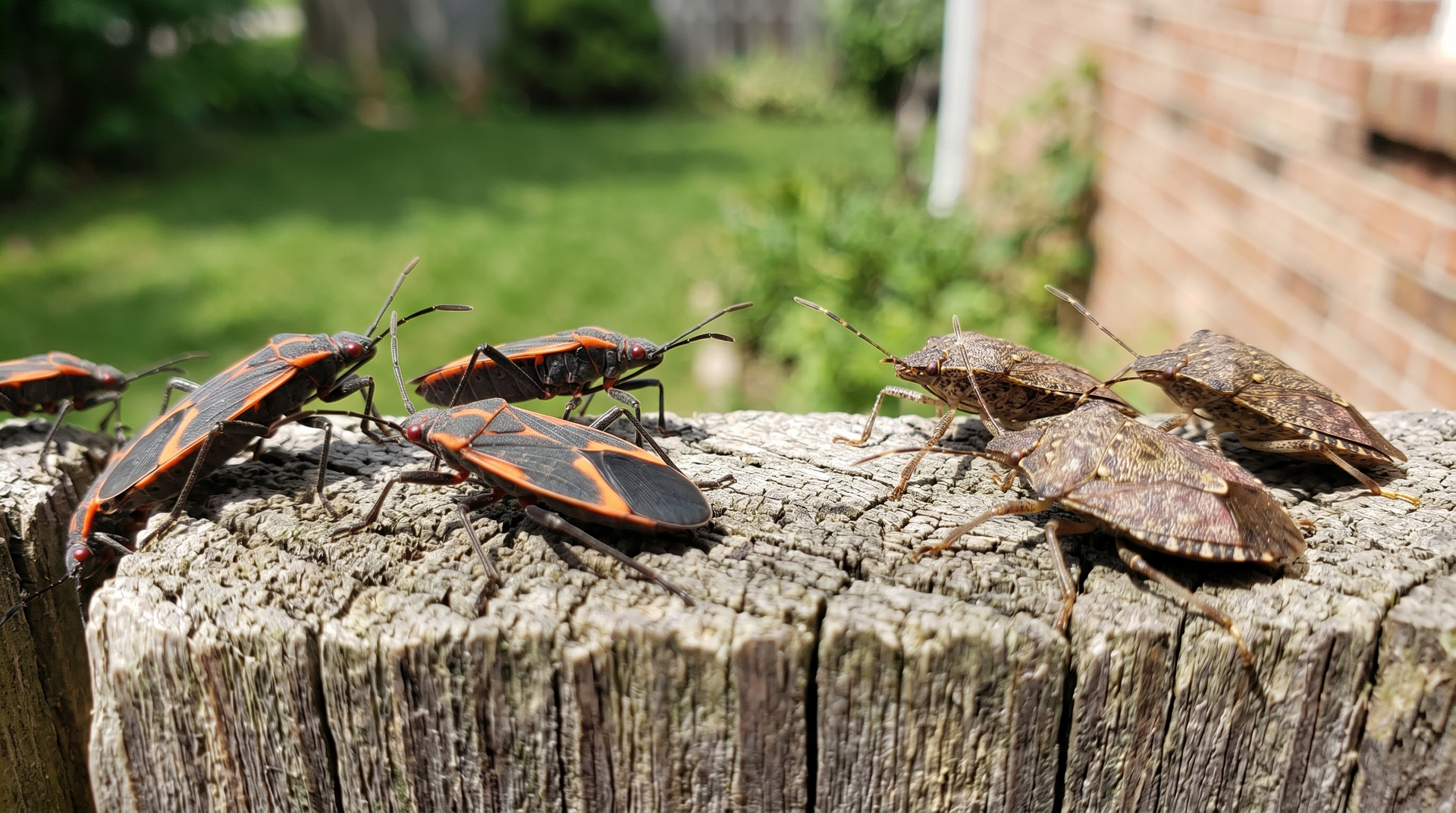
Orange-and-black bugs clustered on a weathered tree stump outdoors
May 21, 2026
Seeing boxelder bugs or stink bugs in your Rochester home? Learn why they invade, how to prevent them, and when professional pest control can help today this fall.!!
Person in white protective suit fogging a warehouse aisle with pesticide or disinfectant.
May 6, 2026
Pests change with the seasons in Rochester. Learn how to prevent ants, rodents, insects, and wildlife year-round with smart, effective pest control strategies today.