
What Attracts Pests to Your Home? 15 Common Mistakes Rochester Homeowners Make
15 Common Mistakes That Attract Pests to Rochester Homes

Most homeowners believe pests simply appear out of nowhere. One day your home seems perfectly fine, and the next you're dealing with ants in the kitchen, mice in the basement, wasps around the deck, or spiders in the corners of your living room. While seasonal weather certainly influences pest activity, infestations rarely happen by chance.
The truth is that many pest problems begin because our homes unintentionally provide exactly what insects and rodents need to survive. Food, water, shelter, and easy access are the four essentials every pest is searching for. Even the cleanest homes can unknowingly offer these resources.
For homeowners in Rochester and throughout Monroe County, understanding what attracts pests is one of the most effective ways to prevent costly infestations. Simple changes around your home and property can dramatically reduce the likelihood of ants, rodents, cockroaches, mosquitoes, spiders, wasps, carpenter bees, and other nuisance pests becoming permanent residents.
Below are fifteen of the most common mistakes homeowners make and practical ways to avoid them.
1. Ignoring Small Cracks Around Your Home
Many pests need surprisingly little space to enter a home.
Mice can squeeze through an opening about the size of a dime, while insects such as ants and spiders only require tiny gaps around windows, doors, utility pipes, or foundations.
Over time, weather causes caulking to crack, foundations to shift, and seals around doors to wear out. These small openings become highways for pests looking for shelter.
Inspect the exterior of your home every spring and fall. Seal cracks with quality exterior caulk and replace damaged weather stripping before pests have the opportunity to move inside.
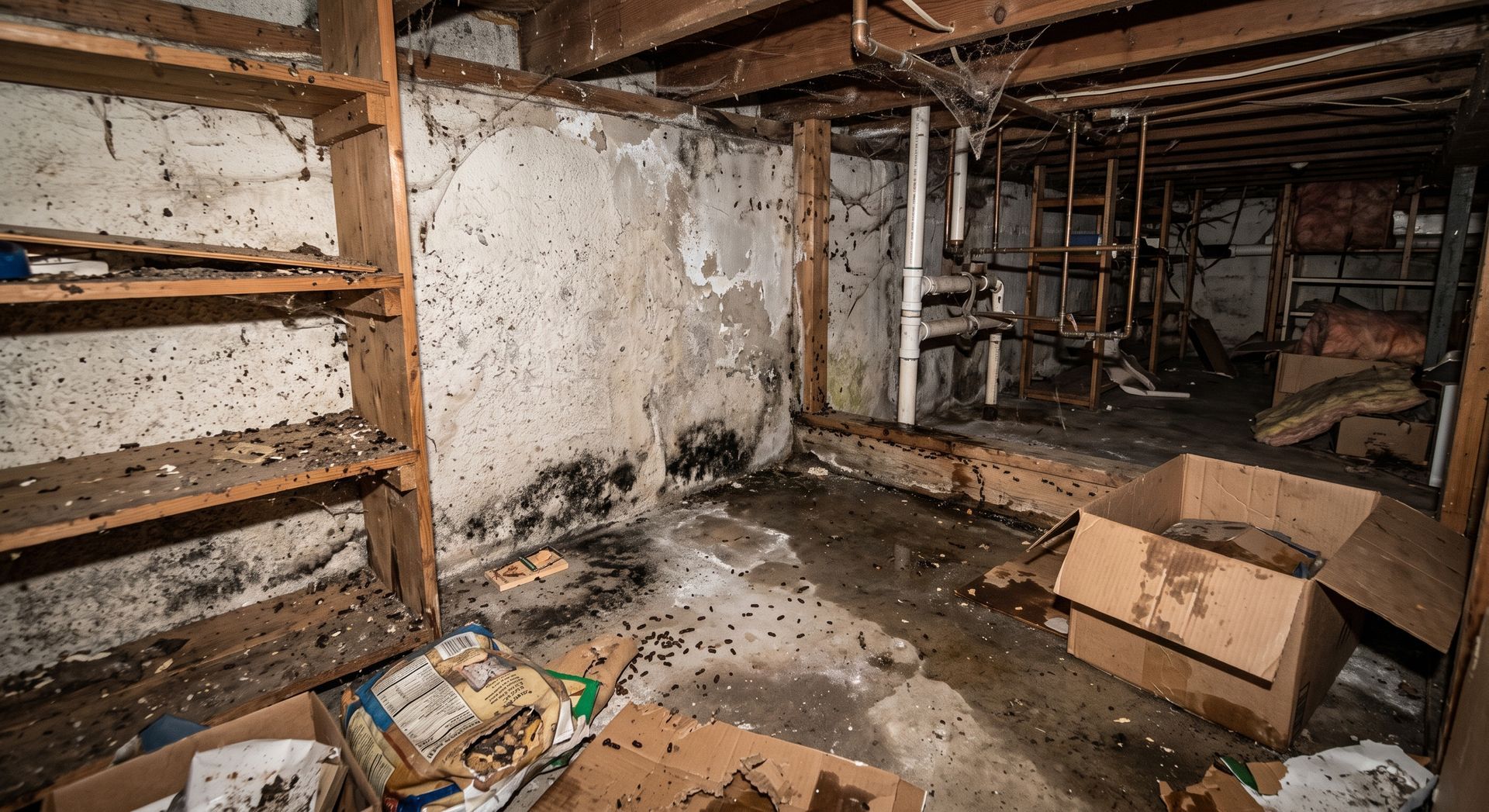
2. Allowing Moisture to Build Up
Moisture is one of the biggest pest attractants.
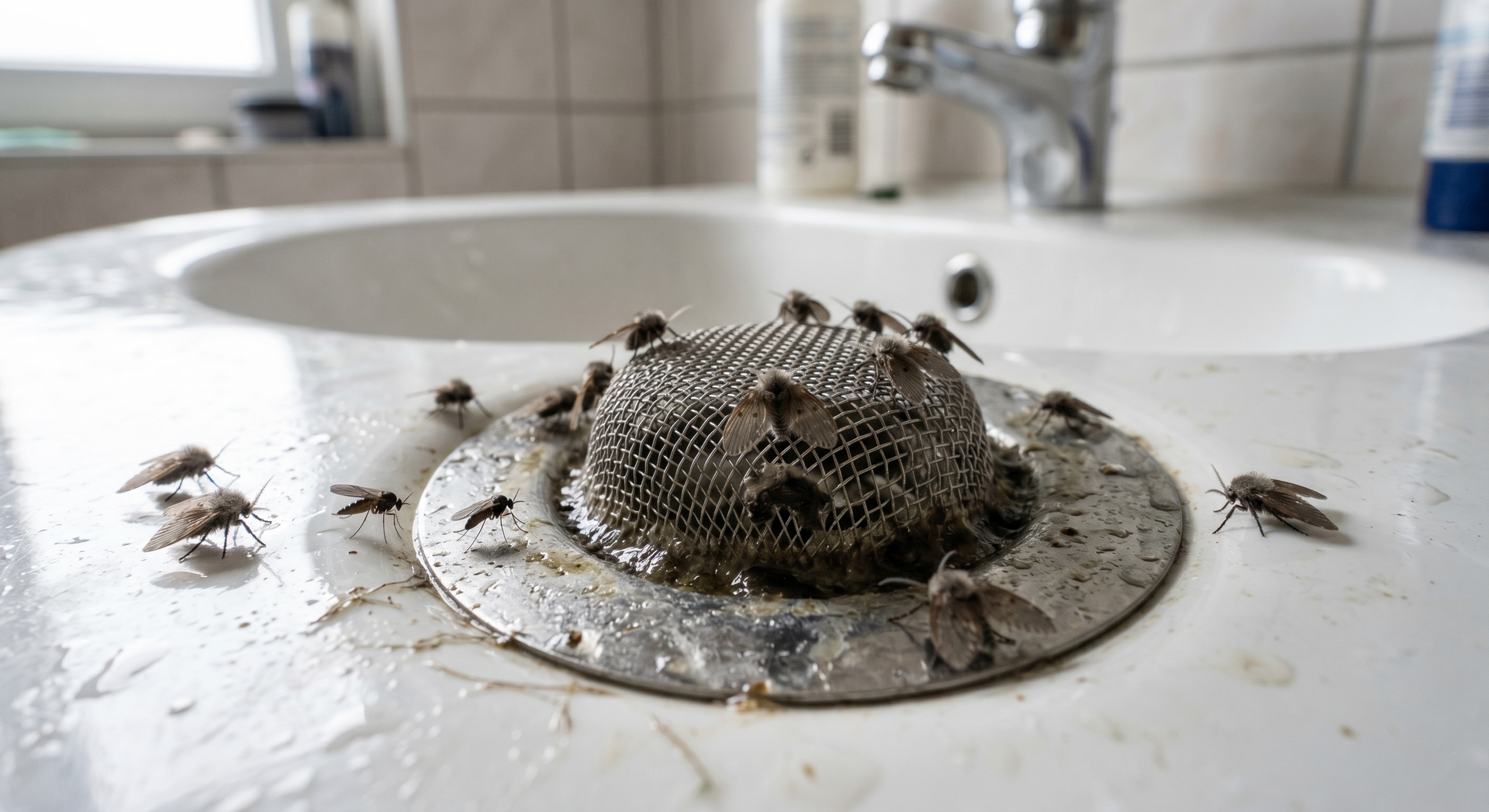
Leaky faucets, dripping pipes, damp crawl spaces, and poor basement ventilation create ideal environments for numerous pests, including:
- Carpenter ants
- Cockroaches
- Silverfish
- Drain flies
- Centipedes
- Spiders
Standing water also encourages mosquito breeding outdoors.
Repair leaks promptly, improve ventilation where needed, and consider using a dehumidifier in damp basements during Rochester's humid summer months.
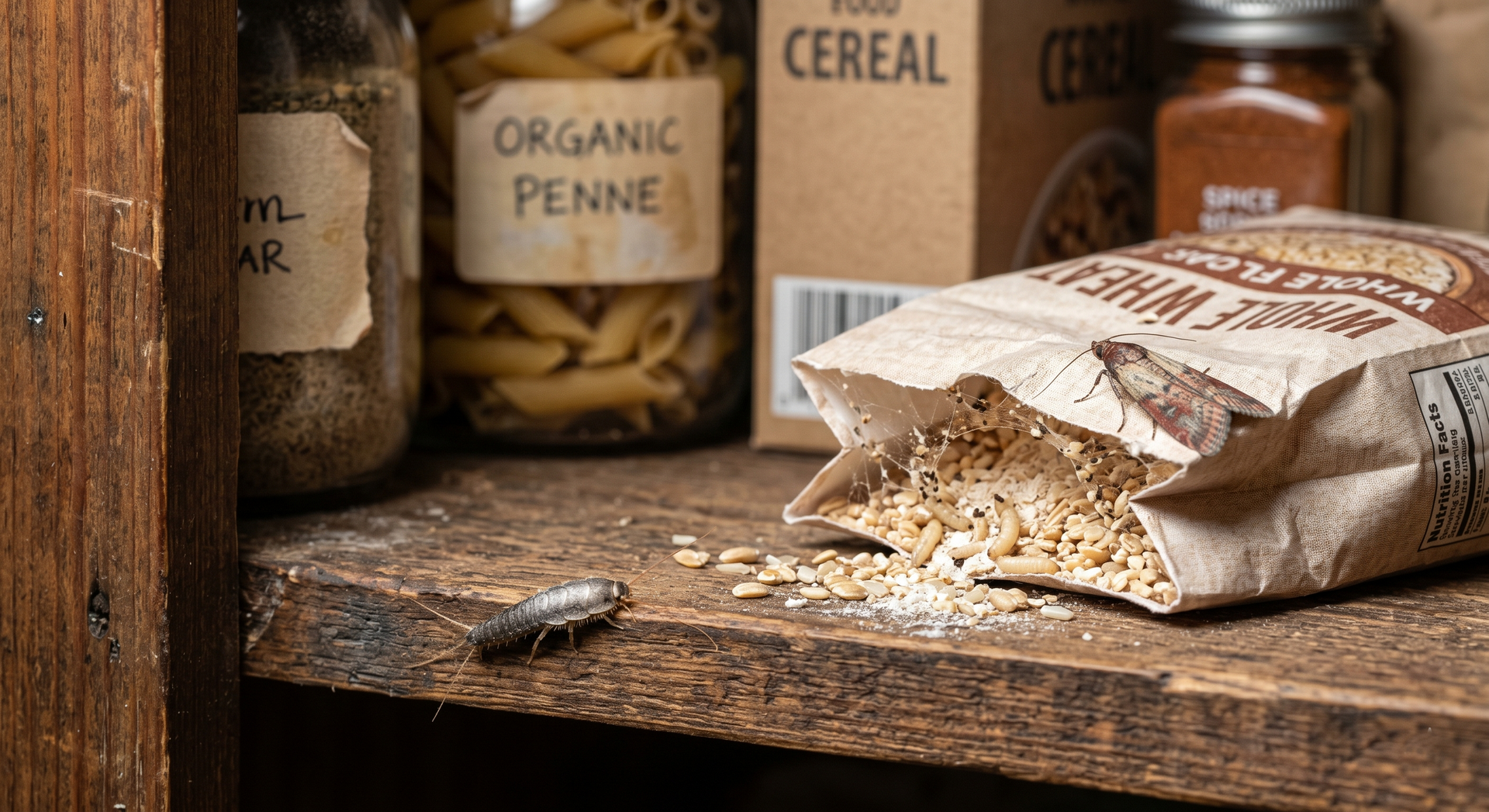
3. Leaving Food Accessible
Even tiny food particles attract pests.
Crumbs beneath appliances, grease buildup around the stove, pet food left out overnight, and overflowing trash cans provide consistent food sources for insects and rodents.
Some homeowners assume occasional crumbs aren't a problem, but ants and mice have incredibly sensitive senses of smell and can detect food long before people notice anything unusual.
Store dry goods in airtight containers, wipe down countertops daily, vacuum regularly, and clean beneath major appliances several times each year.
4. Storing Cardboard Boxes in Basements
Cardboard seems harmless, but many pests love it.
Rodents use cardboard for nesting material. Silverfish feed on the starches in cardboard. Cockroaches often hide between stacked boxes in quiet storage areas.
Instead of cardboard, store seasonal decorations, clothing, and keepsakes in sealed plastic containers with tight-fitting lids.
This simple change significantly reduces available hiding places.
5. Overgrown Landscaping
Your landscaping can either protect your home—or invite pests.
Bushes touching the siding allow ants and spiders to climb directly onto your house. Tree branches hanging over the roof provide access for squirrels, raccoons, and rodents.
Dense vegetation also traps moisture, creating ideal habitat for mosquitoes and other insects.
Keep shrubs trimmed several inches away from the home's exterior and prune tree limbs so they remain well clear of the roofline.
6. Firewood Stacked Against the House
During Rochester winters, many homeowners keep firewood close to the home for convenience.
Unfortunately, stacked firewood provides shelter for:
- Mice
- Carpenter ants
- Earwigs
- Spiders
- Termites
- Beetles
Whenever possible, store firewood at least twenty feet away from the house and elevate it off the ground.
Bring inside only the amount needed for immediate use.
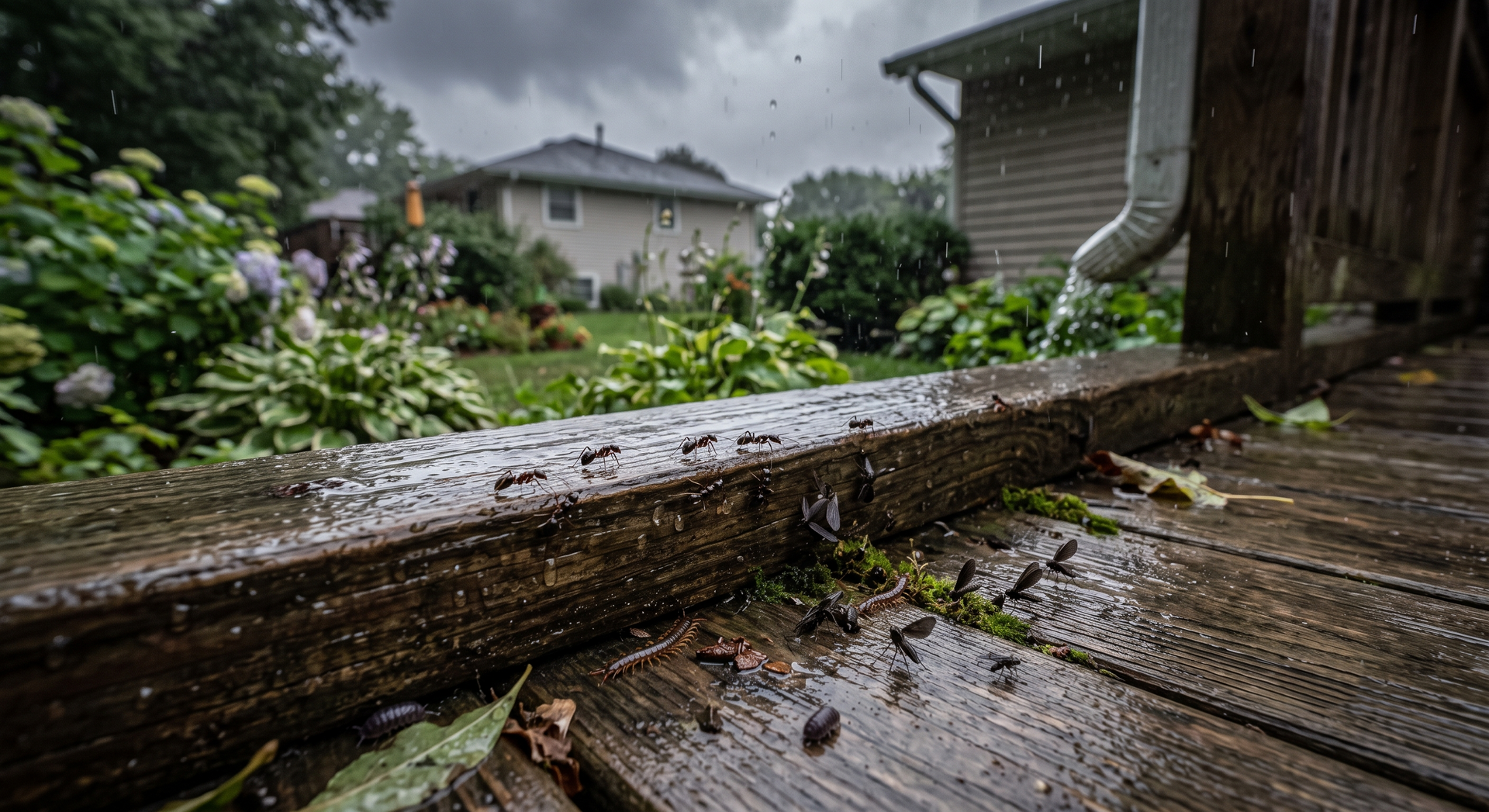
7. Clogged Gutters
Gutters filled with leaves and debris trap moisture throughout the year.
This standing water attracts mosquitoes while the damp organic material encourages carpenter ants and other moisture-loving insects.
Overflowing gutters may also direct water toward your foundation, increasing basement humidity.
Cleaning gutters twice each year is one of the easiest ways to reduce pest pressure around your home.
8. Poor Garbage Management
Outdoor garbage cans are magnets for pests.
Rodents, raccoons, skunks, yellow jackets, flies, and ants are all attracted to food waste.
Wash garbage containers regularly with soap and water.
Keep lids tightly closed and avoid allowing bags to sit beside the containers.
If possible, store trash bins away from exterior doors.
9. Bird Feeders Placed Too Close to the House
Bird feeders bring enjoyment to many homeowners, but spilled seed also attracts unwanted visitors.
Mice, rats, squirrels, chipmunks, raccoons, and even skunks are drawn to bird seed.
Place feeders away from the home's foundation and clean spilled seed frequently.
Using seed catchers beneath feeders can also reduce waste.
10. Delaying Small Repairs
Minor home repairs often become major pest entry points.
Loose siding, damaged roof shingles, broken vent covers, torn window screens, and rotting wood all provide opportunities for insects and wildlife.
Routine maintenance helps preserve your home while preventing pests from gaining access.
A spring and fall home inspection can identify many of these issues before they become expensive repairs.
11. Leaving Standing Water in the Yard
Mosquitoes require very little water to reproduce.
Common breeding sites include:
- Bird baths
- Children's toys
- Buckets
- Flower pots
- Clogged gutters
- Tarps
- Wheelbarrows
- Old tires
Empty standing water every few days during mosquito season.
For decorative ponds, maintain water circulation to discourage mosquito larvae.
12. Ignoring Early Warning Signs
Many infestations begin with subtle clues.
Homeowners may notice:
- A few ants on the counter
- One mouse dropping
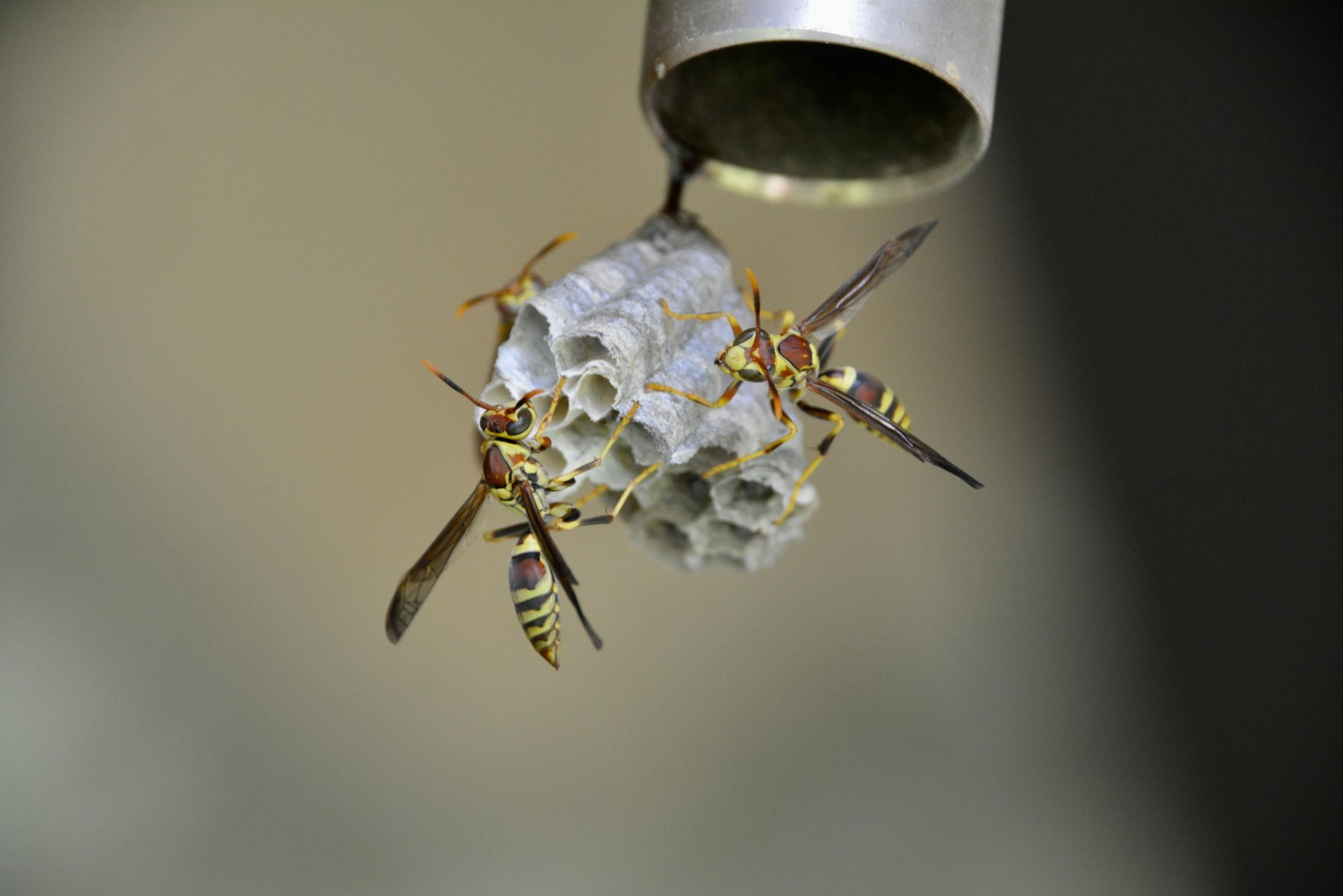
- A small wasp nest
- Light scratching sounds
- A spider web in the basement
Ignoring these early signs often allows pests to establish larger populations.
Addressing problems immediately almost always reduces treatment costs and prevents extensive infestations.
13. Feeding Pets Outdoors
Outdoor pet food attracts much more than pets.
Leaving bowls outside invites ants, flies, rodents, raccoons, skunks, and opossums.
Feed pets indoors whenever possible.
If outdoor feeding is necessary, remove bowls immediately afterward and clean the area thoroughly.
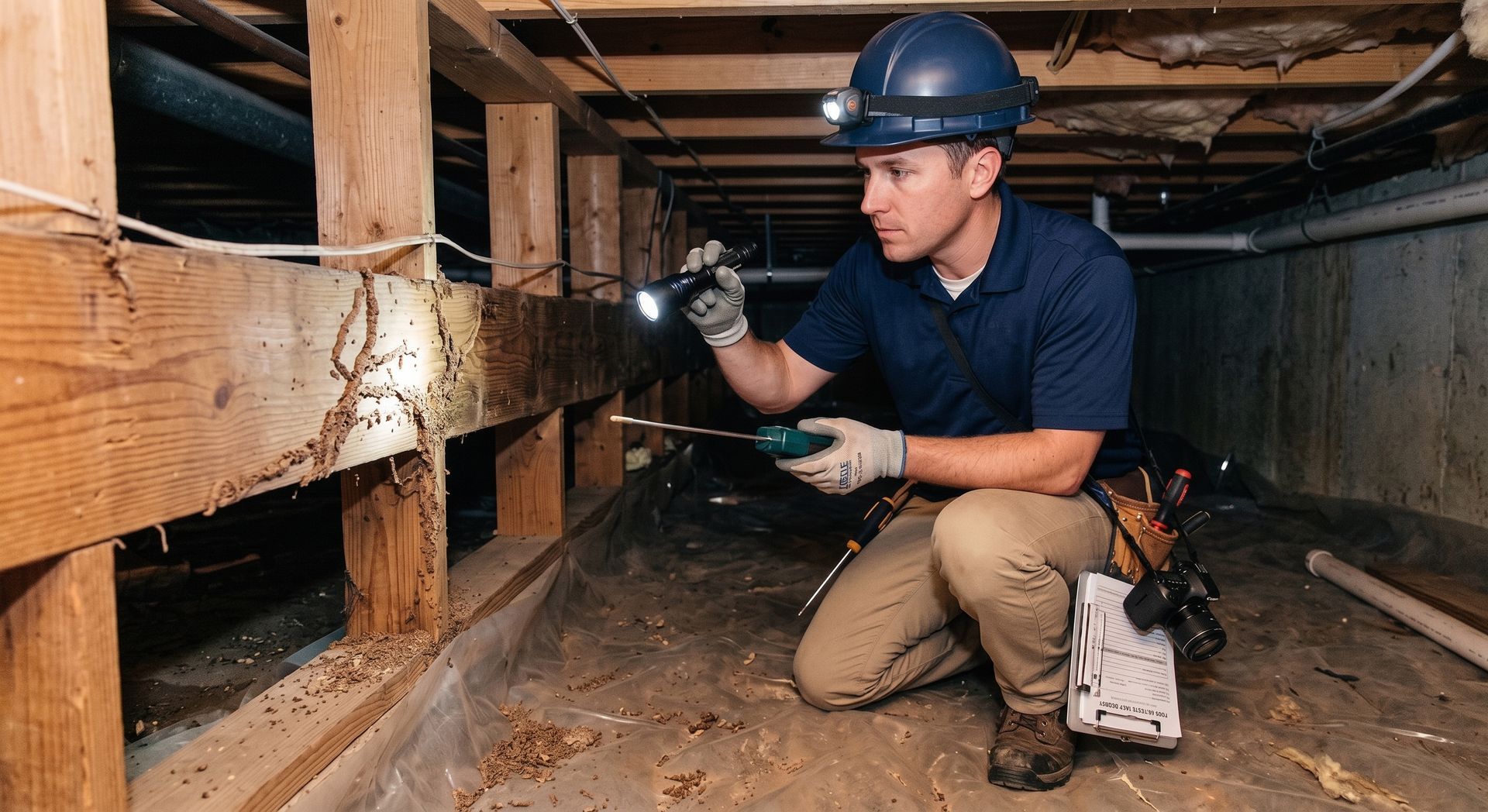
14. Skipping Regular Home Inspections
Many pest problems remain hidden until significant damage has occurred.
Rodents often live inside walls.
Carpenter ants tunnel inside damp wood.
Wasps build nests in attics.
Wildlife may occupy crawl spaces for months before being discovered.
Scheduling regular pest inspections allows problems to be identified before they become major infestations.
15. Waiting Too Long to Contact a Professional
One of the biggest mistakes homeowners make is assuming pest problems will resolve themselves.
Unfortunately, pests reproduce quickly.
A handful of ants can become thousands.
A pair of mice can produce dozens of offspring within months.
A small wasp nest can grow into a colony containing hundreds of insects by late summer.
Early professional intervention is often less expensive, less disruptive, and far more effective than waiting until the infestation becomes severe.
Why Prevention Is Always Better Than Elimination
Preventing pests is considerably easier than removing established infestations.
Professional pest prevention focuses on identifying vulnerabilities before pests take advantage of them. Combined with routine home maintenance, preventive services help homeowners avoid structural damage, food contamination, health concerns, and the stress that accompanies major infestations.
Many Rochester homeowners find that seasonal inspections provide peace of mind throughout the year, especially if their property borders wooded areas, farmland, or bodies of water where pest activity tends to be higher.
Frequently Asked Questions
Can a clean house still get pests?
Yes. Even spotless homes can attract pests if they provide moisture, shelter, or easy entry points. Cleanliness helps reduce risk but does not eliminate it entirely.
What attracts rodents the most?
Food availability, warm shelter, cluttered storage areas, and unsealed entry points are the biggest factors attracting mice and rats.
When should I schedule a pest inspection?
Spring and fall are excellent times for preventive inspections because they coincide with seasonal changes in pest activity. However, any time you notice signs of pests is the right time to have your home evaluated.
Protect Your Home Before Pests Move In
Most pest infestations begin with a few simple conditions that homeowners may not even realize exist. By correcting these common issues and staying proactive with home maintenance, you can significantly reduce the likelihood of unwanted insects and rodents invading your property.
If you've noticed signs of pest activity or would like the reassurance of a professional inspection, RPM Pest Control Management LLC proudly serves homeowners throughout Rochester and Monroe County with customized pest management solutions. Whether you're dealing with ants, rodents, spiders, wasps, mosquitoes, bed bugs, wildlife, or seasonal nuisance pests, our experienced team provides reliable service designed to keep your home protected throughout the year.
To schedule an inspection or learn more about our residential pest control services, call
(585) 301-5811 or visit
https://www.rpmpestcontrolmanagement.com/contact.