
Seasonal Pest Prevention in Rochester: How to Protect Your Home Year-Round
How to Prevent Ants, Rodents, Insects, and Wildlife Year-Round with Smart Pest Prevention Strategies

Many homeowners think of pest control as a reaction to a problem—ants in the kitchen, mice in the walls, or wasps near the deck. In reality, the most effective pest control is proactive and seasonal. In Rochester and throughout Monroe County, pest pressures change dramatically throughout the year as weather conditions shift and pests adapt.
Cold winters drive rodents indoors. Wet springs bring ants and termites. Warm summers increase mosquitoes, wasps, and flies. Fall pushes wildlife and mice to seek shelter before temperatures drop. Understanding how pests behave seasonally allows homeowners to prevent infestations before they start, saving time, money, and stress.
This guide explains the most common seasonal pest threats in Rochester and outlines practical steps homeowners can take throughout the year to keep their homes protected.
Winter Pest Problems in Rochester Homes
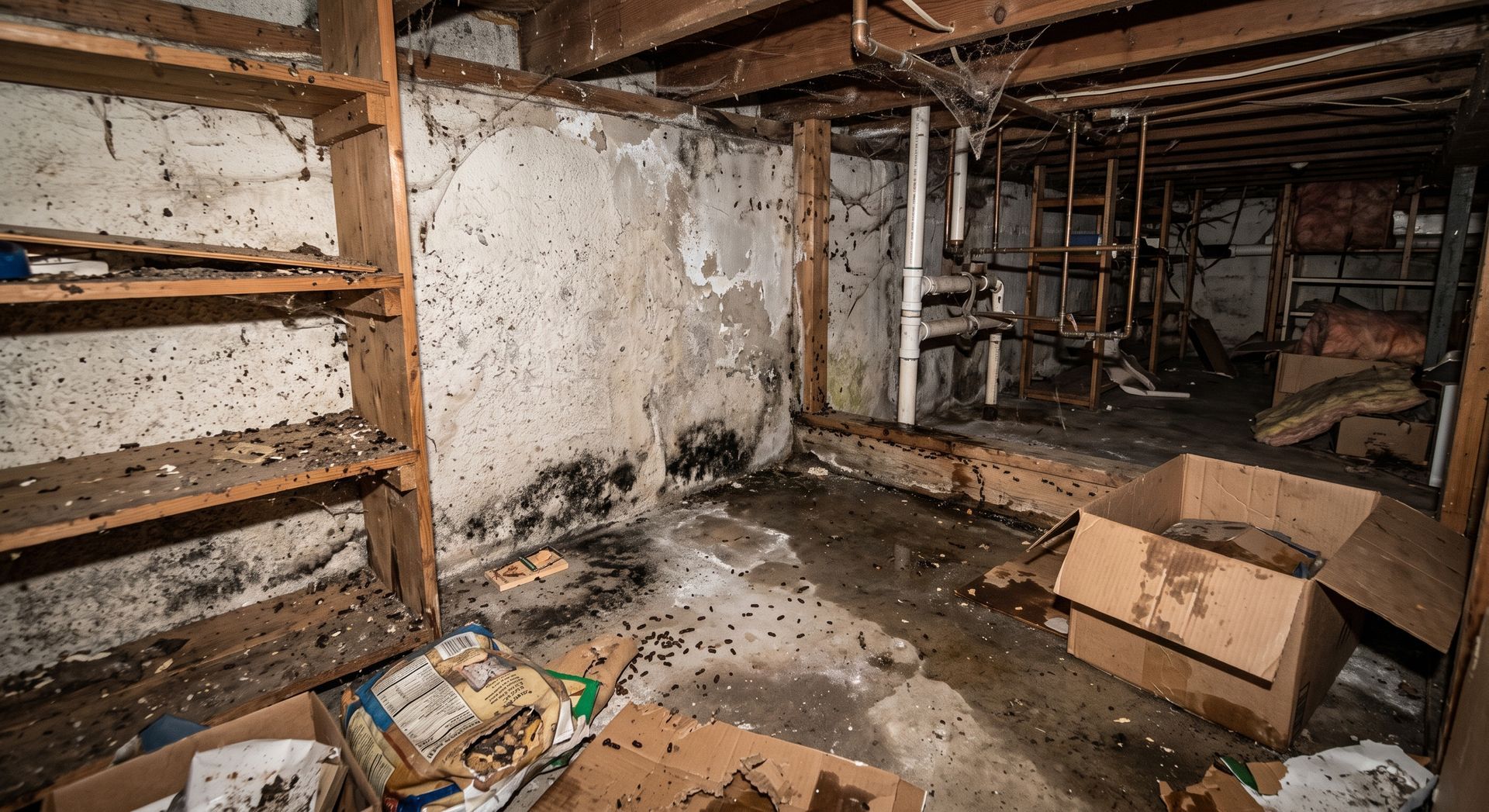
Winter may seem like a quiet time for pests, but it is one of the most critical seasons for prevention. As temperatures drop, rodents such as mice and rats search for warmth and food indoors. Homes provide ideal shelter, especially basements, attics, garages, and wall voids.
Once inside, rodents can remain active all winter long. They contaminate food, chew wiring, damage insulation, and reproduce quickly. Because activity often occurs behind walls, infestations may go unnoticed until they become severe.
Winter is also when pests that entered earlier in the year continue to survive indoors. Cockroaches, spiders, and stored product pests remain active inside heated homes even when outdoor activity slows.
Preventive steps during winter include sealing entry points, storing food in airtight containers, reducing clutter, and scheduling inspections to identify rodent activity early.
Spring Pest Activity and Why It Increases
Spring brings a surge in pest activity across Monroe County. Rising temperatures and increased moisture create ideal conditions for many insects.
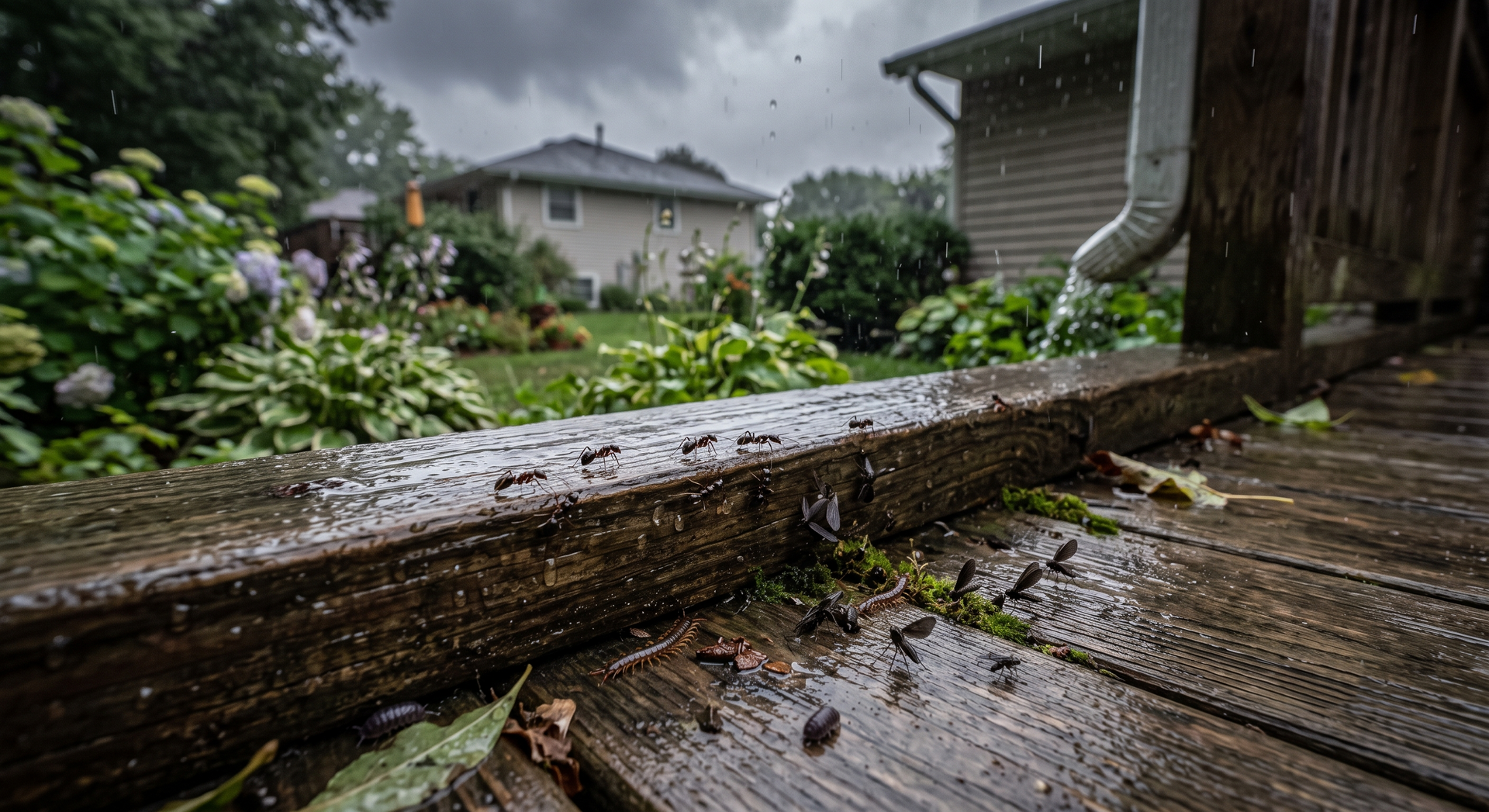
Ants become especially active as spring rains flood outdoor nests, forcing colonies indoors. Termites also begin to swarm, searching for new nesting sites. Carpenter bees emerge and begin drilling into exposed wood.
Spring is also when overwintering pests reappear. Spiders, boxelder bugs, and stink bugs that sheltered inside walls or attics during winter may become visible.
This is a critical time for inspections and early treatment. Addressing problems in spring prevents them from becoming widespread infestations later in the year.
Summer Pest Pressures in Monroe County
Summer is peak pest season in Rochester. Warm temperatures accelerate insect reproduction, and outdoor activity increases interactions between people and pests.
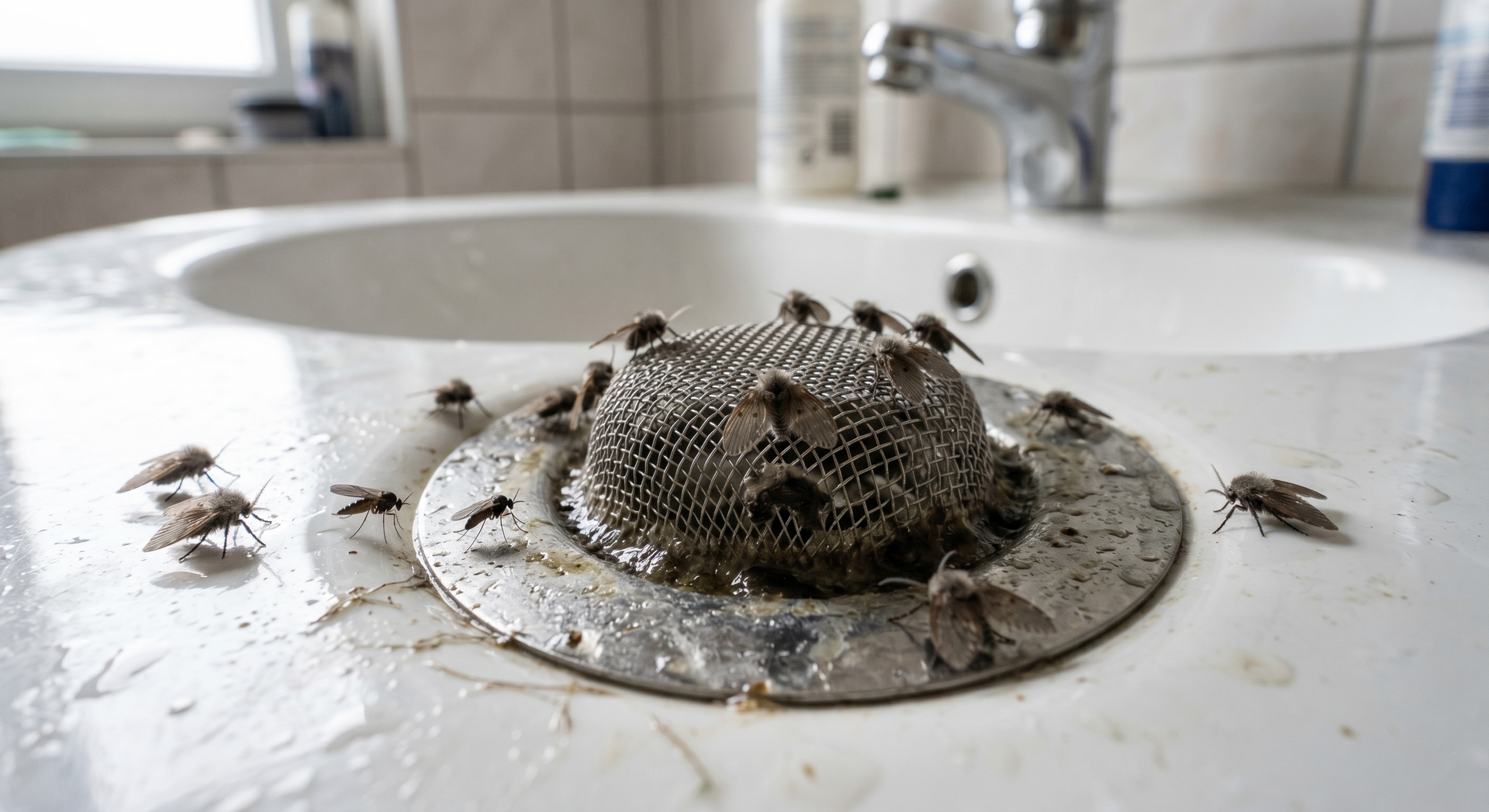
Mosquitoes thrive in standing water left by summer storms. Wasps and hornets build nests near homes, decks, and sheds. Flies and gnats become common around trash, food, and moisture.
Outdoor gatherings, open doors, and outdoor lighting attract insects inside. Wildlife activity also increases, with raccoons, squirrels, and skunks frequently targeting attics, sheds, and crawl spaces.
Preventive measures during summer include managing standing water, securing trash bins, sealing doors and windows, trimming vegetation, and addressing nests early before they grow larger.
Fall Pest Behavior and Home Invasions
Fall is one of the most important seasons for pest prevention. As temperatures begin to drop, many pests seek indoor shelter to survive winter.
Mice and rats are especially active in fall, entering homes through small gaps around foundations, vents, and utility lines. Spiders move indoors, following insect activity. Stink bugs and boxelder bugs may cluster around sunny exterior walls before entering structures.
Wildlife such as squirrels and raccoons may attempt to nest in attics or chimneys before cold weather sets in. Once winter arrives, these animals are difficult to remove without professional help.
Fall prevention focuses on exclusion—sealing entry points, repairing damaged siding or vents, and addressing vulnerabilities before pests settle in.
Why Seasonal Pest Prevention Works Better Than Reactive Treatment
Waiting until pests are visible often means the infestation is already established. Seasonal prevention focuses on reducing attractants, blocking entry points, and addressing pest pressures before they escalate.
Preventive treatments create barriers that stop pests from entering the home in the first place. Regular inspections identify small issues early, when they are easier and less expensive to fix.
Homes that follow seasonal pest prevention plans experience fewer infestations, reduced need for emergency treatments, and better long-term protection.
Common Entry Points Homeowners Overlook
Many pests enter through areas homeowners rarely inspect. Small gaps around utility lines, vents, and pipes are common access points. Damaged door sweeps, loose siding, and cracked foundations also provide easy entry.
Attics and rooflines are frequently overlooked, yet they are prime entry points for rodents, birds, and insects. Chimneys without proper caps invite wildlife and insects alike.
Regular inspections of these areas help catch vulnerabilities before pests exploit them.
How Landscaping Affects Pest Activity
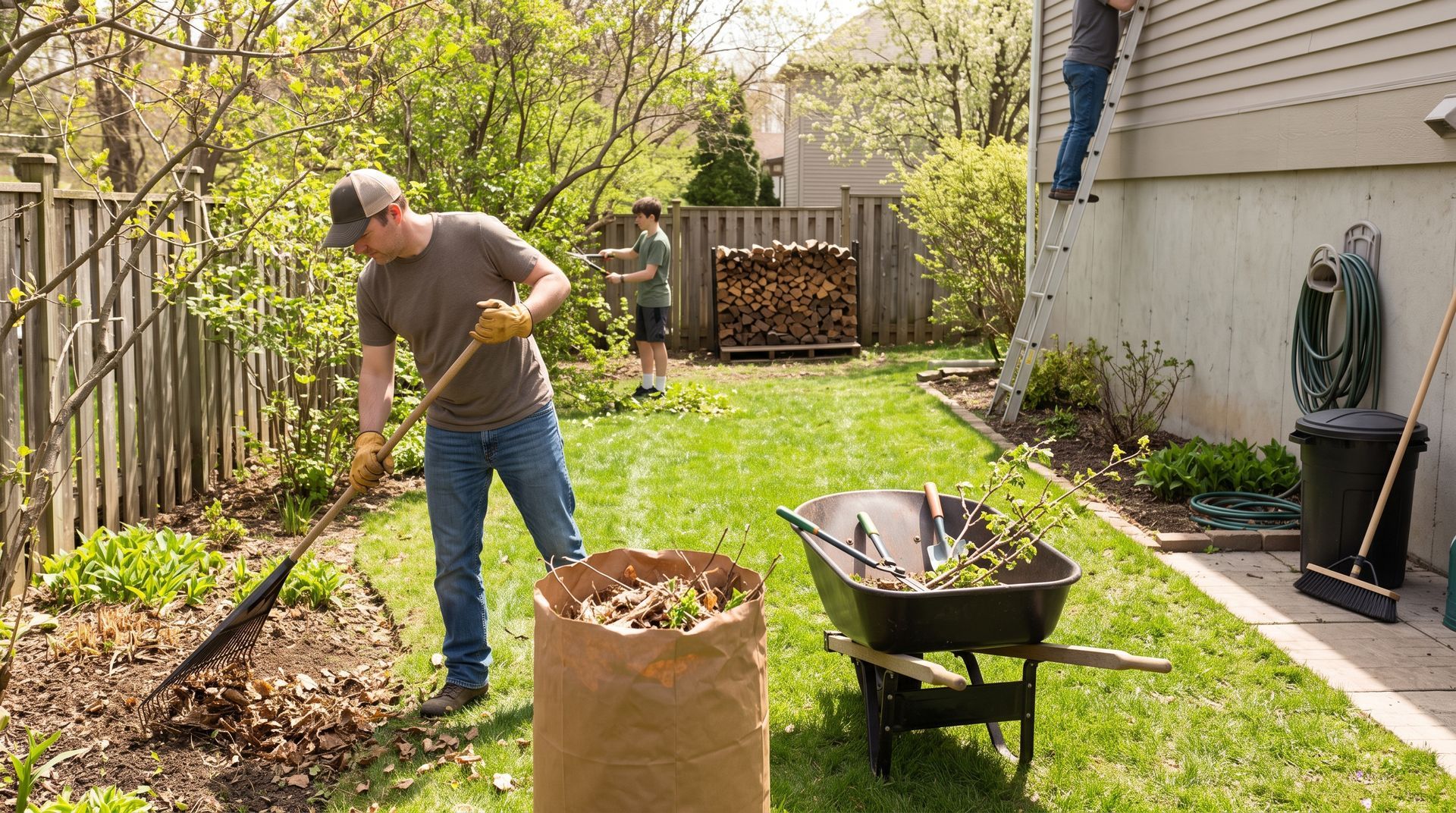
Outdoor conditions play a major role in indoor pest problems. Overgrown vegetation, mulch piled against foundations, and firewood stored near homes create ideal habitats for pests.
Shrubs and tree branches touching the home act as bridges for insects and rodents. Standing water in gutters, birdbaths, or low areas attracts mosquitoes.
Simple landscaping adjustments can significantly reduce pest pressure and support indoor prevention efforts.
Professional Pest Prevention and Ongoing Protection
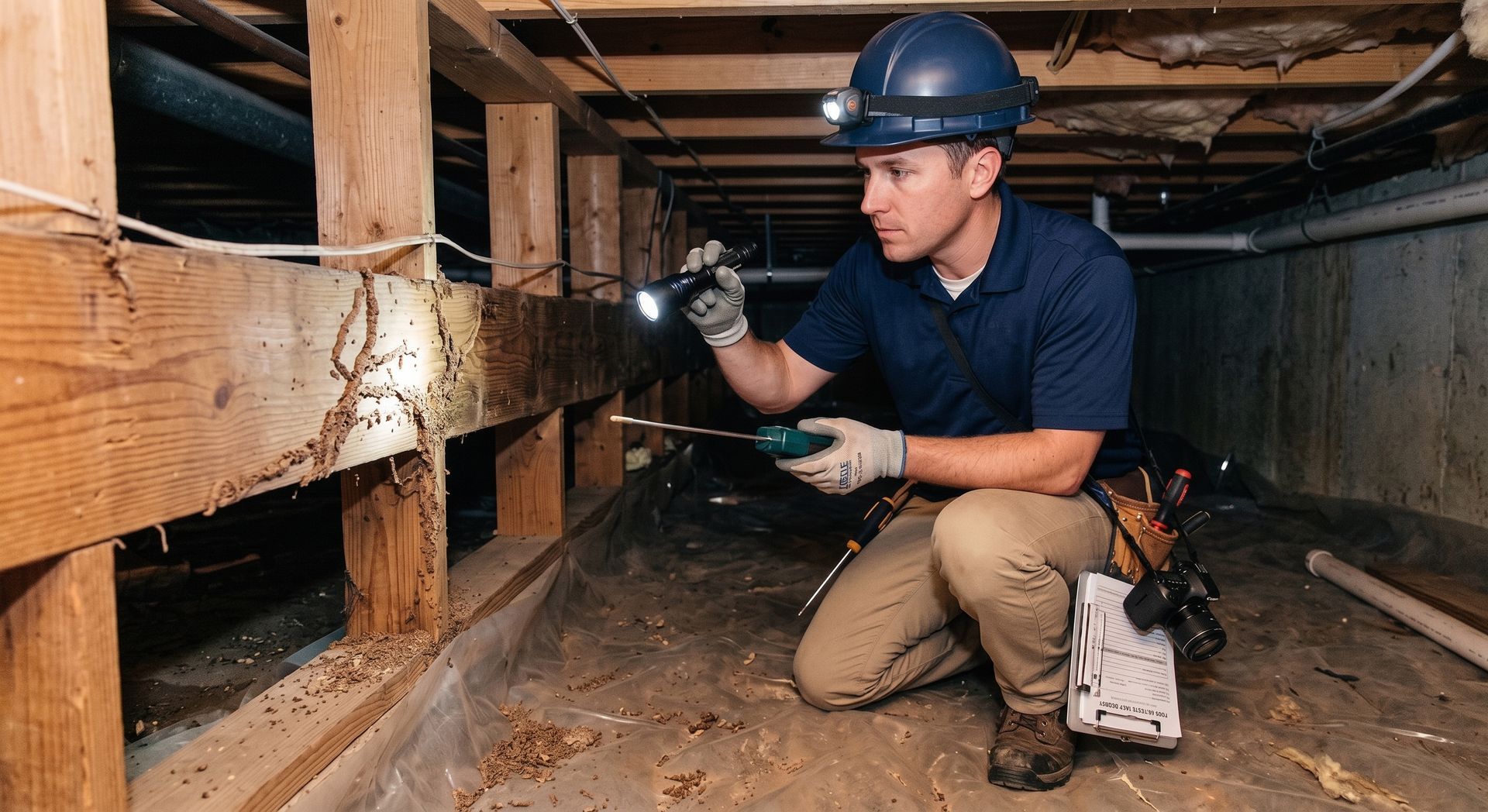
Professional pest prevention combines inspections, targeted treatments, and expert recommendations. Seasonal services adapt to changing pest pressures throughout the year.
Rather than relying on one-time treatments, ongoing prevention provides consistent protection. This approach is especially beneficial for homes with previous infestations, older construction, or proximity to wooded areas or water.
Professional monitoring ensures that small issues are addressed before they become major problems.
FAQs
Is year-round pest control necessary in Rochester?
Yes. Different pests are active in different seasons, and ongoing prevention provides the most reliable protection.
Can seasonal treatments reduce emergency pest problems?
Absolutely. Preventive treatments significantly reduce the likelihood of sudden infestations.
Are seasonal pest services safe for families and pets?
Yes. Treatments are applied strategically using products designed for residential safety when used properly.
Final Thoughts
Pest problems in Rochester are not random—they follow predictable seasonal patterns. Understanding these patterns allows homeowners to stay ahead of infestations instead of constantly reacting to them.
With a seasonal approach to pest prevention, homeowners can protect their property, maintain comfort, and avoid the stress of recurring pest problems year after year.