
Spring Pest Prevention Checklist for Rochester Homeowners
A Rochester Homeowner’s Spring Pest Prevention Checklist

After a long Rochester winter, spring is a welcome change. Warmer temperatures, blooming landscapes, and longer days encourage homeowners to spend more time outdoors and begin home maintenance projects. Unfortunately, spring also marks the beginning of the busiest pest season of the year.
As temperatures rise throughout Monroe County, insects, rodents, and nuisance wildlife become increasingly active. Many pests that survived the winter begin searching for food, water, and nesting sites, while others emerge to reproduce. Homes that appear perfectly maintained can suddenly experience ants in the kitchen, carpenter bees around the deck, rodents in the garage, or wasps beginning to build nests under roof overhangs.
The good news is that spring is also the best time to prevent pest problems before they become expensive infestations. Taking a proactive approach now can help you avoid damage to your home, reduce health risks, and minimize the need for emergency pest treatments later in the year.
This guide provides a comprehensive spring pest prevention checklist specifically designed for homeowners in Rochester and throughout Monroe County.
Why Spring Is the Most Important Season for Pest Prevention
Winter forces many pests into survival mode. Some spend the colder months hidden inside wall voids, attics, basements, or crawl spaces. Others overwinter outdoors beneath leaves, tree bark, mulch, or underground.
Once daytime temperatures consistently rise above freezing, these pests become active almost simultaneously.
Ant colonies begin expanding.
Carpenter bees search for untreated wood to build nests.
Mosquitoes begin breeding in standing water.
Wasps start constructing new nests.
Spiders become more active as insect populations increase.
Rodents that spent winter indoors begin searching for new food sources while breeding activity increases.
Stopping these pests early is much easier than eliminating established infestations during the summer.
Inspect Your Home's Exterior
Your home's exterior is the first line of defense against pests.
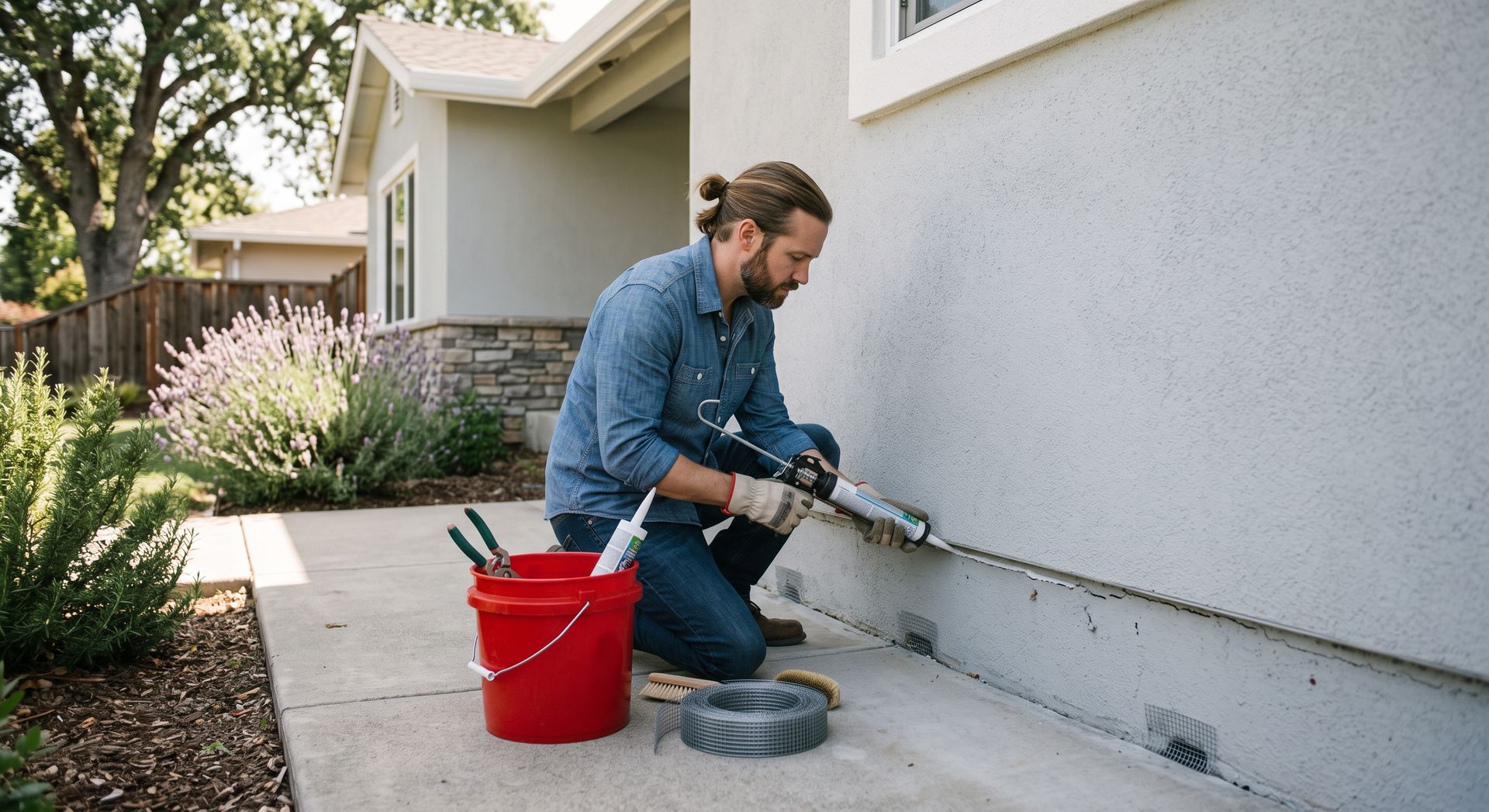
Walk slowly around the entire property and carefully inspect the foundation.
Look for:
- Cracks in concrete
- Gaps around utility pipes
- Loose siding
- Damaged brick mortar
- Missing weather stripping
- Torn window screens
- Openings around cable lines
- Damaged vent covers
Remember that mice only need an opening about the size of a dime to enter a home.
Seal small cracks with quality exterior caulk and repair damaged materials before pests begin using them as entry points.
Check the Roof and Gutters
Many homeowners overlook their roof during pest inspections.
Damaged roofing materials allow insects and wildlife to enter attic spaces unnoticed.
Inspect for:
- Missing shingles
- Loose flashing
- Open soffits
- Damaged fascia boards
- Gaps around roof vents
- Chimney openings
Clean gutters thoroughly.
Leaves and debris trap moisture, creating breeding sites for mosquitoes while encouraging carpenter ants and wood-decaying fungi.
Ensure downspouts direct water away from your home's foundation.
Eliminate Standing Water
Mosquitoes require very little water to reproduce.
Even a bottle cap filled with water can become a breeding site.
Walk around your property after rainfall and empty water from:
- Bird baths
- Flower pot saucers
- Children's toys
- Buckets
- Wheelbarrows
- Tarps
- Outdoor furniture
- Old tires
- Clogged gutters
If you have decorative ponds, maintain proper circulation to discourage mosquito larvae.
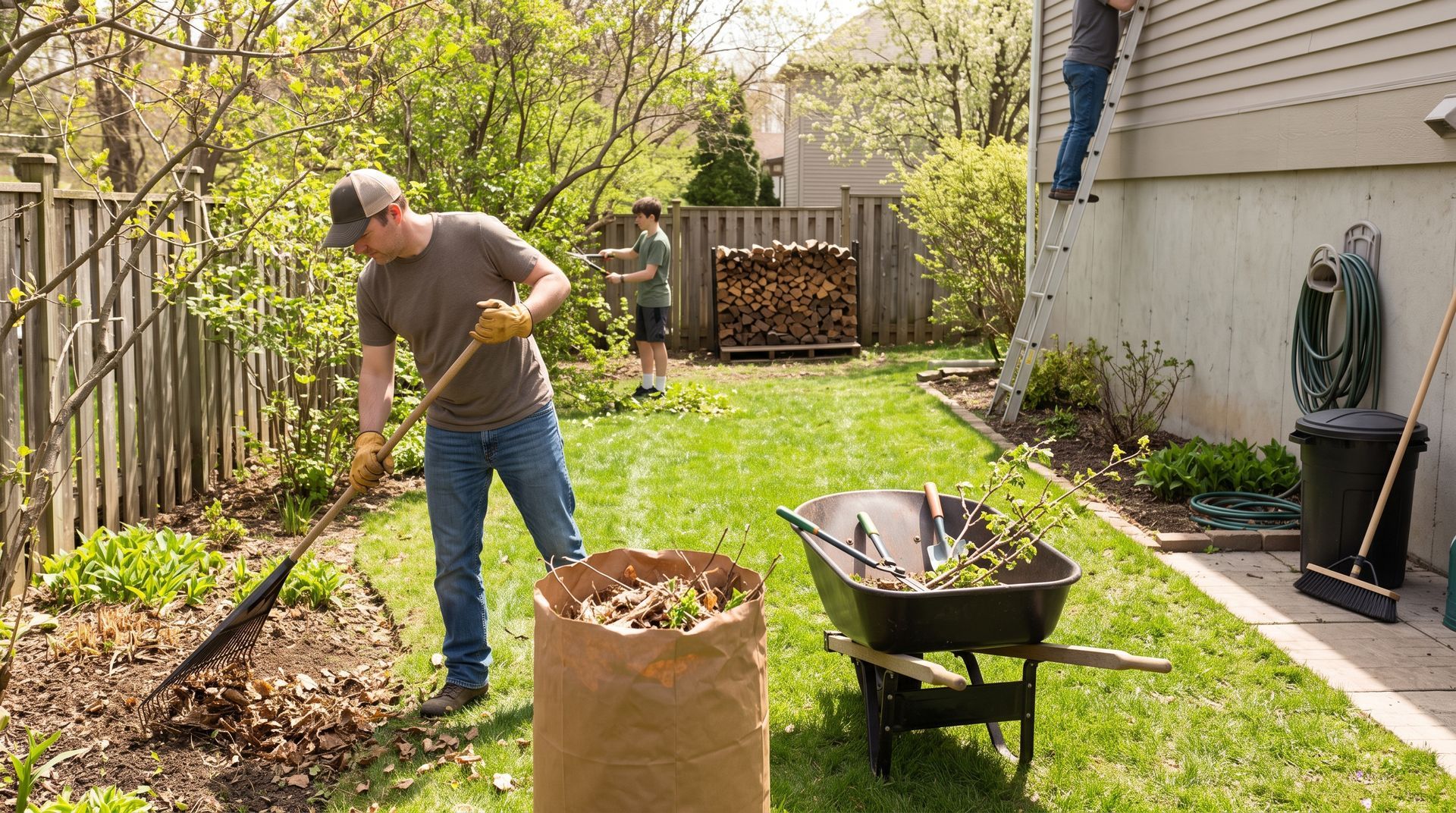
Trim Trees and Shrubs
Vegetation touching your home provides pests with convenient highways.
Trim:
- Tree branches away from the roof
- Bushes away from siding
- Groundcover away from foundations
This simple maintenance step helps reduce access for:
- Ants
- Carpenter ants
- Rodents
- Spiders
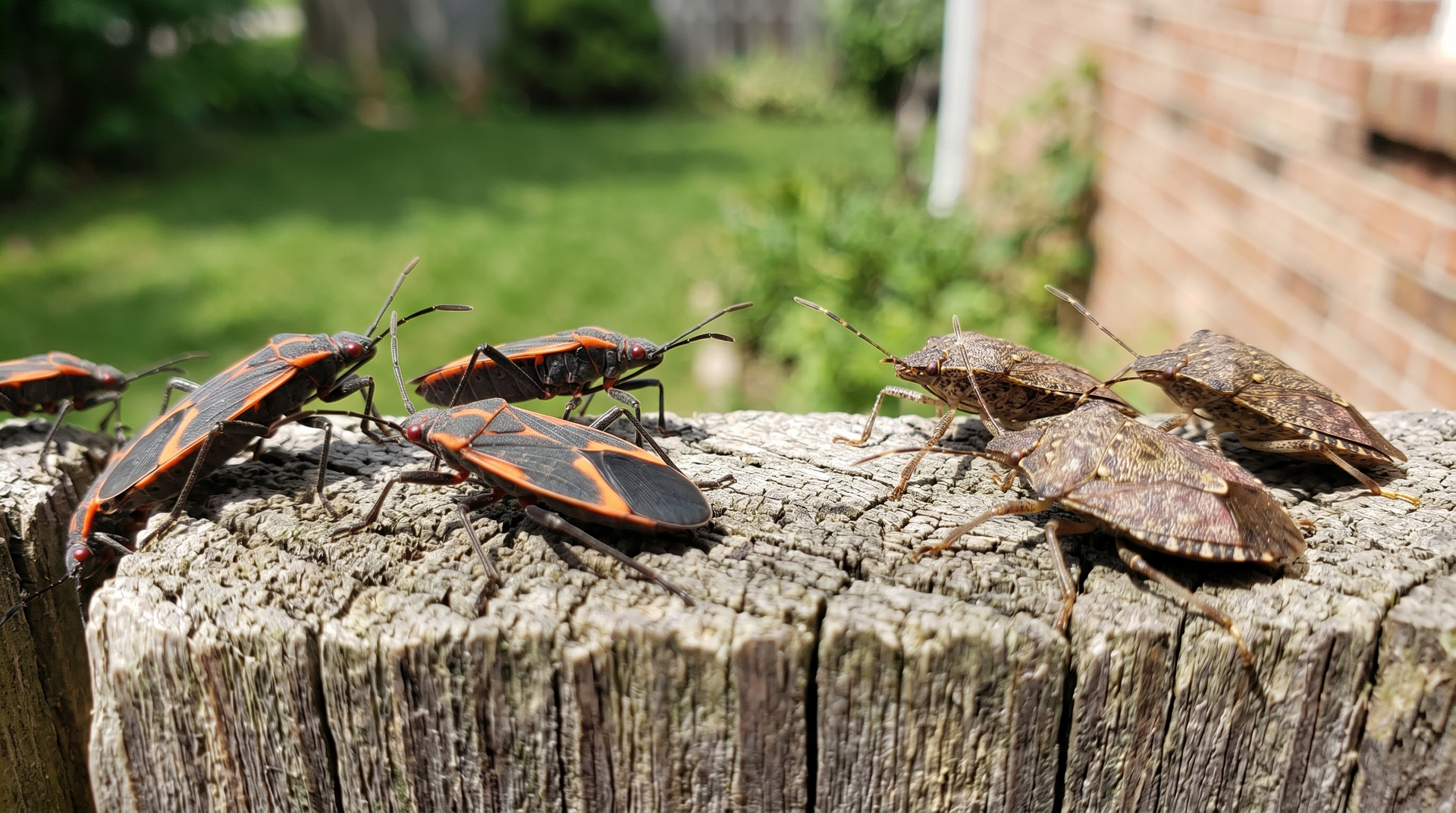
- Stink bugs
- Boxelder bugs
Improved airflow also helps reduce moisture buildup around the home.
Refresh Mulch Carefully
Fresh mulch improves landscaping, but too much mulch creates ideal pest habitat.
Keep mulch:
- Two to three inches deep
- At least six inches away from the home's foundation
Excessive mulch retains moisture and attracts ants, earwigs, termites, and other insects.
Store Firewood Properly
Many homeowners leave firewood stacked directly against the house after winter.
This creates shelter for:
- Mice
- Carpenter ants
- Spiders
- Termites
- Earwigs
Move firewood at least twenty feet away from your home whenever possible.
Keep stacks elevated off the ground.
Inspect Decks and Wooden Structures
Spring is the perfect time to inspect outdoor wood.
Check:
- Deck boards
- Railings
- Pergolas
- Gazebos
- Fences
- Sheds
Look for:
- Small round carpenter bee holes
- Soft or rotting wood
- Carpenter ant activity
- Moisture damage
Painting or sealing exposed wood helps discourage carpenter bees from nesting.
Examine Your Foundation for Ant Activity
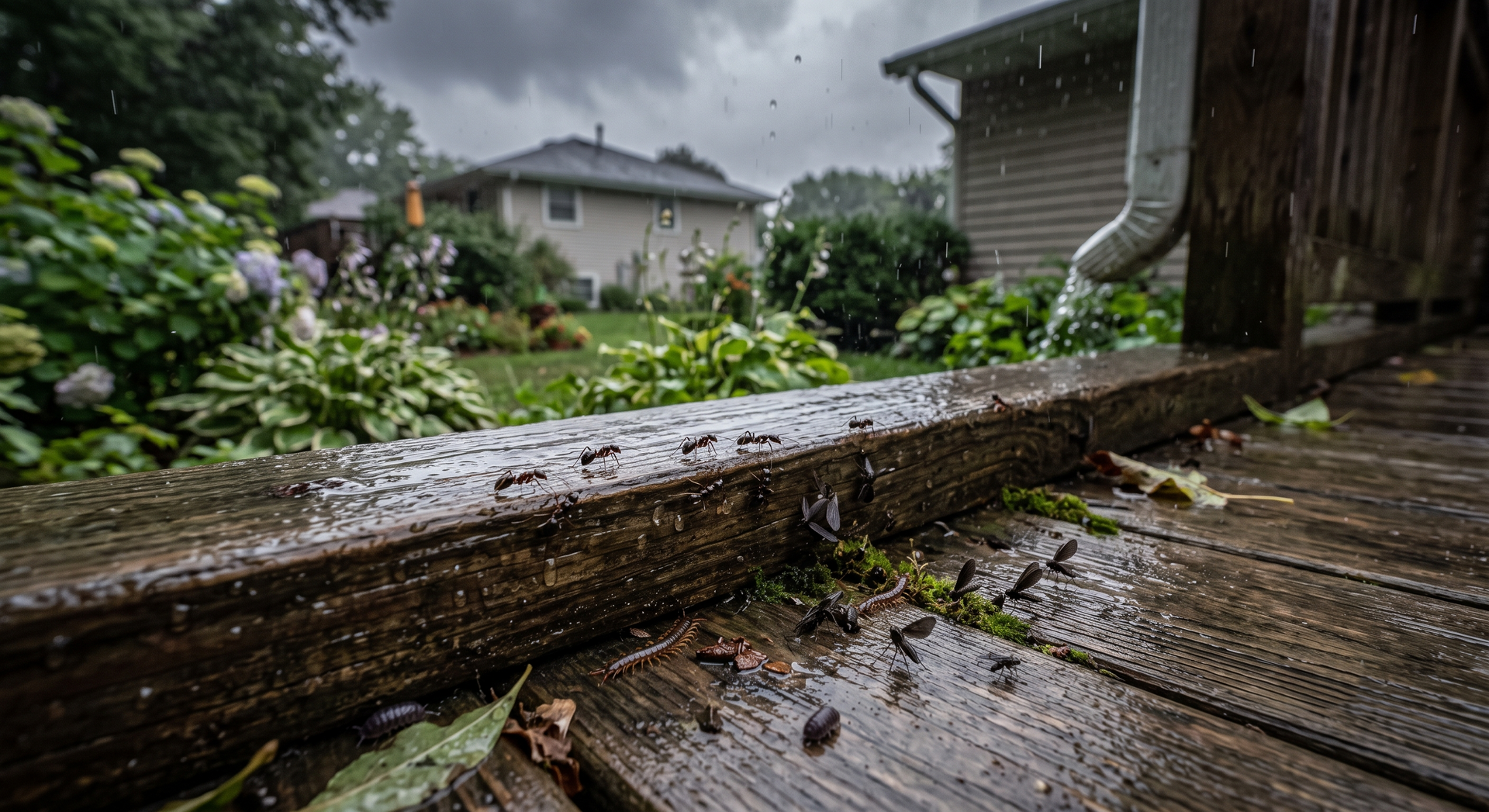
Spring is when many homeowners first notice ant trails.
Inspect:
- Sidewalk edges
- Driveways
- Foundation walls
- Landscaping borders
Small ant colonies outside often become indoor infestations later.
Early treatment prevents colonies from expanding.
Clean the Garage
Garages often become pest havens during winter.
Remove clutter.
Sweep corners.
Inspect cardboard boxes.
Store seasonal decorations in sealed plastic containers instead of cardboard.
Look for signs of mice including:
- Droppings
- Nesting material
- Gnaw marks
Replace worn garage door seals if light is visible underneath.
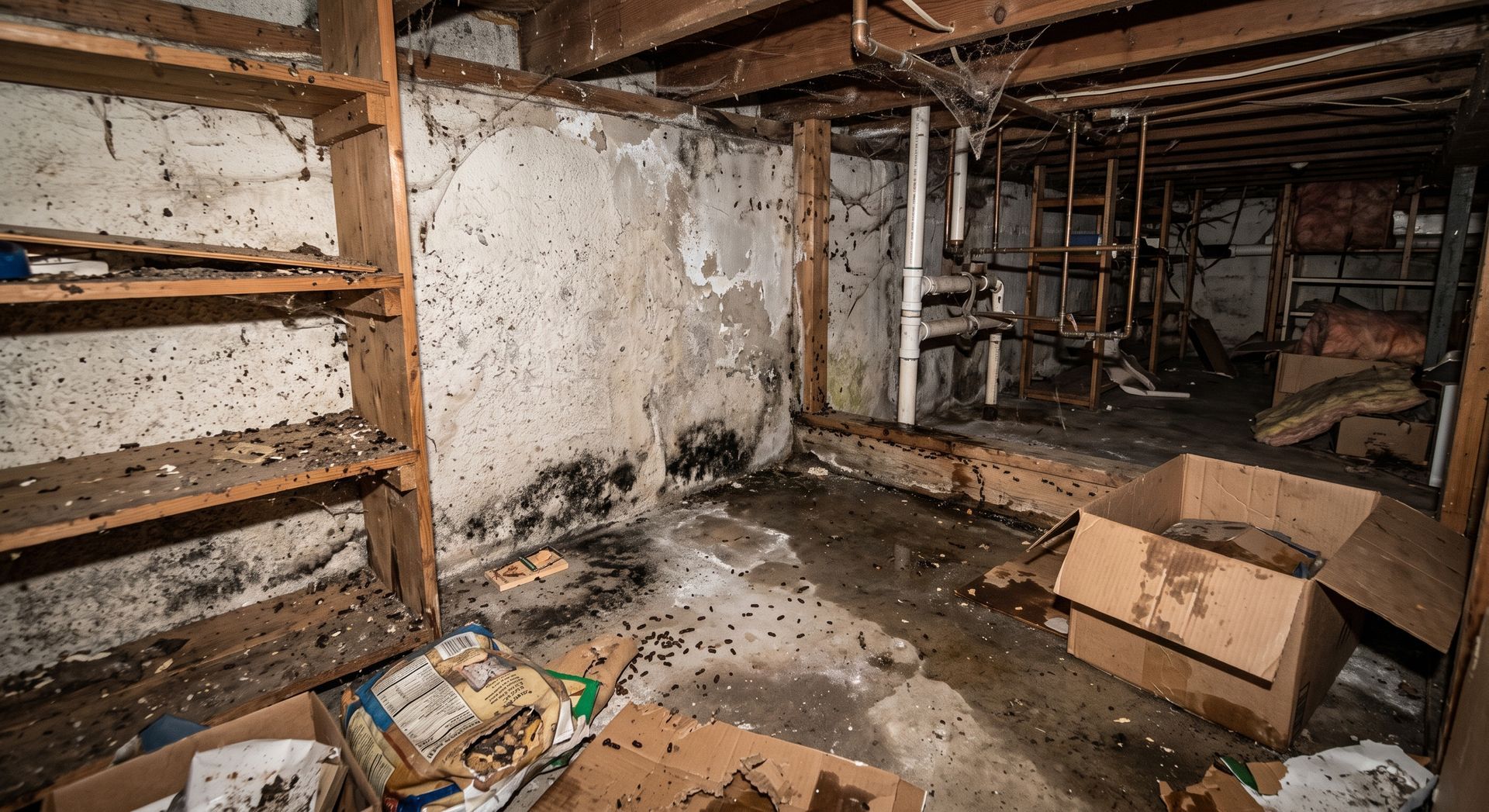
Organize the Basement
Basements naturally stay cooler and more humid than the rest of the home.
Inspect for:
- Water leaks
- Condensation
- Mold
- Silverfish
- Spiders
- Rodent activity
Running a dehumidifier helps create conditions that are less attractive to many pests.
Inspect Your Attic
Many homeowners rarely enter the attic.
Spring is an excellent time to look for:
- Wildlife nests
- Chewed insulation
- Droppings
- Water damage
- Open vents
- Damaged screens
Finding problems early prevents larger infestations later.
Protect Pet Food
Outdoor pet food attracts:
- Ants
- Rodents
- Raccoons
- Skunks
Feed pets indoors whenever possible.
Store pet food in airtight containers.
Clean food bowls promptly after use.
Keep Trash Areas Clean
Garbage attracts numerous pests.
Wash garbage containers regularly.
Keep lids tightly closed.
Avoid allowing food waste to accumulate around outdoor bins.
If possible, position trash containers away from entry doors.
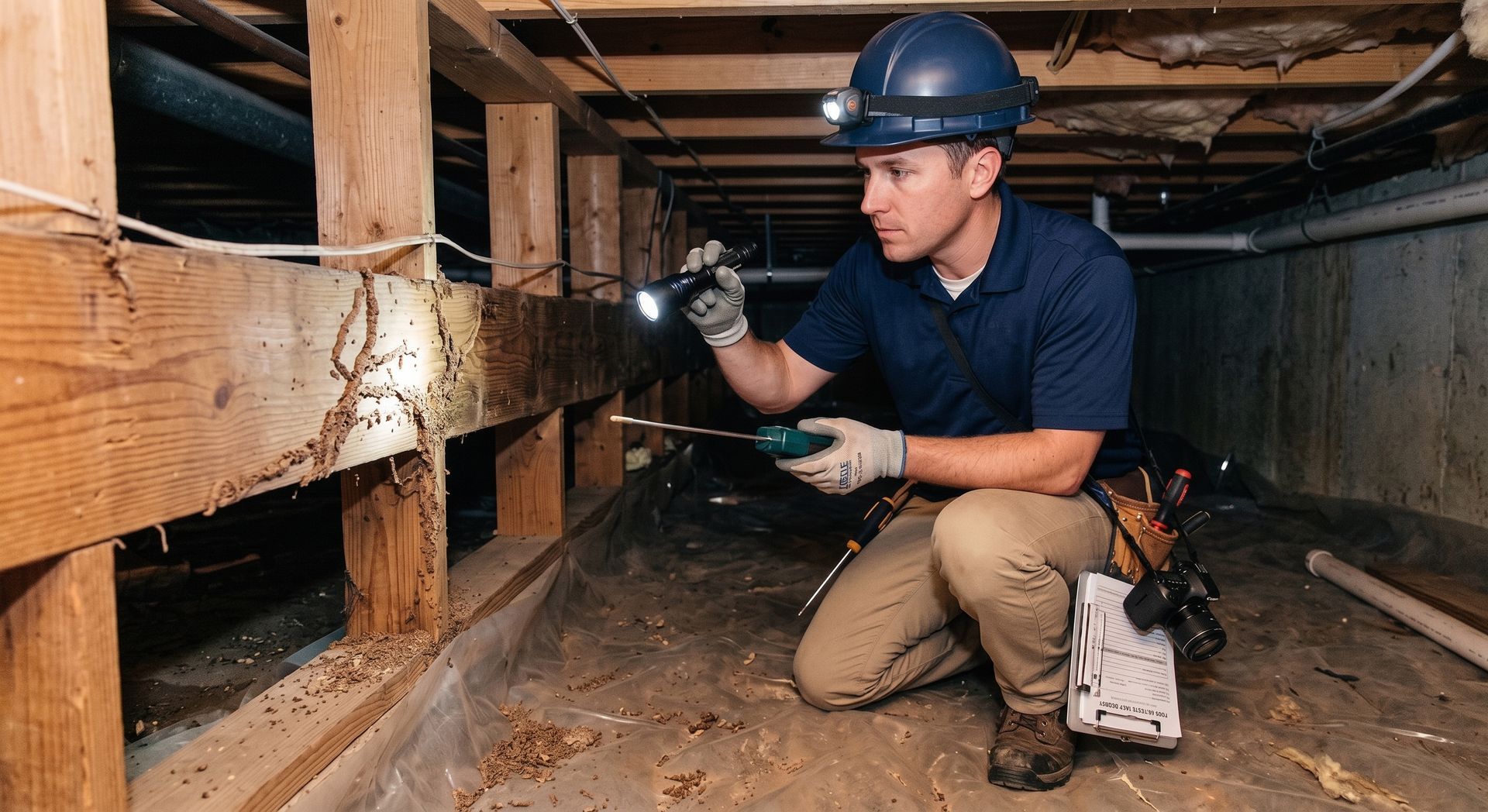
Schedule a Professional Spring Inspection
Even diligent homeowners can miss early warning signs.
Professional inspections often identify:
- Hidden rodent entry points
- Developing carpenter ant colonies
- Early termite activity
- Wasp nesting sites
- Moisture conditions encouraging pests
Addressing problems early almost always reduces treatment costs and prevents extensive property damage.
Why Preventive Pest Control Saves Money
Emergency pest treatments typically occur after infestations have become established.
Preventive maintenance helps avoid:
- Structural repairs
- Damaged insulation
- Food contamination
- Wildlife cleanup
- Repeated insect treatments
Seasonal prevention is often significantly less expensive than repairing damage caused by pests that were allowed to multiply.
FAQs
When should spring pest prevention begin?
Ideally, inspections and preventive maintenance should begin in late March or early April, before insect activity reaches its peak.
Can I prevent pests without pesticides?
Many prevention techniques focus on exclusion, sanitation, moisture control, and landscaping improvements. These measures greatly reduce pest pressure and complement professional treatments when necessary.
How often should my home be professionally inspected?
Most Rochester homeowners benefit from an annual inspection. Homes with previous infestations, older construction, or wooded surroundings may benefit from seasonal inspections.
Protect Your Rochester Home This Spring
Spring is the ideal time to stop pest problems before they begin. By inspecting your property, reducing moisture, sealing entry points, and maintaining your landscaping, you can dramatically reduce the likelihood of infestations throughout the rest of the year.
If you've already noticed signs of ants, rodents, carpenter bees, mosquitoes, spiders, or other pests, don't wait for the problem to grow. RPM Pest Control Management LLC provides professional residential pest control services throughout Rochester and Monroe County. Our experienced team offers thorough inspections, customized treatment plans, and preventative solutions designed to protect your home during every season.
To schedule an inspection or learn more about our residential pest control services, call
(585) 301-5811 or visit
https://www.rpmpestcontrolmanagement.com/contact.