
Wasp and Hornet Control in Rochester: How to Remove Nests Safely and Prevent Stings
How to Remove Nests of Wasps and Hornets Safely and Prevent Stings

Wasps and hornets are among the most intimidating pests homeowners encounter, especially during the warmer months in Rochester and across Monroe County. Their aggressive behavior, painful stings, and tendency to build nests close to homes make them a serious safety concern for families, pets, and visitors. Unlike bees, which are generally non-aggressive and beneficial pollinators, wasps and hornets will aggressively defend their nests if they feel threatened.
Many homeowners discover nests under eaves, inside sheds, near decks, or even within wall voids. Attempting to remove these nests without proper equipment or experience can lead to multiple stings and dangerous situations. This guide explains why wasps and hornets are common in Rochester, how to identify nesting activity, why do-it-yourself removal is risky, and how professional control protects homes safely and effectively.
Why Wasps and Hornets Are Common in Rochester
Rochester’s climate provides ideal seasonal conditions for stinging insects. Wasp and hornet activity typically begins in late spring as queens emerge from overwintering sites and begin building nests. By mid to late summer, colonies can grow to hundreds or even thousands of individuals.
Residential neighborhoods offer abundant nesting locations and food sources. Eaves, soffits, decks, fences, sheds, and attic vents provide sheltered areas for nest construction. Open garbage bins, outdoor food, fruit trees, and sugary drinks attract worker wasps searching for food.
As summer progresses, wasps become more aggressive. Food becomes scarce, colonies grow overcrowded, and defensive behavior increases. This is why stings are most common in late summer and early fall.
Common Wasps and Hornets Found in Monroe County
Several stinging insect species are commonly found around Rochester homes, and identifying them helps determine the safest removal approach.
Yellow jackets are among the most aggressive. They often build nests underground, inside wall voids, or near foundations. Yellow jackets are highly defensive and can sting repeatedly, making them especially dangerous near children and pets.
Paper wasps build umbrella-shaped nests under eaves, decks, and rooflines. While less aggressive than yellow jackets, they will still defend their nests if disturbed.
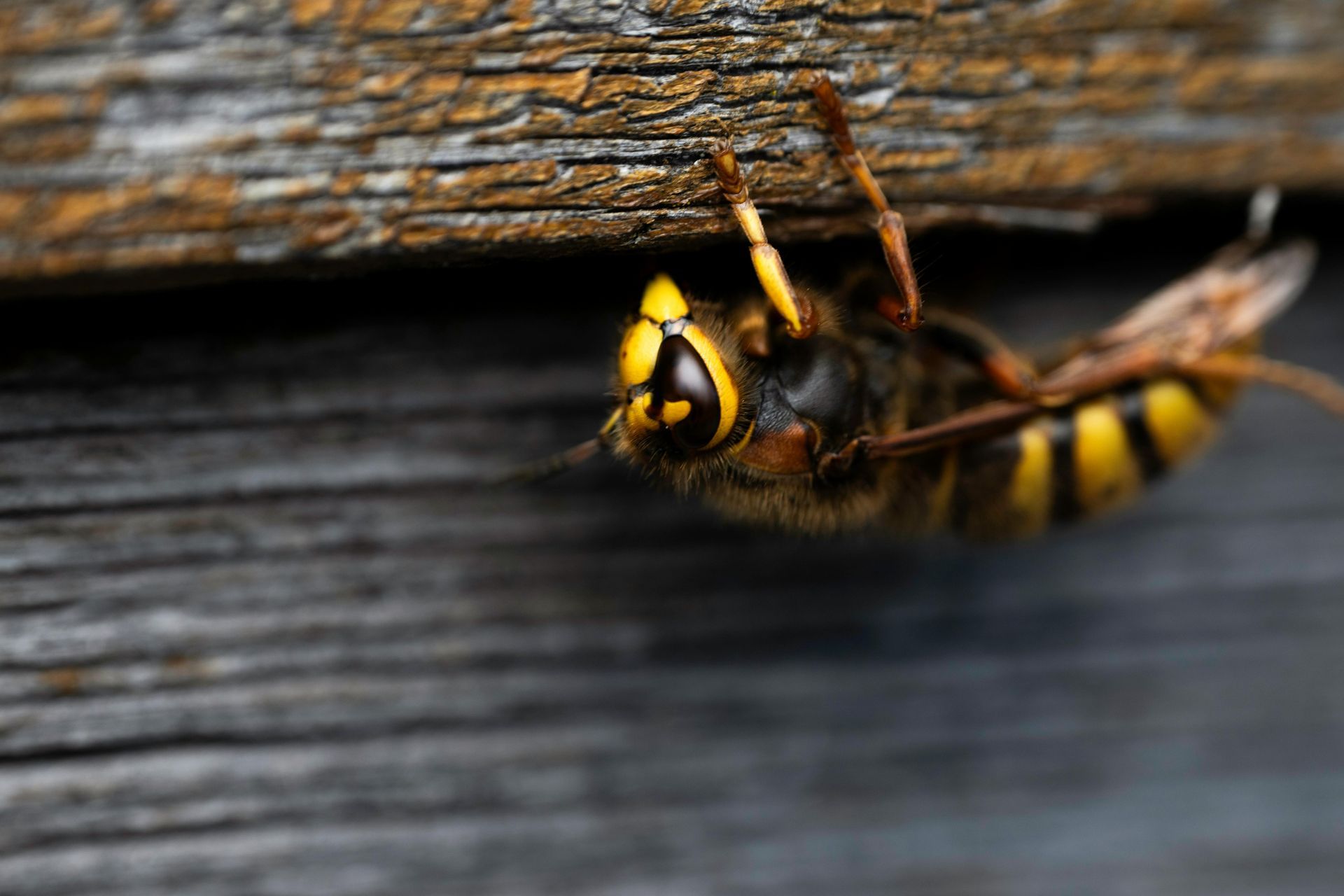
Bald-faced hornets, which are technically a type of wasp, build large aerial nests in trees, shrubs, or on buildings. These nests can house hundreds of hornets, and attacks may occur if the nest is approached too closely.
Each species presents different risks, and improper handling can escalate the situation quickly.
The Dangers of Wasp and Hornet Nests
The most obvious risk is stings. For individuals with allergies, a single sting can cause severe reactions requiring immediate medical attention. Even for those without allergies, multiple stings can lead to swelling, pain, infection, and serious complications.
Nests built near entryways, decks, or play areas increase the likelihood of accidental encounters. Lawn mowing, trimming shrubs, or opening sheds can trigger attacks without warning.
In-wall nests are particularly dangerous. Wasps may enter living spaces through vents, outlets, or cracks, creating an indoor stinging hazard.
Beyond physical danger, nests often grow larger over time. The longer they are left untreated, the harder and riskier removal becomes.
Why DIY Wasp Removal Is Risky
Many homeowners attempt to remove nests using sprays, foams, or improvised methods. These approaches often create more danger than solutions.
Over-the-counter sprays require close proximity to the nest, increasing the chance of being stung. Incomplete treatment may kill a few insects while leaving the colony active and aggressive.
Attempting to knock down nests or seal entry holes can trap wasps inside structures, forcing them into living spaces. Nighttime removal, often recommended online, is still dangerous without proper protective gear and training.
Falls from ladders are another major risk. Trying to spray or remove nests at heights increases the chance of serious injury.
Without professional equipment and experience, DIY wasp removal often results in injuries, incomplete control, and repeat infestations.
How Professional Wasp and Hornet Control Works
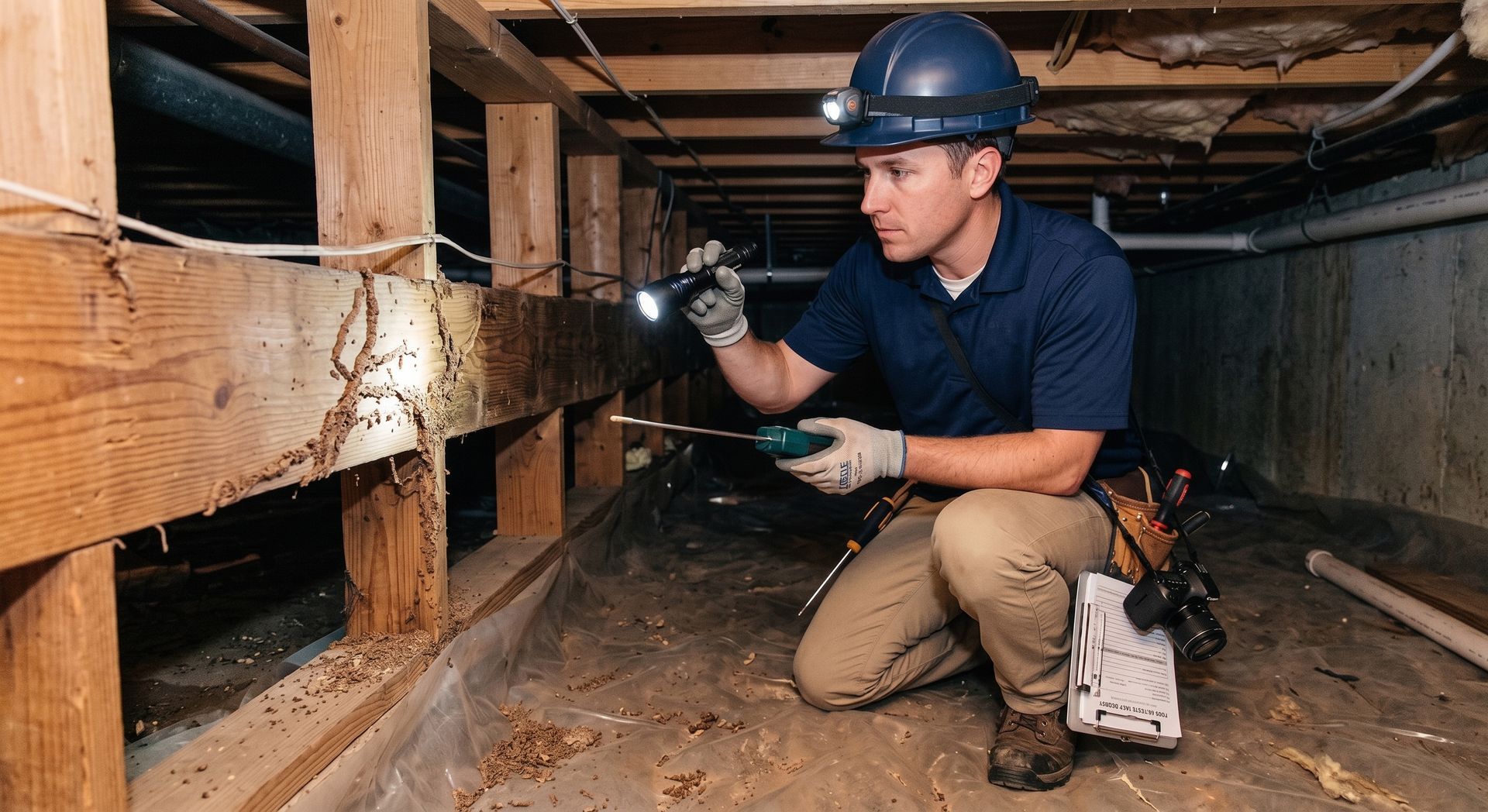
Professional wasp and hornet control prioritizes safety, precision, and complete elimination. The process begins with a thorough inspection to identify species, nest locations, colony size, and access points.
Treatments are applied using professional-grade products designed to eliminate the entire colony quickly. Technicians wear protective gear and use equipment that allows treatment from a safe distance.
In cases involving in-wall nests or underground colonies, specialized techniques are used to ensure wasps are eliminated without driving them indoors or causing structural damage.
Once the colony is inactive, nests are removed when appropriate. Removal helps prevent future activity and discourages new queens from nesting in the same area.
Preventing Future Wasp Problems
Prevention is a key part of long-term wasp control. Sealing entry points around eaves, soffits, and vents reduces nesting opportunities. Repairing damaged siding and screens further limits access.
Outdoor sanitation plays an important role. Keeping trash bins sealed, cleaning outdoor eating areas, and managing fallen fruit reduces attractants.
Early-season inspections are especially effective. Removing small starter nests in spring prevents colonies from becoming established later in the year.
For homes with recurring problems, seasonal preventive treatments help reduce nesting activity throughout the summer.
When Wasp Activity Indicates a Bigger Issue
Repeated wasp infestations may signal structural vulnerabilities such as gaps in siding, damaged soffits, or unsealed vents. In some cases, moisture problems or insect infestations may be attracting wasps to the property.
Professional inspections identify these contributing factors and provide recommendations to correct them, reducing long-term pest pressure.
FAQs
Are wasps active at night?
Wasps are less active at night but remain present and can sting if disturbed.
Can wasps sting multiple times?
Yes. Unlike bees, wasps and hornets can sting repeatedly.
Will wasps return after nest removal?
If nests are properly treated and removed and entry points are sealed, wasps typically do not return to the same location.
Final Thoughts
Wasps and hornets are more than just a nuisance—they are a real safety concern for Rochester homeowners. Attempting removal without professional help puts people at unnecessary risk and often leads to repeat problems.
With professional wasp and hornet control, nests are eliminated safely, risks are reduced, and long-term prevention keeps homes comfortable and secure throughout the warmer months.