
Preparing Your Yard to Reduce Pest Problems This Summer in Rochester

October 12, 2026
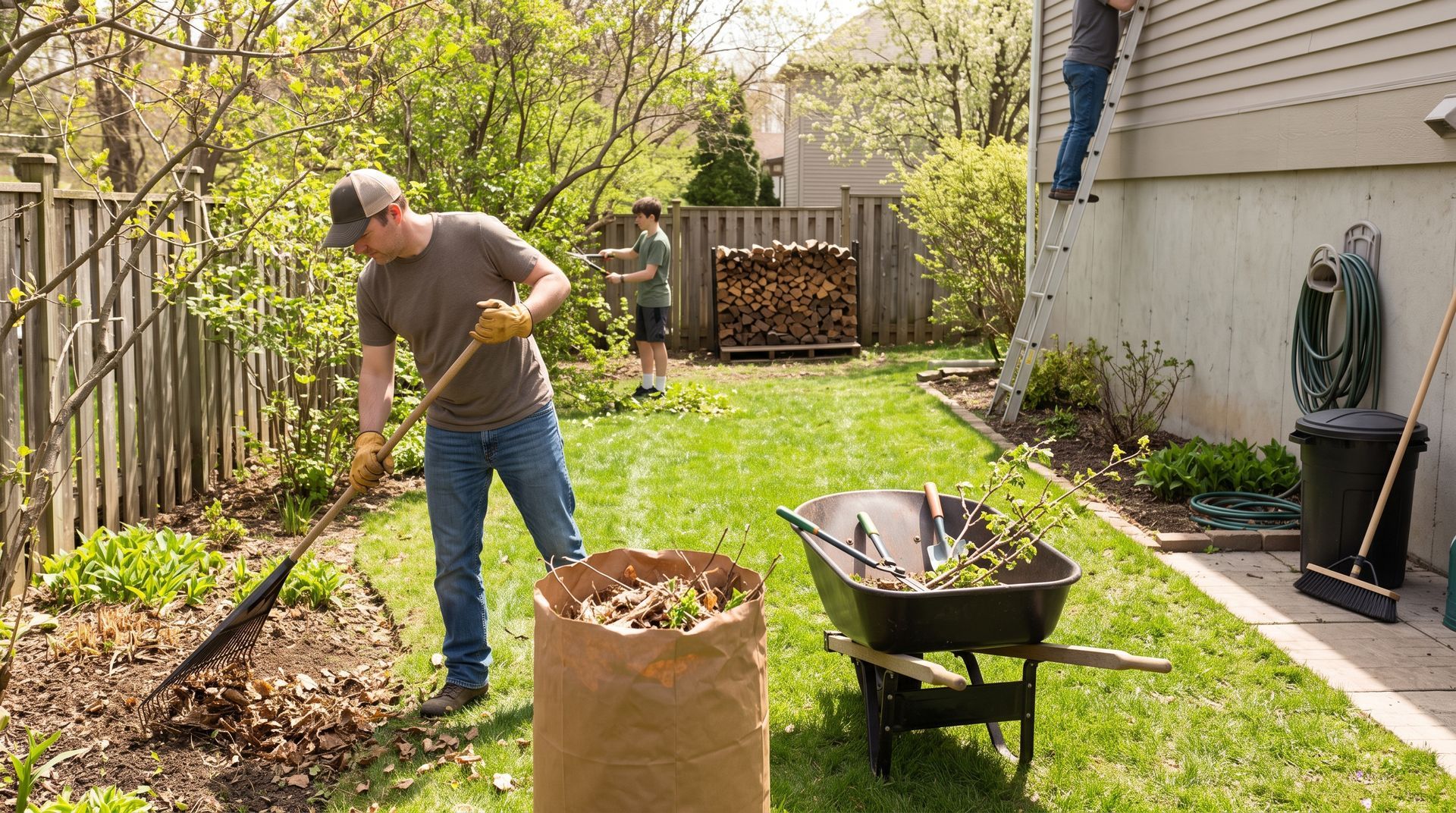
Man rakes leaves in a sunny backyard beside a wheelbarrow and leaf bag, near a fence and house.

For many Rochester homeowners, summer means spending more time outdoors. Backyards become gathering places for barbecues, family celebrations, gardening, and relaxing evenings on the patio. While warm weather creates the perfect setting for enjoying your outdoor spaces, it also marks the busiest season for many common pests.

Mosquitoes begin breeding after spring rains, ants expand their colonies, wasps build larger nests, and rodents take advantage of abundant food and shelter around residential properties. Without proper yard maintenance, outdoor pest populations can quickly increase, eventually making their way into your home.

Fortunately, reducing pest activity doesn't always require major changes. A well-maintained yard is one of the most effective defenses against insects and rodents. By eliminating food sources, reducing moisture, and removing hiding places, homeowners can significantly decrease pest populations before they become serious problems.

This guide explains how to prepare your yard for summer in Rochester and Monroe County while helping protect your home, your family, and your outdoor living spaces from common seasonal pests.

Why Your Yard Matters

Many homeowners think pest control begins inside the house, but most infestations actually start outdoors.

Your landscaping, lawn, trees, gardens, and hardscapes all influence whether pests remain outside or eventually enter your home.

Insects and rodents establish themselves where they find three essential resources:

  • Food
  • Water
  • Shelter

When these resources are abundant in your yard, pests naturally move closer to your home.

The goal of summer pest prevention is to make your property less inviting before populations begin increasing.

Keep Your Lawn Properly Maintained

Tall grass creates excellent shelter for numerous pests.

Ticks remain hidden near the soil surface where humidity stays high.

Rodents travel through long grass unnoticed.

Mosquitoes rest beneath dense vegetation during the heat of the day.

Regular mowing improves airflow, allows sunlight to reach the soil, and removes many of the cool, shaded hiding places insects prefer.

Avoid letting grass become excessively long between mowings, particularly during rainy periods when growth accelerates.

Trim Shrubs and Trees

Overgrown landscaping often creates direct pathways to your home.

Tree branches touching the roof allow squirrels, raccoons, and rodents easier access to attics.

Bushes growing against exterior walls provide cover for ants, spiders, and other crawling insects.

Shrubs should be trimmed several inches away from the house to improve air circulation and reduce moisture retention.

Tree limbs should also be pruned so they no longer touch the roofline.

Besides reducing pest access, regular pruning promotes healthier plant growth and improves your home's appearance.

Eliminate Standing Water

One of the most important summer pest prevention tasks is removing standing water.

Mosquitoes can complete their breeding cycle in surprisingly small amounts of water.

Common breeding sites include:

  • Bird baths
  • Flowerpot saucers
  • Children's toys
  • Buckets
  • Wheelbarrows
  • Clogged gutters
  • Decorative containers
  • Old tires
  • Tarps
  • Pool covers

After every rainfall, walk around your property and empty any containers holding water.

For decorative ponds, use pumps or fountains to keep water circulating, making it less suitable for mosquito larvae.

Inspect Gutters and Downspouts

Gutters often become overlooked breeding sites.

Leaves and debris trap moisture while preventing proper drainage.

Overflowing gutters also allow water to collect around foundations, increasing soil moisture that attracts ants and other insects.

Cleaning gutters during late spring and periodically throughout summer helps prevent moisture problems while reducing mosquito habitat.

Ensure downspouts direct water well away from the home's foundation.

Maintain Mulch Carefully

Fresh mulch benefits landscaping by helping retain moisture and suppress weeds, but too much mulch can encourage pest activity.

Thick mulch retains moisture against foundations and creates hiding places for insects.

Keep mulch approximately two to three inches deep.

Maintain several inches of exposed soil between mulch and your home's foundation whenever possible.

This reduces moisture accumulation while making it more difficult for insects to move directly from landscaping into the home.

Remove Yard Debris Promptly

Piles of leaves, branches, grass clippings, and lumber create ideal shelter for many pests.

Rodents build nests beneath debris piles.

Earwigs and spiders hide underneath boards and stones.

Carpenter ants may establish colonies inside decaying wood.

Dispose of yard waste promptly or compost it properly away from the home's foundation.

Maintaining a tidy yard significantly reduces available shelter for unwanted pests.

Protect Outdoor Dining Areas

Summer meals often attract more than just family and friends.

Wasps, yellow jackets, ants, and flies are all attracted to sugary drinks, grilled foods, and food scraps.

After outdoor gatherings:

  • Wipe tables thoroughly.
  • Sweep patios.
  • Remove food immediately.
  • Empty trash containers.
  • Clean barbecue grills.

Even small amounts of leftover food can attract insects within hours.

Store Firewood and Lumber Correctly

Although firewood may not be used often during summer, proper storage remains important.

Stacks of wood attract:

  • Carpenter ants
  • Beetles
  • Earwigs
  • Rodents
  • Spiders

Keep firewood elevated off the ground and positioned well away from the home.

Construction materials and lumber should also remain dry and organized to discourage insects.

Protect Gardens from Pests

Vegetable gardens and flower beds naturally attract insects.

While many insects are beneficial pollinators, others damage plants or increase pest populations near the home.

Harvest ripe fruits and vegetables promptly.

Remove decaying produce.

Avoid excessive watering that creates damp conditions.

Inspect plants regularly for insect activity before populations become established.

Healthy gardens are less attractive to many pest species.

Reduce Outdoor Lighting Attraction

Many flying insects are drawn to bright exterior lights after sunset.

As insect populations gather around lighting, spiders often follow to feed.

Consider using warm-colored LED bulbs that attract fewer insects.

Motion-activated lighting also reduces the amount of time lights remain on during the night.

Keeping lights away from entry doors further limits insect movement into the home.

Inspect Outdoor Structures

Summer is an excellent time to inspect:

  • Decks
  • Pergolas
  • Gazebos
  • Fences
  • Sheds
  • Playsets

Look for signs of:

  • Carpenter bee holes
  • Wasp nests
  • Carpenter ant activity
  • Rotting wood
  • Moisture damage

Repairing small problems early helps prevent larger infestations later.

Keep Pet Areas Clean

Outdoor pet areas can attract numerous pests.

Pick up pet waste regularly to reduce flies.

Store pet food indoors whenever possible.

Wash water bowls frequently.

Avoid leaving food outside overnight.

These simple habits help discourage insects as well as raccoons, skunks, and rodents.

Seal Exterior Openings

Even with excellent yard maintenance, pests may still attempt to enter your home.

Inspect for:

  • Foundation cracks
  • Damaged screens
  • Worn weather stripping
  • Utility penetrations
  • Gaps beneath doors

Sealing these openings complements outdoor pest prevention efforts and greatly reduces indoor infestations.

Why Professional Seasonal Treatments Help

Even the best-maintained yard cannot eliminate every pest.

Properties bordering wooded areas, wetlands, streams, or parks often experience greater pest pressure due to surrounding habitat.

Professional seasonal treatments provide an additional layer of protection by targeting pest activity before it spreads to the home.

Customized treatment plans can help manage mosquitoes, ants, spiders, wasps, fleas, ticks, and other common summer pests while supporting long-term prevention.

Frequently Asked Questions

When should I begin preparing my yard for summer pests?

Late spring is ideal. Completing maintenance before insect populations reach their seasonal peak provides the best results.

Can landscaping really reduce pest problems?

Yes. Proper mowing, trimming, moisture management, and debris removal significantly reduce food, shelter, and breeding areas for many common pests.

Do mosquitoes only breed in ponds?

No. Mosquitoes often breed in very small amounts of standing water, including containers holding only a few ounces of water.

Enjoy a More Comfortable Summer Outdoors

Your yard plays a major role in determining whether pests remain outside or become unwanted guests inside your home. Regular maintenance, careful landscaping, moisture control, and seasonal inspections all work together to reduce pest populations and create a healthier outdoor environment.

RPM Pest Control Management LLC proudly helps homeowners throughout Rochester and Monroe County protect their homes and outdoor spaces with customized seasonal pest management services. Whether you're dealing with mosquitoes, ants, wasps, rodents, spiders, or other common summer pests, our experienced team provides effective solutions designed specifically for Western New York's changing seasons.

To schedule a seasonal inspection or learn more about our residential pest control services, call (585) 301-5811 or visit https://rayspropertymaintpestcontrol.net/contact/.

RECENT POSTS

Worker using a caulking gun to seal the base of a house beside a red bucket
September 25, 2026
Prepare your Rochester home for winter with expert pest-proofing tips. Prevent rodents, insects, and wildlife from moving indoors before cold weather arrives!
Worker in hard hat inspecting crawl space under a house with a flashlight
September 10, 2026
Own an older home in Rochester? Learn why regular pest inspections are essential for preventing costly infestations and protecting your investment.
Damp, cluttered basement with peeling white walls, exposed beams, and cardboard boxes on the floor
August 26, 2026
Learn how to protect your Rochester basement from rodents, insects, and moisture pests with practical prevention tips and professional pest control solutions today!
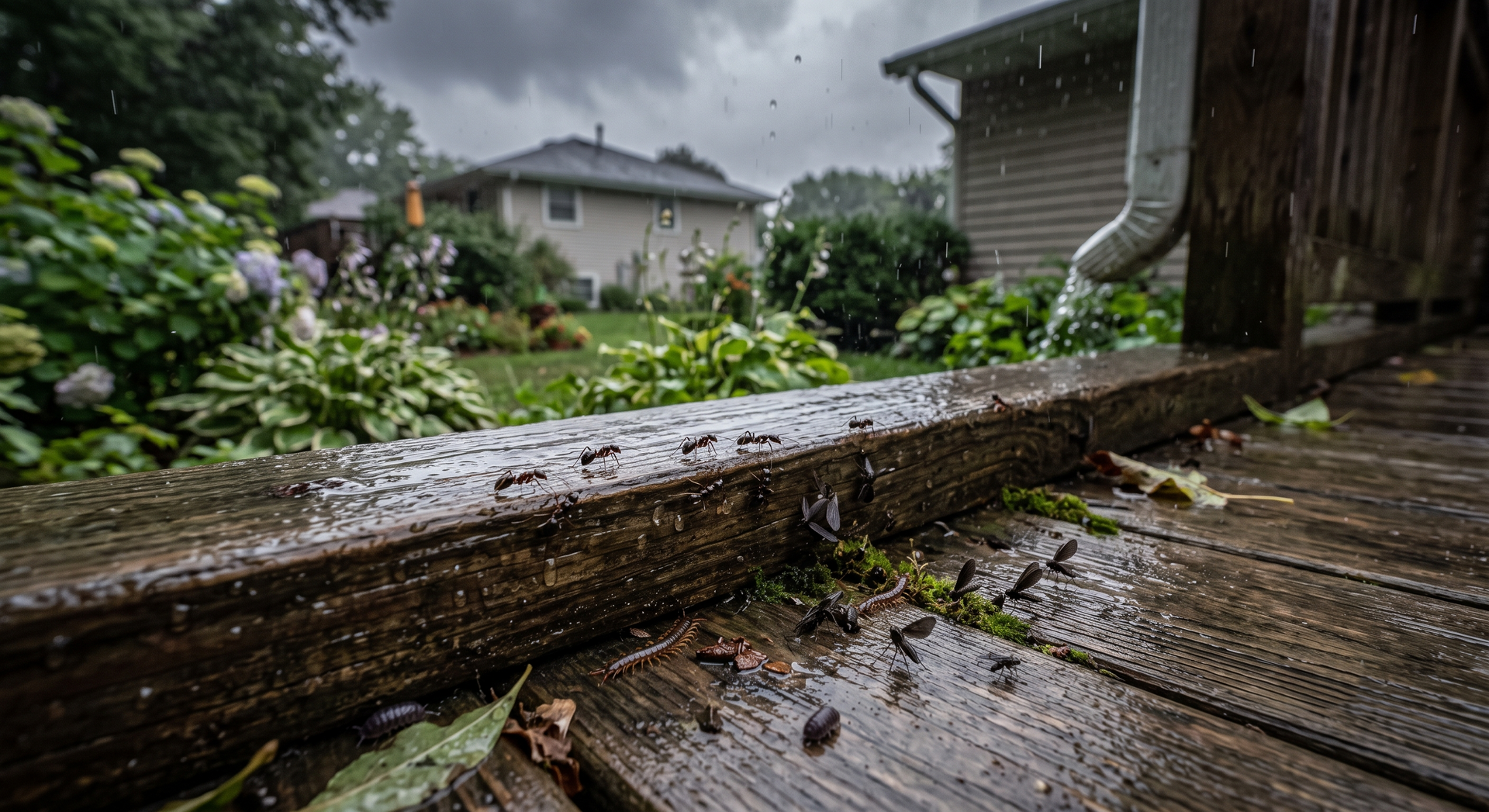
Rain-soaked wooden deck railing with a wet yard and house under dark cloudy sky after a storm
August 11, 2026
Learn how Rochester's changing weather affects pest activity throughout the year and learn to protect your house during every season with expert pest control advice.

Messy kitchen counter with spilled cereal, bowls, and trash can overflowing with food scraps
July 27, 2026
Discover the most common mistakes that attract pests to Rochester homes and learn how to prevent infestations with expert tips from RPM Pest Control today.

Man kneeling by a house spray-treating the lawn with a yellow garden sprayer
July 10, 2026
Prepare your Rochester for spring with complete pest prevention checklist. Learn how to stop ants, rodents, termites, mosquitoes, and more before infestations begin.

Spilled cereal from a paper bag on a wooden pantry shelf beside jars labeled organic penne and cereal.
June 22, 2026
Finding silverfish or pantry pests in your Rochester home? Learn what attracts them, the damage they cause and how professional pest control helps today. Nearby now.
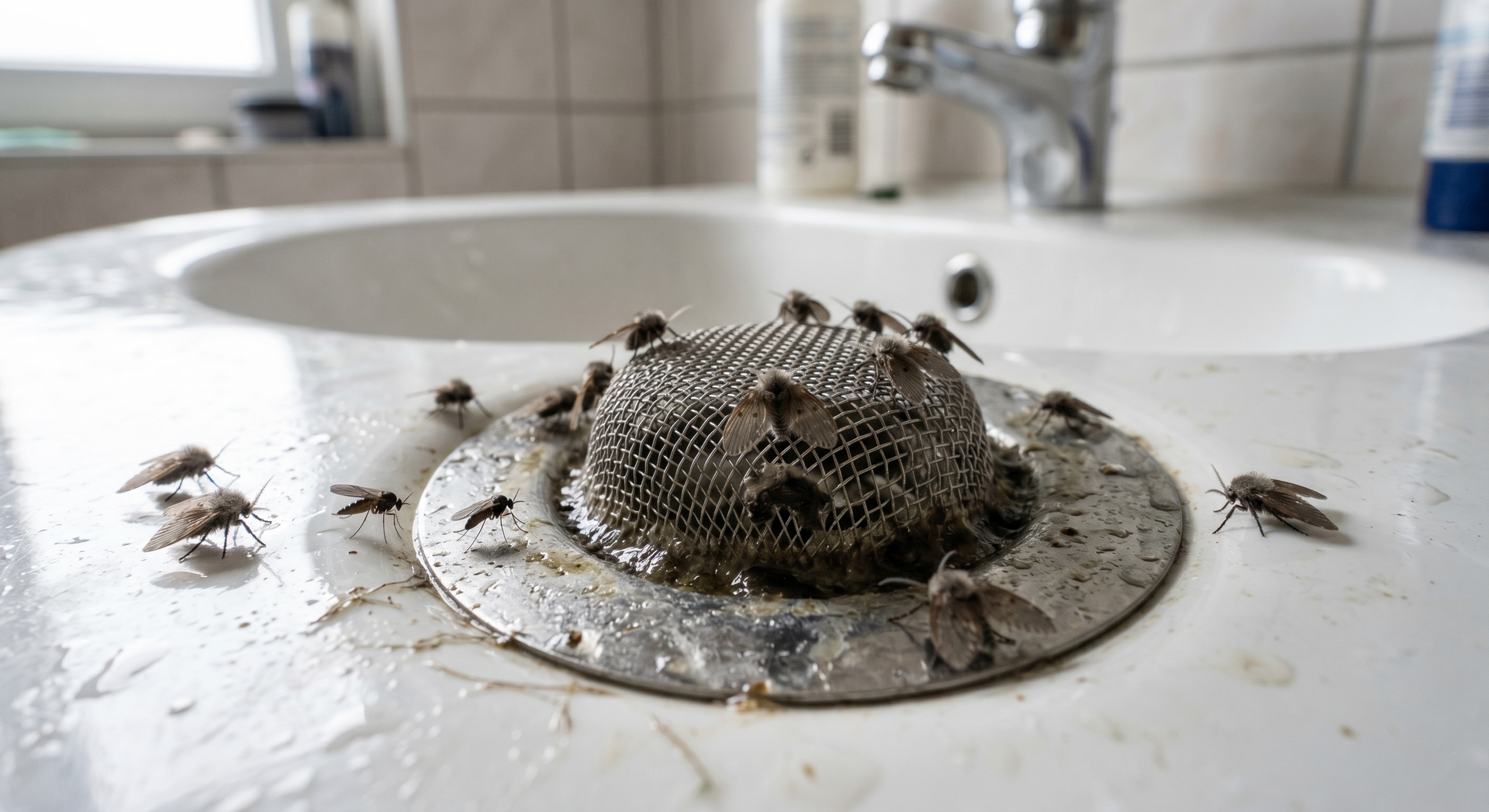
A sink drain covered with a cluster of gnats and dead insects, with more flies on the countertop.
June 5, 2026
Seeing drain flies or gnats in your Rochester home? Learn why they appear, where they breed, and how professional pest control helps eliminate them for good today!!
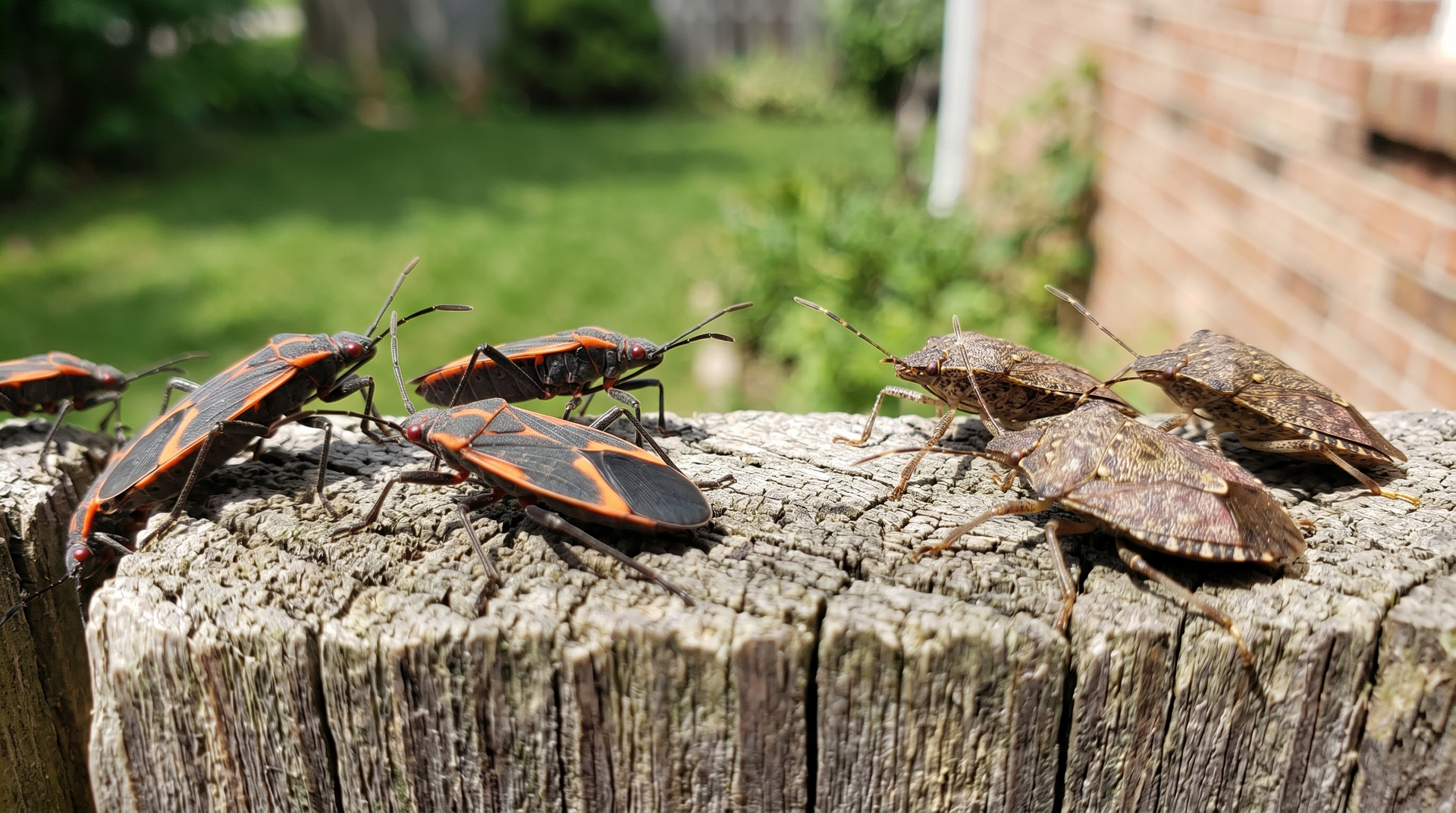
Orange-and-black bugs clustered on a weathered tree stump outdoors
May 21, 2026
Seeing boxelder bugs or stink bugs in your Rochester home? Learn why they invade, how to prevent them, and when professional pest control can help today this fall.!!