Pest-Proofing Your Home Before Winter: A Rochester Homeowner's Guide

As summer fades and cooler temperatures begin settling across Rochester and Monroe County, homeowners start preparing their homes for winter. Gutters are cleaned, furnaces are serviced, gardens are winterized, and outdoor furniture is stored away. One important task that is often overlooked, however, is pest-proofing the home before cold weather arrives.
Autumn is one of the busiest seasons for pest activity. While many people believe insects and rodents disappear during the winter, the opposite is often true. As outdoor temperatures fall, pests begin searching for warm, protected places where they can survive until spring. Unfortunately, homes provide everything they need, including shelter, food, water, and protection from the elements.
A mouse that finds a small opening in October may spend the entire winter inside your walls. A queen wasp may hide inside your attic until warmer weather returns. Spiders, stink bugs, boxelder bugs, and other insects also seek protected indoor spaces long before the first snowfall.
Taking preventive measures before winter arrives is one of the most effective ways to avoid infestations during the coldest months of the year. This guide explains why fall is the ideal time for pest prevention and outlines practical steps every Rochester homeowner can take to protect their property.
Why Pest Activity Increases Before Winter
Most pests are driven by survival. As food sources become scarce and temperatures decline, insects, rodents, and wildlife begin searching for locations that offer warmth and security.
Homes naturally become attractive because they provide stable temperatures throughout the winter. Heated basements, attics, garages, crawl spaces, and wall voids create ideal environments for pests to survive until spring.
Many pests begin this migration weeks before homeowners notice colder weather. By the time the first snowfall arrives, rodents may already have established nests inside the home.
Preventive maintenance completed during early fall greatly reduces the likelihood of unwanted winter guests.
Rodents Are the Biggest Winter Concern
Mice and rats are among the most common winter pests throughout Monroe County.
They require only tiny openings to gain access to a home. Gaps beneath garage doors, cracks in foundations, damaged weather stripping, utility penetrations, and attic vents all provide opportunities for entry.
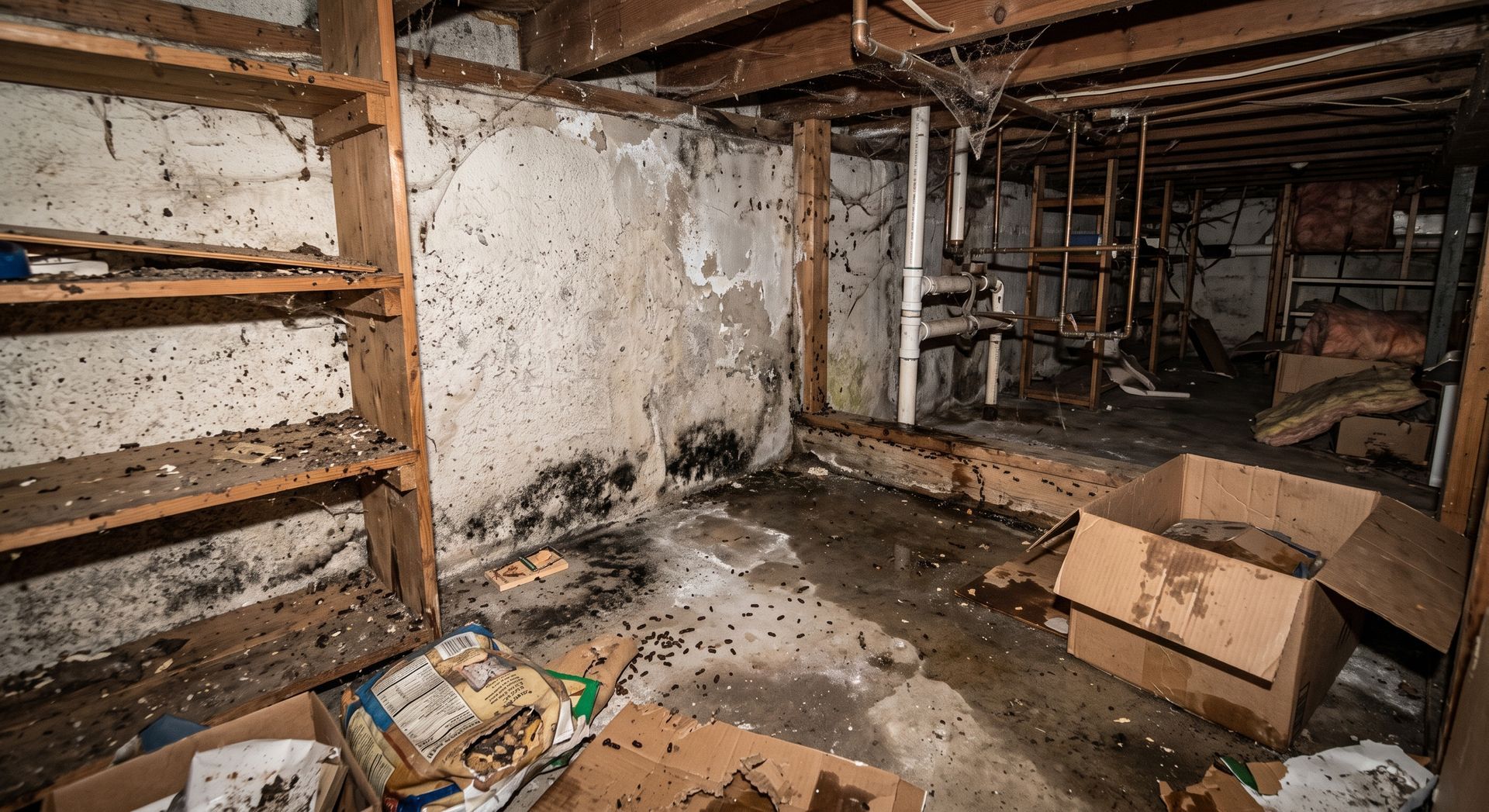
Once inside, rodents build nests using insulation, paper, fabric, and other soft materials. They remain active throughout the winter, chewing electrical wiring, contaminating food, and reproducing in hidden areas.
Signs of rodent activity include:
- Scratching sounds inside walls
- Small droppings
- Gnaw marks
- Nesting material
- Grease marks along walls
- Food packaging damage
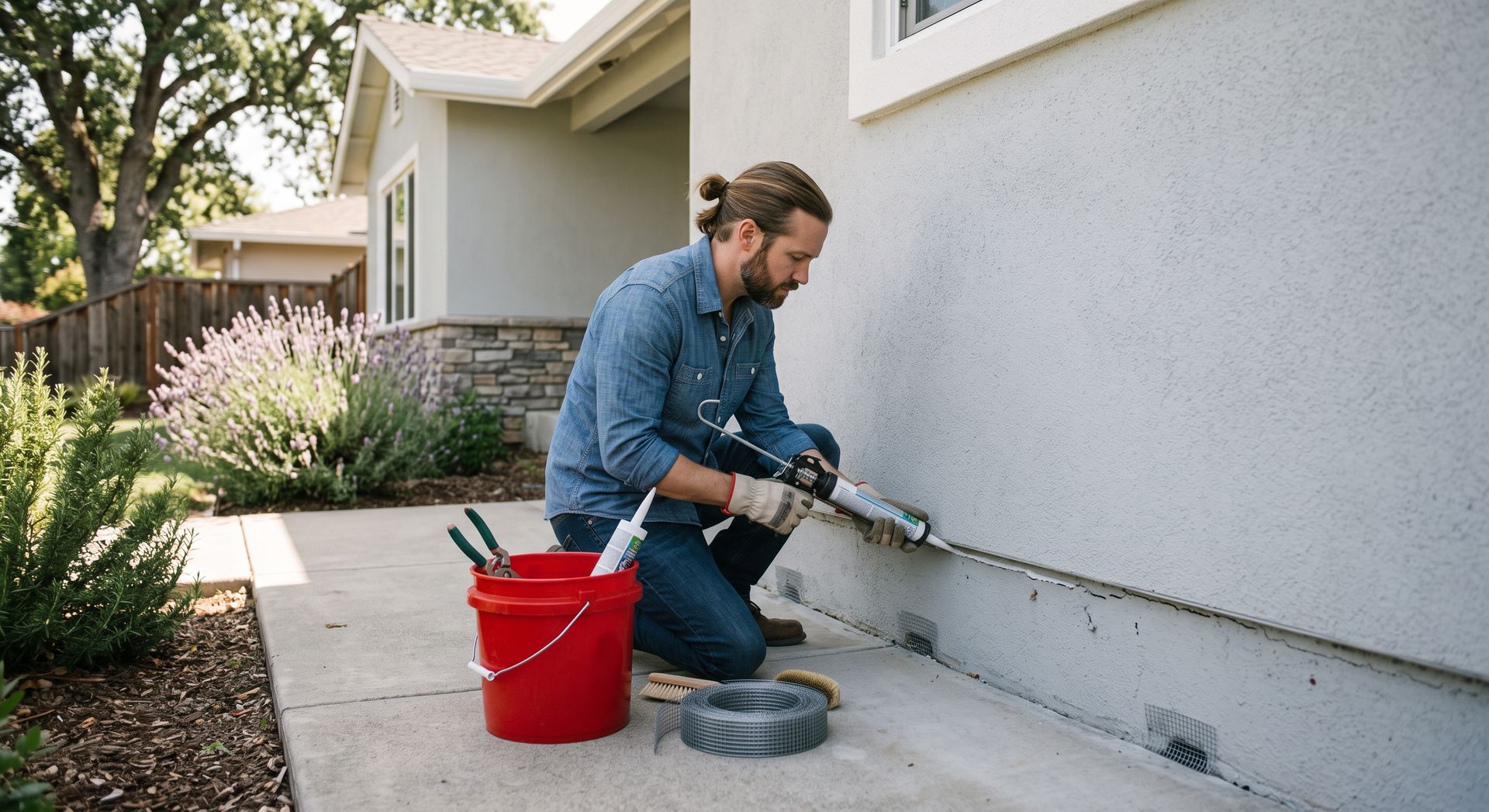
Sealing entry points before temperatures drop is one of the most important steps homeowners can take.
Insects Also Move Indoors
While rodents receive much of the attention, many insects also prepare for winter.
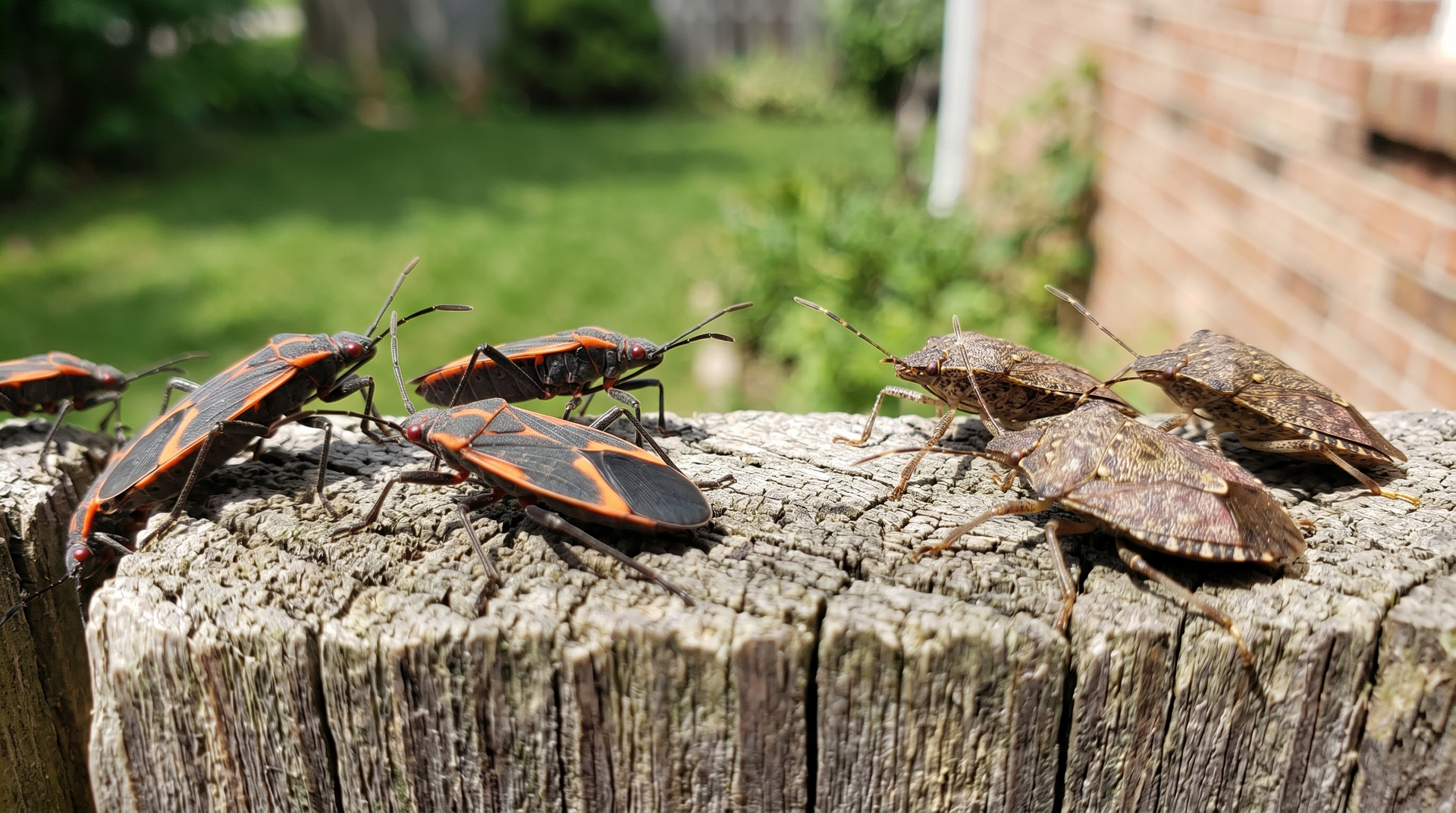
Boxelder bugs gather on sunny exterior walls before entering through cracks.
Brown marmorated stink bugs seek sheltered wall voids and attics.
Spiders follow insects indoors where food remains available.
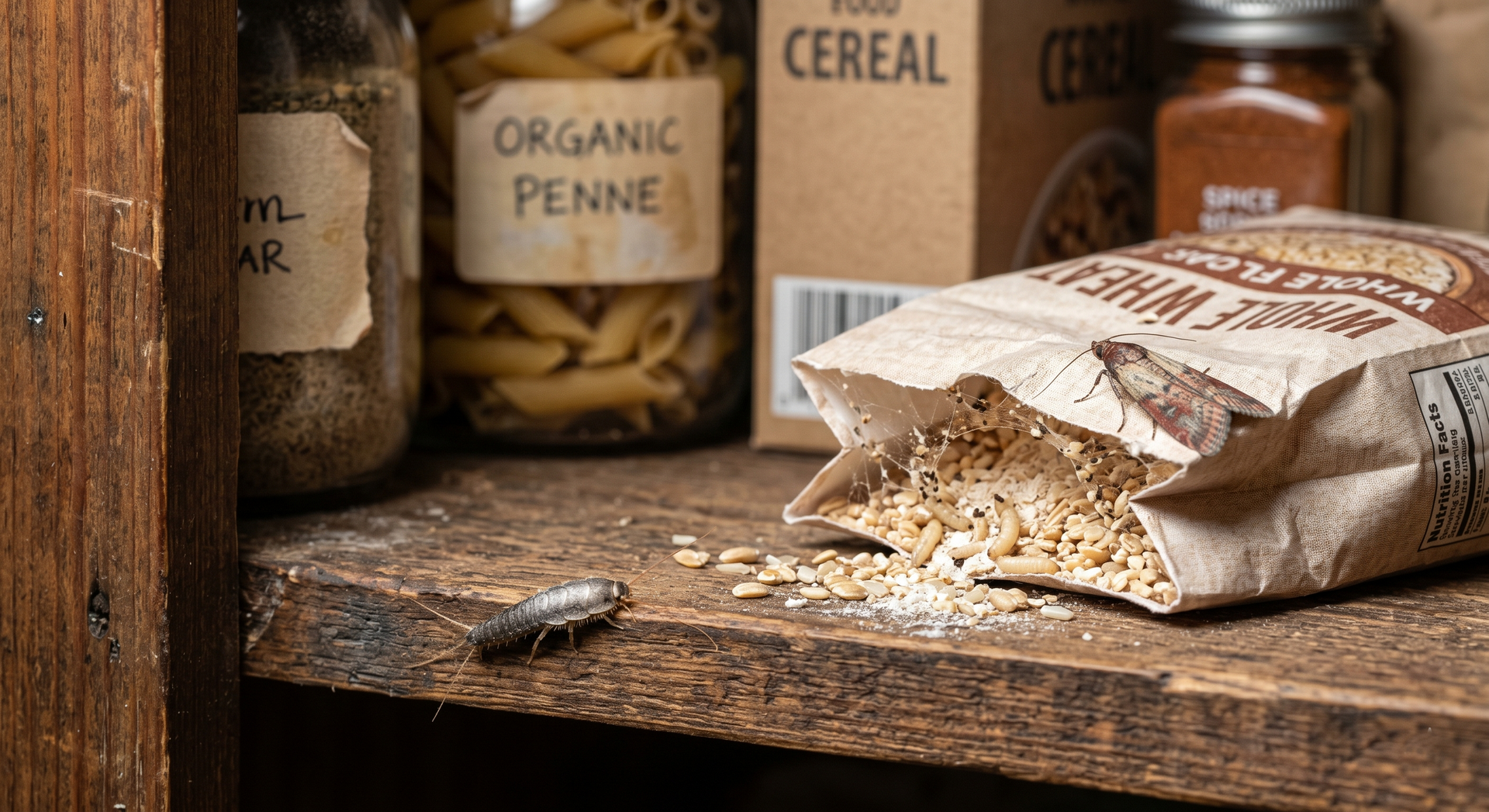
Silverfish continue thriving in humid basements.
Cockroaches remain active anywhere warmth and moisture exist.
Lady beetles may gather in large numbers inside wall voids or around windows.
These insects rarely reproduce outdoors during winter, but they survive comfortably inside heated homes.
Preventing entry in the fall is much easier than trying to remove them after they become established.
Inspect the Exterior of Your Home
A complete exterior inspection should be part of every fall maintenance routine.
Walk slowly around your home and look for:
- Cracks in the foundation
- Damaged siding
- Loose trim
- Missing mortar
- Gaps around windows
- Worn door sweeps
- Damaged weather stripping
- Utility penetrations
- Torn screens
- Unsealed vents
Even very small openings can allow insects and rodents to enter.
Repairing these vulnerabilities before winter arrives creates one of the strongest defenses against pests.
Pay Special Attention to the Roof
Rooflines are often overlooked during pest prevention.
Inspect:
- Roof vents
- Chimneys
- Flashing
- Soffits
- Fascia boards
- Attic vents
Squirrels, raccoons, bats, birds, and insects frequently enter through damaged roofing materials.
Replacing loose vent screens or repairing damaged soffits helps prevent wildlife from entering attic spaces.
Clean Gutters Before Winter
Leaves and debris inside gutters trap moisture and create attractive conditions for many pests.
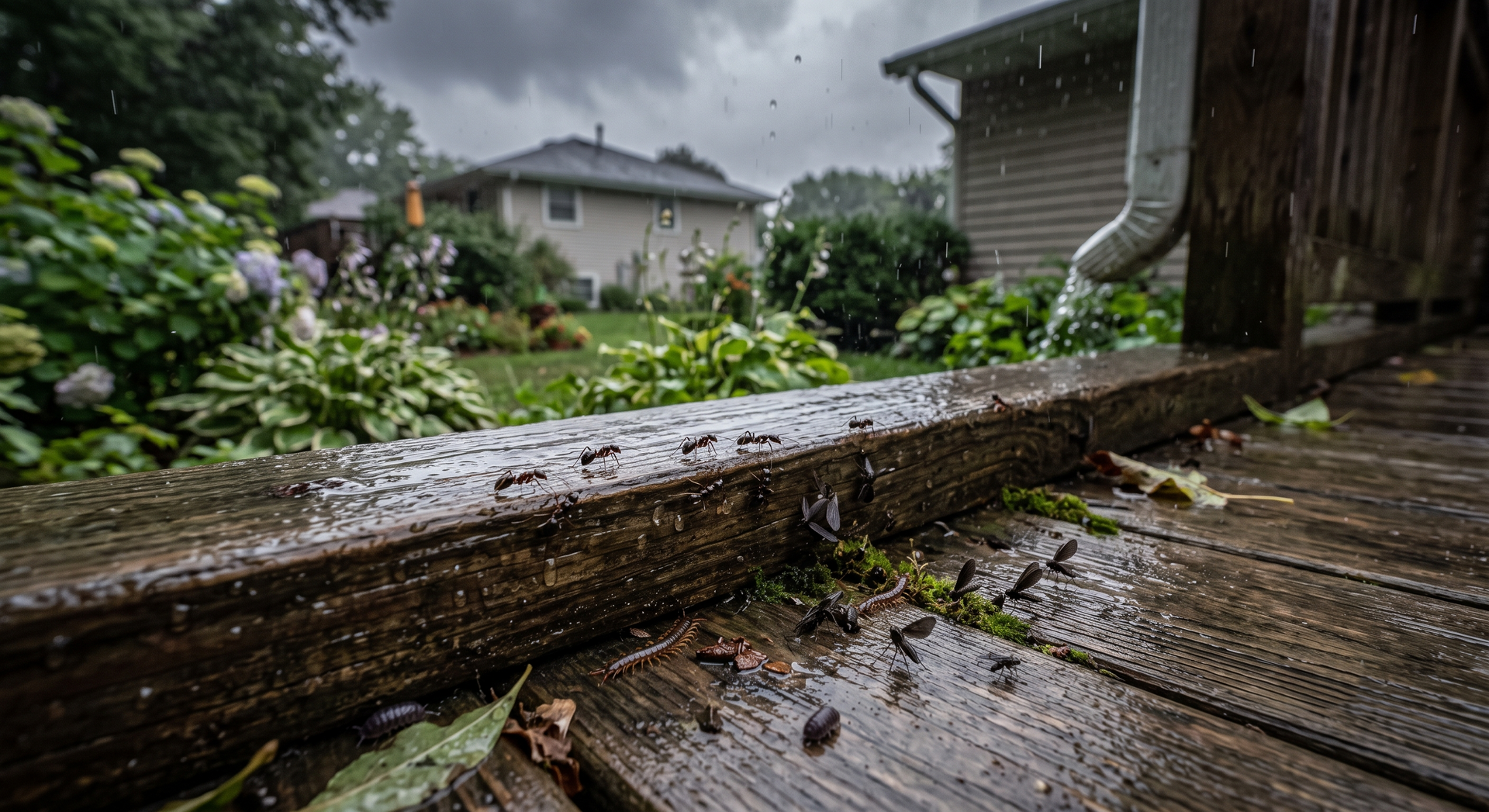
Clogged gutters may also cause water to overflow near the foundation, increasing basement moisture and attracting insects.
Cleaning gutters after leaves have fallen improves drainage while reducing pest habitat.
Ensure downspouts direct water several feet away from the home's foundation whenever possible.
Store Firewood Properly
Firewood becomes especially important during Rochester winters, but improper storage creates significant pest problems.
Wood piles attract:
- Carpenter ants
- Spiders
- Earwigs
- Mice
- Beetles
Store firewood off the ground and away from the home whenever practical.
Bring indoors only the amount needed for immediate use.
Inspect logs before carrying them inside.
Eliminate Outdoor Food Sources
Many pests remain outside until food becomes scarce.
Secure garbage containers with tight-fitting lids.
Remove fallen fruit beneath trees.
Clean barbecue grills before storing them.
Avoid leaving pet food outdoors overnight.
Store bird seed in sealed containers.
Reducing available food encourages pests to remain farther from your home.
Organize Basements and Garages
Basements and garages often become winter nesting sites.
Reduce clutter by organizing storage.
Replace cardboard boxes with sealed plastic containers.
Vacuum corners regularly.
Inspect stored belongings for signs of rodent activity.
Finished basements should also be inspected for water leaks, musty odors, or insect activity.
The cleaner and more organized these spaces remain, the fewer hiding places pests will have.
Trim Landscaping Before Snow Arrives
Overgrown vegetation touching the home provides easy access for insects and rodents.
Trim shrubs away from siding.
Prune tree branches that extend over the roof.
Remove leaf piles near the foundation.
Keep mulch several inches away from exterior walls.
These simple landscaping improvements reduce pest activity while also improving airflow around the home.
Check Doors and Windows
Doors and windows are among the most common pest entry points.
Inspect for:
- Torn screens
- Loose weather stripping
- Gaps beneath doors
- Damaged caulking
- Cracked window frames
Replacing worn seals not only helps prevent pests but also improves energy efficiency during the winter.
Monitor Moisture Throughout the Home
Many winter pests require moisture to survive.
Repair leaking pipes.
Use dehumidifiers in damp basements.
Improve ventilation around laundry rooms and utility spaces.
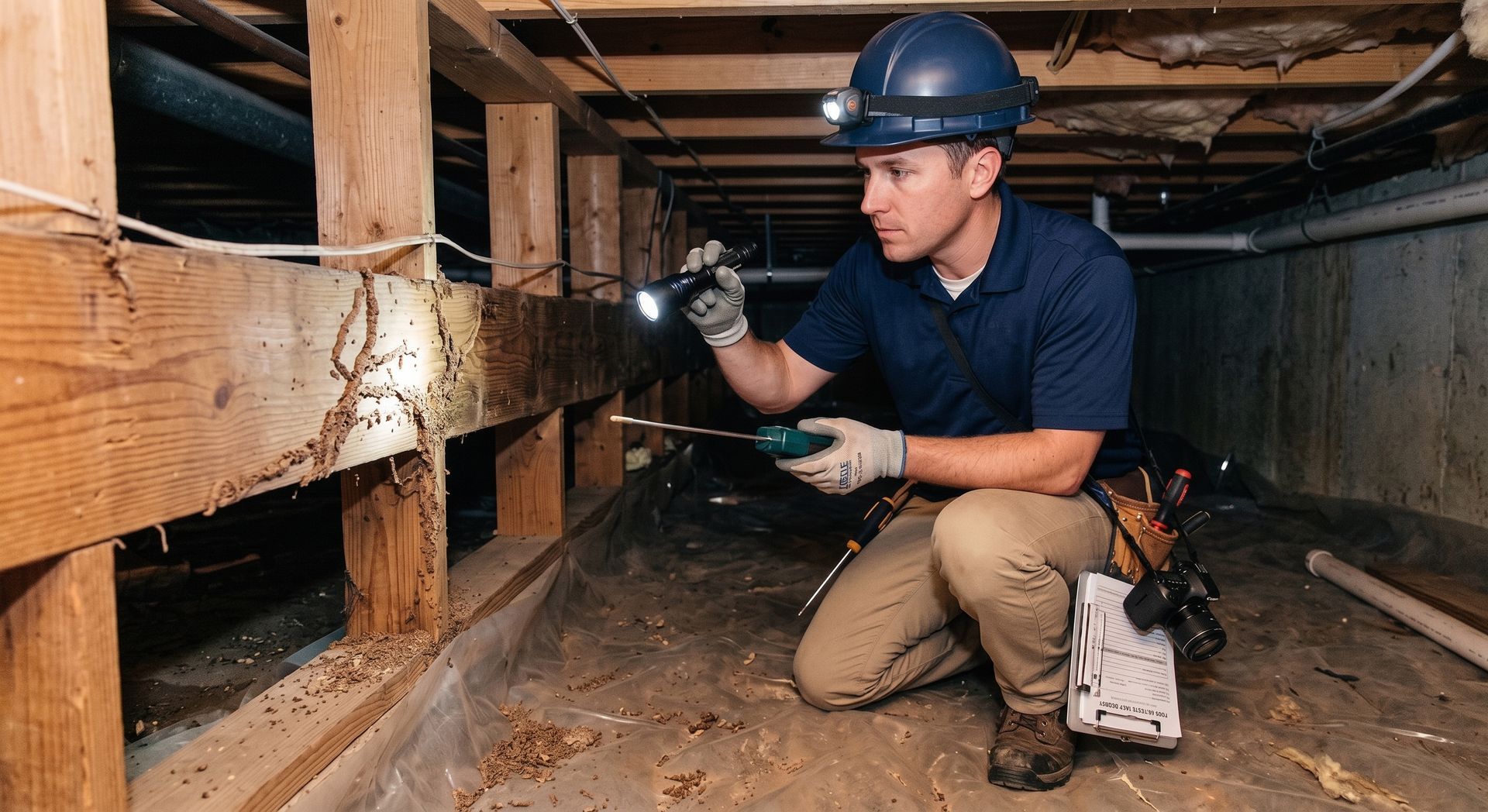
Inspect crawl spaces for standing water or condensation.
Managing moisture discourages silverfish, cockroaches, carpenter ants, and several other insects.
Schedule a Professional Fall Inspection
Professional inspections identify vulnerabilities homeowners often overlook.
An experienced technician can evaluate:
- Rodent entry points
- Developing insect activity
- Moisture concerns
- Structural weaknesses
- Wildlife access points
- Conditions that may lead to winter infestations
Addressing these concerns before winter arrives significantly reduces the likelihood of emergency pest problems during the colder months.
Why Prevention Is More Effective Than Winter Treatments
Once pests establish themselves indoors, removal becomes more difficult.
Rodents hide inside walls.
Wildlife occupies attics.
Insects disappear into wall voids.
Preventive maintenance focuses on stopping pests before they gain access rather than attempting to eliminate established populations later.
This proactive approach often saves homeowners both time and money.
Frequently Asked Questions
When should I begin winter pest-proofing?
Early fall is ideal. Completing inspections and repairs before temperatures consistently fall gives homeowners the best opportunity to prevent pests from moving indoors.
Can pests survive Rochester winters outside?
Some do, but many insects become dormant or seek protected locations. Rodents and wildlife frequently move indoors where food and warmth are available.
Will sealing my home completely eliminate pest problems?
Sealing entry points greatly reduces the risk, but combining exclusion with sanitation, moisture control, and regular inspections provides the best long-term protection.
Prepare Your Home Before Winter Arrives
Winter pest problems often begin long before the first snowfall. By inspecting your home, sealing entry points, reducing moisture, and maintaining your property during the fall, you can significantly reduce the chances of sharing your home with unwanted pests during the colder months.
RPM Pest Control Management LLC proudly helps homeowners throughout Rochester and Monroe County prepare for every season with comprehensive inspections, rodent control, insect management, wildlife services, and long-term pest prevention solutions. Whether you're protecting an older home or a newly built property, our experienced team is ready to help keep your home comfortable and pest-free all winter long.
To schedule a fall pest inspection or learn more about our residential pest control services, call
(585) 301-5811 or visit https://rayspropertymaintpestcontrol.net/contact/.
RECENT POSTS