Introduction
Fleas are small, fast-moving pests that can quickly turn a comfortable home into a source of constant irritation. For homeowners in Rochester and throughout Monroe County, flea infestations are especially common in households with pets—but pets are not the only way fleas enter a home. Wildlife, visiting animals, and even previous infestations can allow fleas to persist unnoticed until the problem becomes severe.
Once fleas establish themselves indoors, they are extremely difficult to eliminate without professional treatment. Their ability to reproduce rapidly and hide deep within carpets, furniture, and floor cracks makes them one of the most stubborn pests homeowners face.
This guide explains how flea infestations begin, why they are so difficult to control, what signs to look for, and how professional flea control restores comfort and safety to homes across Monroe County.
How Fleas Enter Homes in Rochester and Monroe County
Many homeowners assume fleas only enter homes on dogs or cats, but fleas have several pathways indoors. Pets are certainly the most common source, especially if they spend time outdoors, visit dog parks, or interact with other animals. Even pets on preventive medication can occasionally bring fleas inside.
Wildlife activity is another frequent cause. Raccoons, squirrels, skunks, and stray animals nesting near homes can introduce fleas into crawl spaces, garages, sheds, and attics. From there, fleas migrate into living areas.
Fleas can also enter homes on clothing, furniture, or visitors. Secondhand couches, rugs, or pet bedding are common culprits. In multi-unit housing, fleas may spread between apartments through shared walls or flooring.
Because fleas are so small and difficult to detect early, infestations often go unnoticed until populations grow large enough to affect people and pets.
Signs of a Flea Infestation
Early detection is critical, but flea infestations are often identified only after symptoms appear. One of the most common signs is excessive scratching or biting in pets. Dogs and cats may scratch around the neck, tail base, or hind legs and may develop red or irritated skin.
Homeowners may also notice small red bites, often around ankles or lower legs. These bites are typically itchy and may appear in clusters.
Another indicator is flea dirt, which looks like tiny black specks on pet bedding or carpets. When placed on a damp paper towel, flea dirt turns reddish-brown, confirming the presence of fleas.
In more advanced infestations, homeowners may see fleas jumping on floors, furniture, or pets—especially when walking through carpeted areas.
Why Fleas Are So Hard to Eliminate
Fleas are difficult to control because of their life cycle. Adult fleas make up only a small portion of the population. The majority exist as eggs, larvae, and pupae hidden deep within carpets, cracks, and upholstery.
Flea eggs are not sticky and easily fall off pets into the environment. A single flea can lay dozens of eggs per day, allowing infestations to grow rapidly. Larvae feed on organic debris and flea dirt, while pupae can remain dormant for weeks or months before emerging.
Over-the-counter sprays and foggers typically kill only adult fleas. Eggs and pupae survive, hatch later, and restart the infestation. This is why many homeowners experience recurring flea problems despite repeated DIY treatments.
Without disrupting the entire life cycle, flea infestations continue indefinitely.
Risks Fleas Pose to Homes and Health
Fleas are more than just an annoyance. Their bites can cause allergic reactions in both people and pets. Some individuals develop flea allergy dermatitis, leading to intense itching, skin infections, and hair loss in pets.
Fleas can also transmit parasites such as tapeworms to pets. In rare cases, fleas may carry diseases that affect humans.
Beyond health concerns, flea infestations significantly reduce quality of life. Constant itching, disrupted sleep, and stress are common in affected households. Left untreated, infestations often worsen over time rather than improving.
Why DIY Flea Treatments Often Fail
Many homeowners attempt flea control using sprays, powders, or flea bombs. These products may provide temporary relief but rarely eliminate infestations completely.
Foggers often fail to penetrate carpets, furniture, and cracks where flea larvae and pupae hide. Sprays applied incorrectly can miss key areas, allowing fleas to survive and reproduce.
DIY treatments also frequently lack insect growth regulators, which are essential for preventing eggs from developing into adults. Without these products, flea populations rebound quickly.
In some cases, improper product use can expose residents or pets to unnecessary chemical risks without solving the problem.
How Professional Flea Control Works
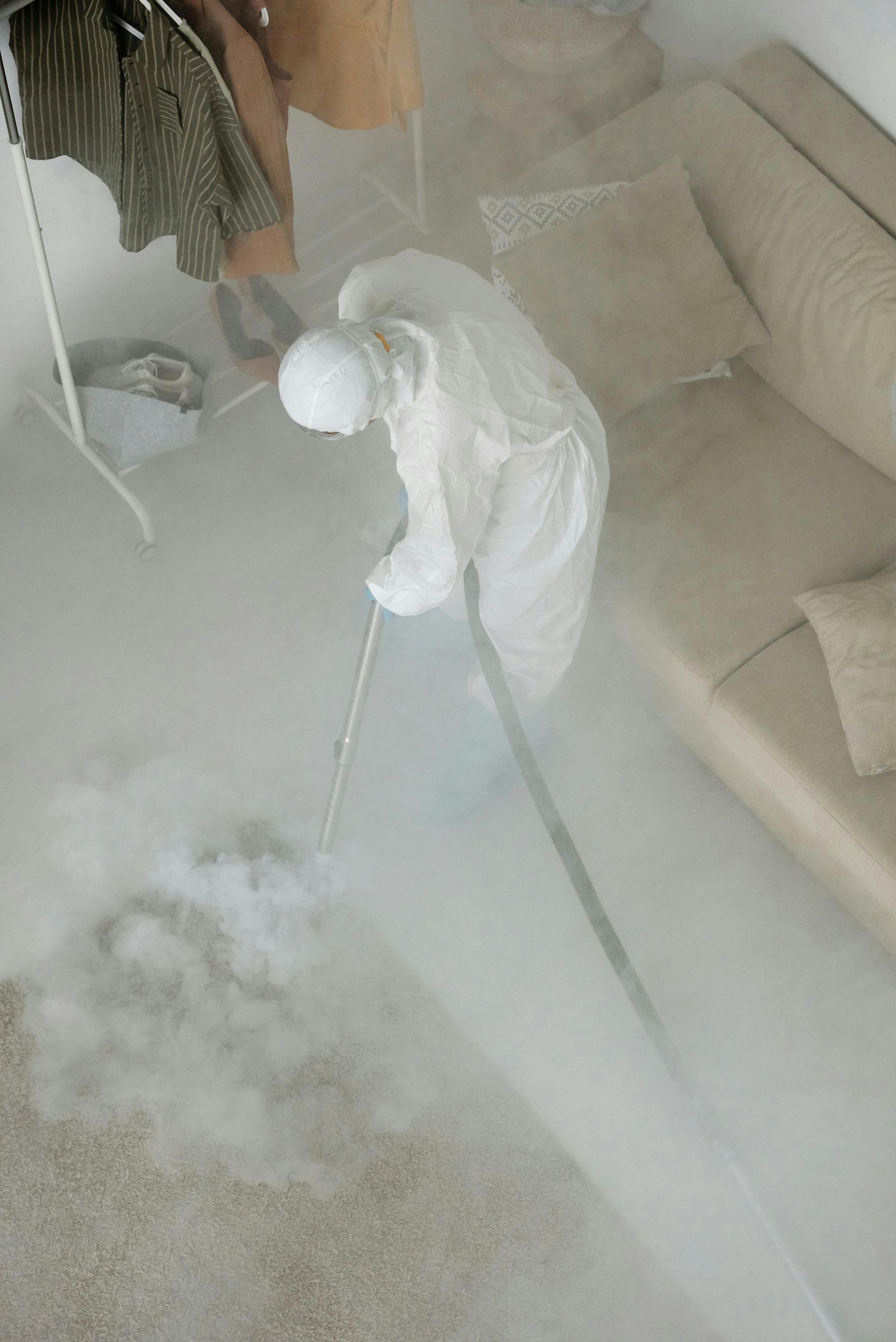
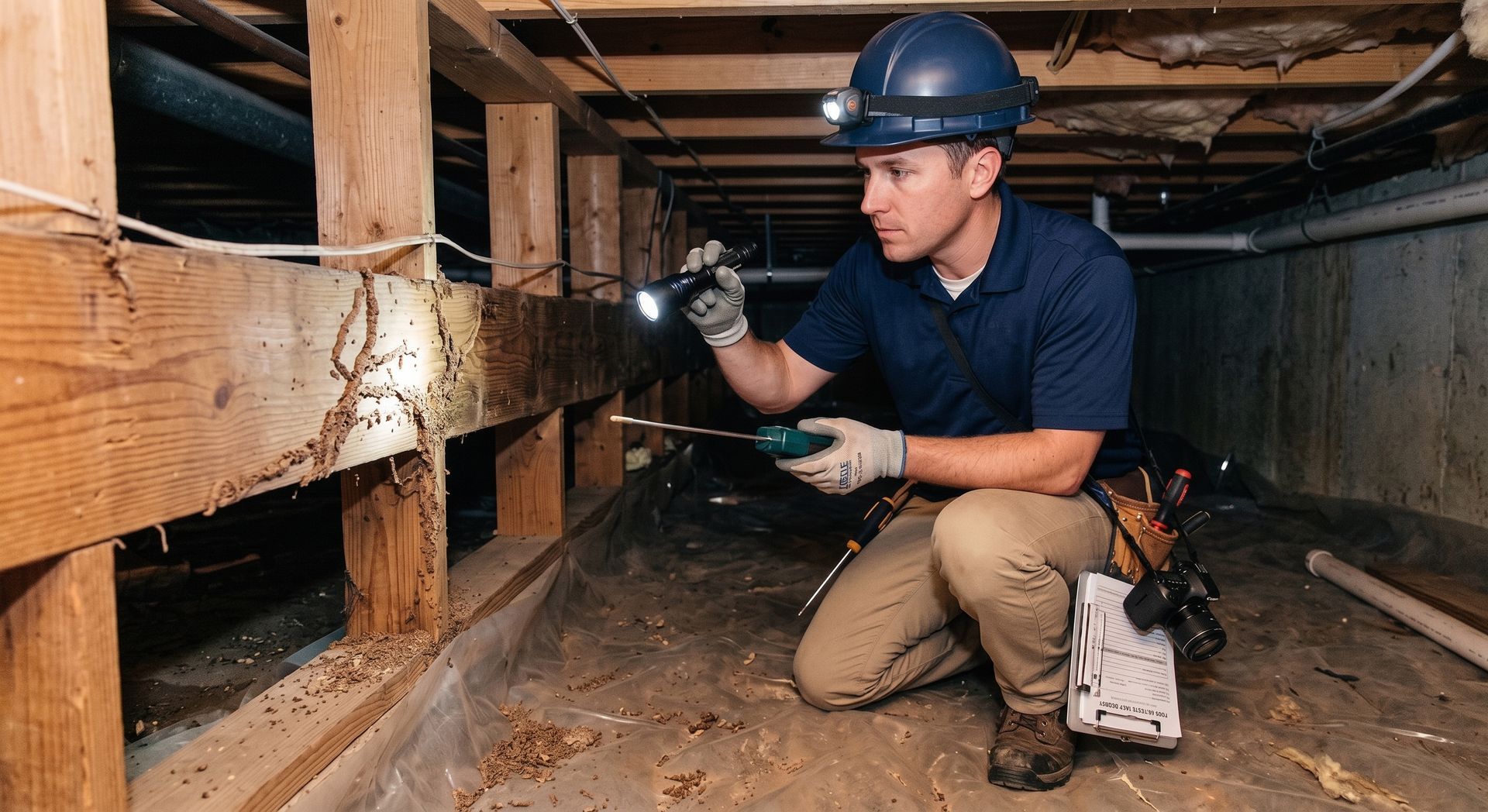
Professional flea control focuses on breaking the flea life cycle and eliminating infestations at every stage. The process begins with a detailed inspection to identify affected areas and determine infestation severity.
Targeted treatments are applied to carpets, baseboards, furniture, pet resting areas, and other hotspots. Professional-grade products kill adult fleas while also preventing eggs and larvae from developing.
Insect growth regulators are a critical component, stopping reproduction and ensuring long-term control. Treatments are applied carefully to maximize effectiveness while maintaining safety for families and pets.
Homeowners are also provided with preparation and aftercare instructions, including vacuuming schedules, pet treatment coordination, and laundering recommendations.
In many cases, follow-up treatments are scheduled to ensure complete elimination as dormant pupae emerge.
The Importance of Treating Pets and the Environment Together
Successful flea control requires treating both the home and any pets simultaneously. Treating only pets allows fleas in the environment to reattach. Treating only the home allows fleas on pets to restart the infestation.
Professional pest control works best when combined with veterinarian-recommended flea prevention for pets. Coordinating these efforts ensures fleas have nowhere to survive.
Preventing Future Flea Infestations
Long-term flea prevention involves consistent pet care and environmental management. Pets should remain on year-round flea prevention, especially in homes with past infestations.
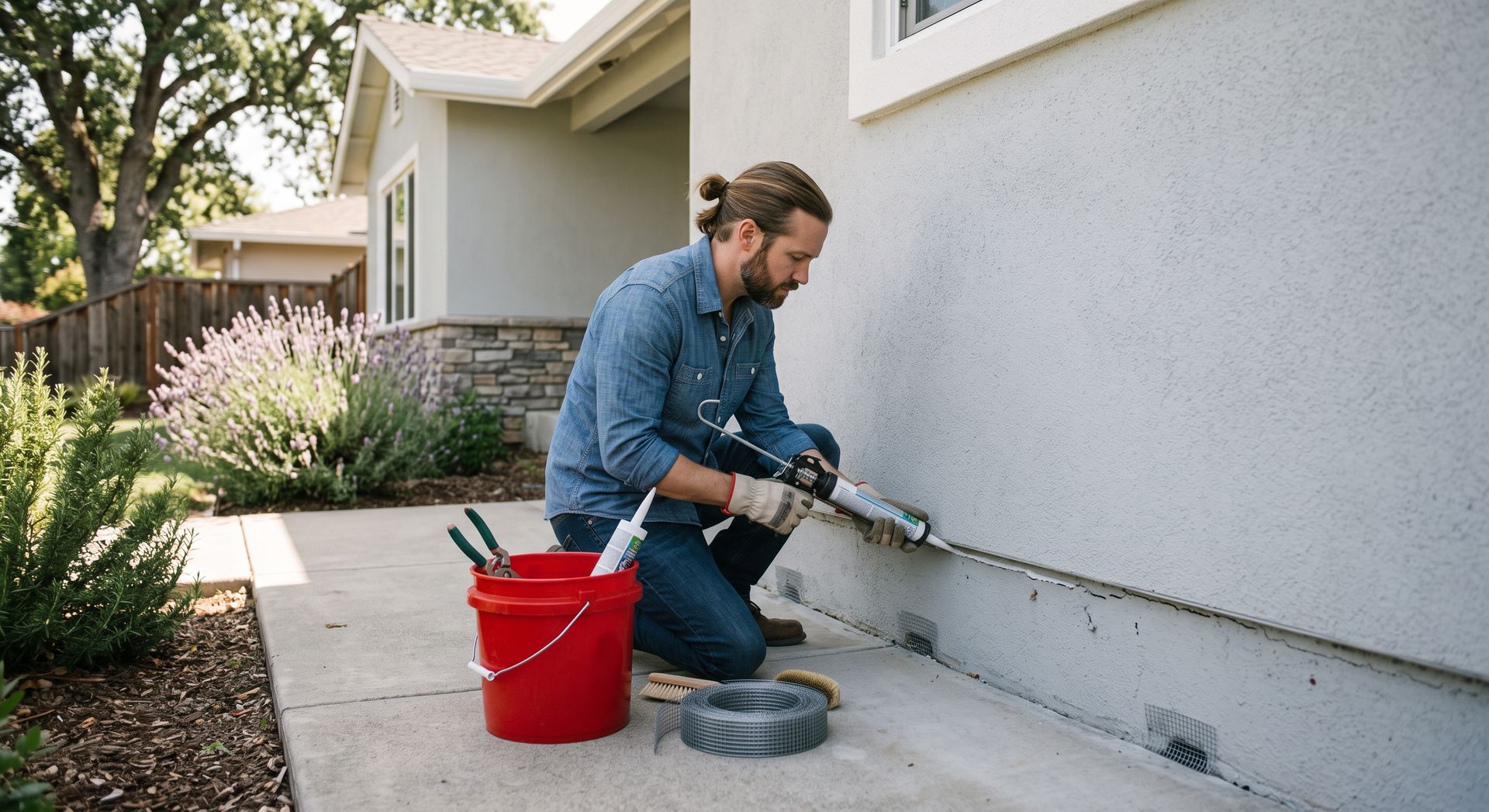
Vacuuming regularly, washing pet bedding frequently, and reducing wildlife access around the home help minimize flea risks. Sealing crawl spaces, repairing vents, and limiting wildlife nesting areas reduce outdoor flea sources.
Seasonal pest maintenance can also help prevent fleas from becoming established again.
FAQs
How long does it take to get rid of fleas completely?
Most infestations improve significantly within days, but full elimination may take several weeks as dormant fleas emerge and are controlled.
Are professional flea treatments safe for pets and children?
Yes. Treatments are applied using products designed for residential safety when used properly.
Do I need to leave my home during flea treatment?
Temporary re-entry restrictions may apply depending on the product used. Your technician will provide clear instructions.
Final Thoughts
Flea infestations are frustrating, disruptive, and rarely solved without professional help. Understanding how fleas spread and why DIY treatments fail explains why these pests persist in so many homes.
With professional flea control, Monroe County homeowners can protect their pets, restore comfort, and prevent future infestations. Addressing the problem thoroughly and correctly ensures long-term relief instead of repeated frustration.