
Spider Control in Rochester Homes: What Spiders Really Mean and How to Get Rid of Them
Spider Control in Rochester Homes: Understanding Spiders and How to Eliminate Them

Few pests cause as much discomfort as spiders. Even homeowners who aren’t afraid of insects often find spiders unsettling, especially when they appear repeatedly in basements, bathrooms, bedrooms, or garages. In Rochester and throughout Monroe County, spider sightings inside homes are extremely common—particularly during fall and winter.
While most spiders in Upstate New York are not dangerous, their presence inside the home is rarely random. Spiders follow food sources, shelter, and favorable conditions. When spiders become a regular problem, it often indicates a larger pest issue that needs to be addressed.
This guide explains why spiders enter Rochester homes, the species commonly found in the area, what spider activity usually means, why DIY solutions fall short, and how professional pest control provides lasting spider reduction.
Why Spiders Enter Rochester Homes
Spiders move indoors for the same basic reasons as other pests: food, warmth, and shelter. Rochester’s climate creates ideal conditions for seasonal spider invasions.
As temperatures cool in late summer and fall, spiders search for warmer environments to survive the winter. Homes provide stable temperatures, protection from predators, and—most importantly—access to insects.
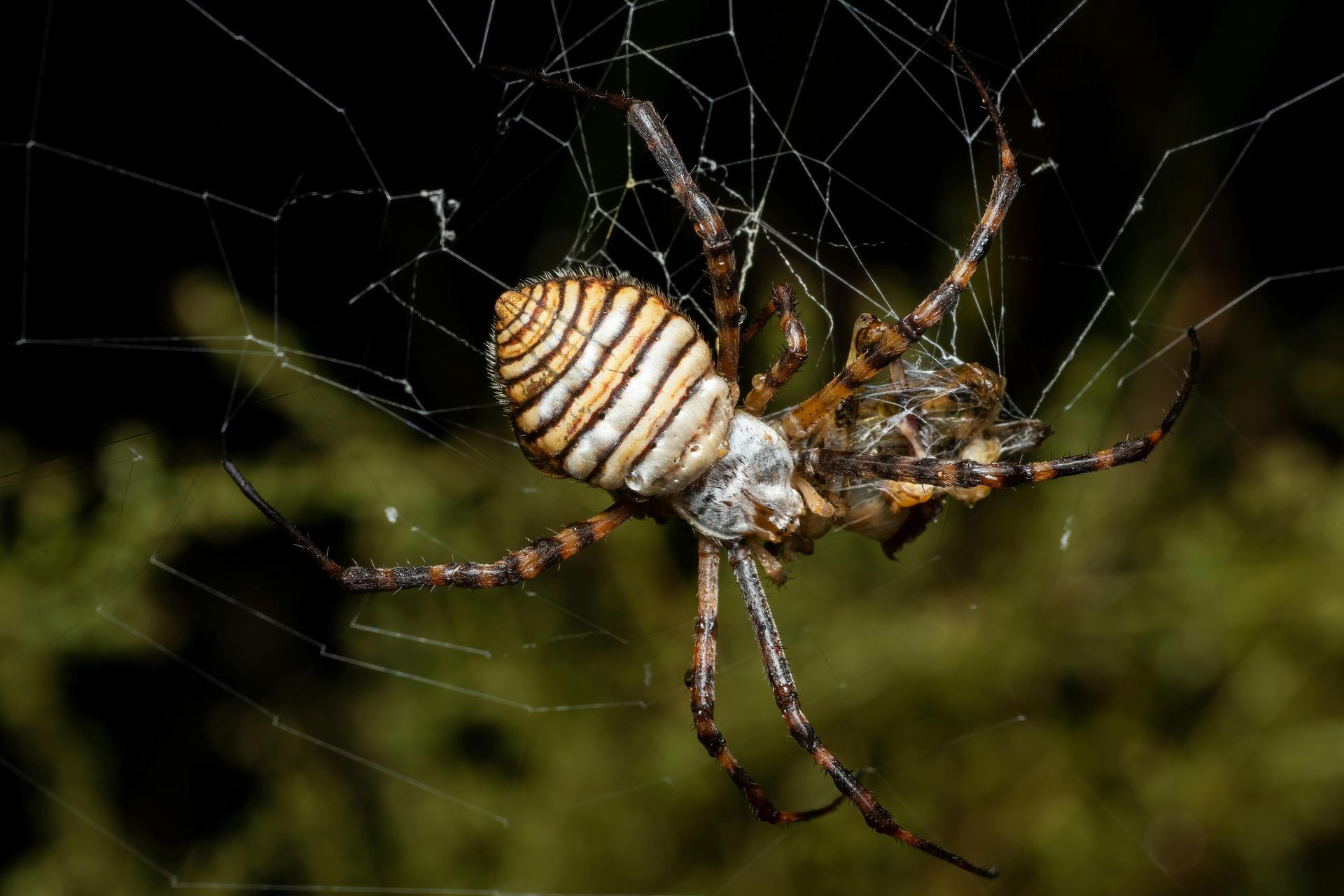
Spiders are predators. They do not feed on crumbs, garbage, or moisture. They feed on other pests. When spiders are present, it almost always means there are insects inside or around the home supplying a steady food source.
Basements, crawl spaces, attics, garages, and utility rooms are especially attractive because they are dark, quiet, and often undisturbed. Homes with exterior lighting near doors or windows may unintentionally attract insects at night, which in turn attract spiders.
Common Spiders Found in Monroe County Homes
Several spider species are commonly encountered in Rochester-area homes. While most are harmless, repeated sightings can still cause concern and frustration.
House spiders are among the most common. They build messy webs in corners, ceilings, and basements and are often seen year-round indoors.
Cellar spiders, sometimes called “daddy longlegs,” are frequently found in basements and crawl spaces. They prefer damp environments and feed on small insects and other spiders.
Wolf spiders are larger, fast-moving spiders that do not build webs. They often wander indoors by accident and can startle homeowners due to their size. While not aggressive, their appearance can cause alarm.
Venomous spiders are extremely rare in Monroe County. Brown recluse and black widow spiders are not native to the region and are seldom found indoors. Most spider sightings involve non-dangerous species.
What Spider Activity Usually Indicates
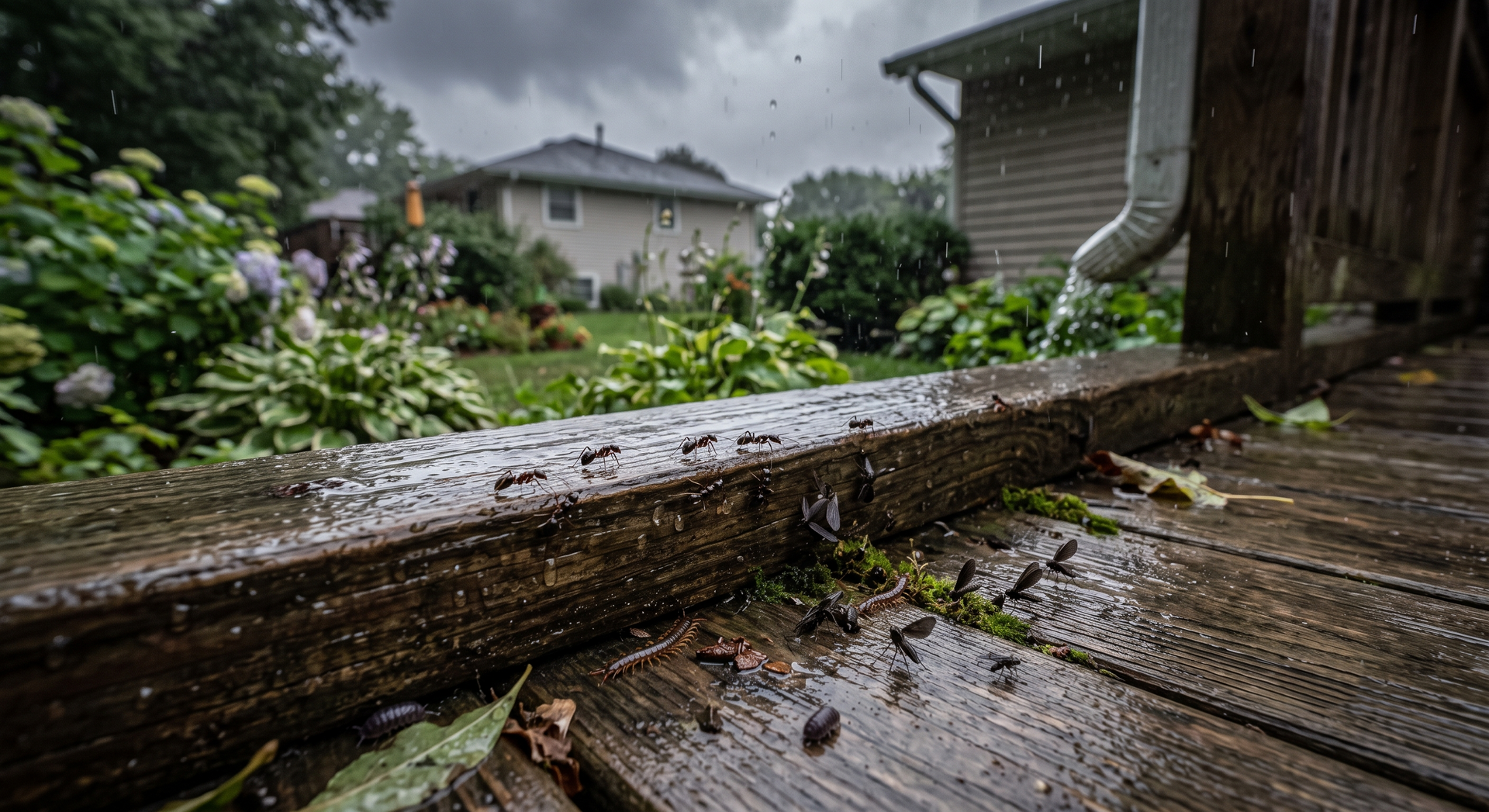
Spiders are rarely the primary pest problem. Instead, they are a symptom of underlying insect activity. When spiders are present, it often means the home also has issues with ants, flies, gnats, mosquitoes, or other insects.
Spider webs near windows or doors suggest insects are entering through those same openings. Spider activity in basements often coincides with moisture issues or hidden insect populations.
In winter, continued spider sightings may indicate that insects have already established themselves indoors, providing spiders with a food source throughout the colder months.
Treating spiders alone without addressing other pests almost always leads to recurring problems.
Why DIY Spider Control Doesn’t Last
Many homeowners attempt to handle spiders with sprays, sticky traps, or manual removal. While these methods may remove individual spiders, they rarely provide lasting results.
Sprays kill spiders on contact but do nothing to eliminate the insects they feed on. Sticky traps capture spiders but do not prevent new ones from entering. Vacuuming webs removes visible evidence but does not address why spiders are present in the first place.
Without controlling insect populations and sealing entry points, spiders will continue to return, often in the same locations.
DIY methods also fail to address hidden spiders nesting behind walls, inside attics, or within cluttered storage areas.
How Professional Spider Control Works
Effective spider control focuses on prevention rather than constant removal. Professional pest control reduces spider populations by eliminating the conditions that allow them to thrive.
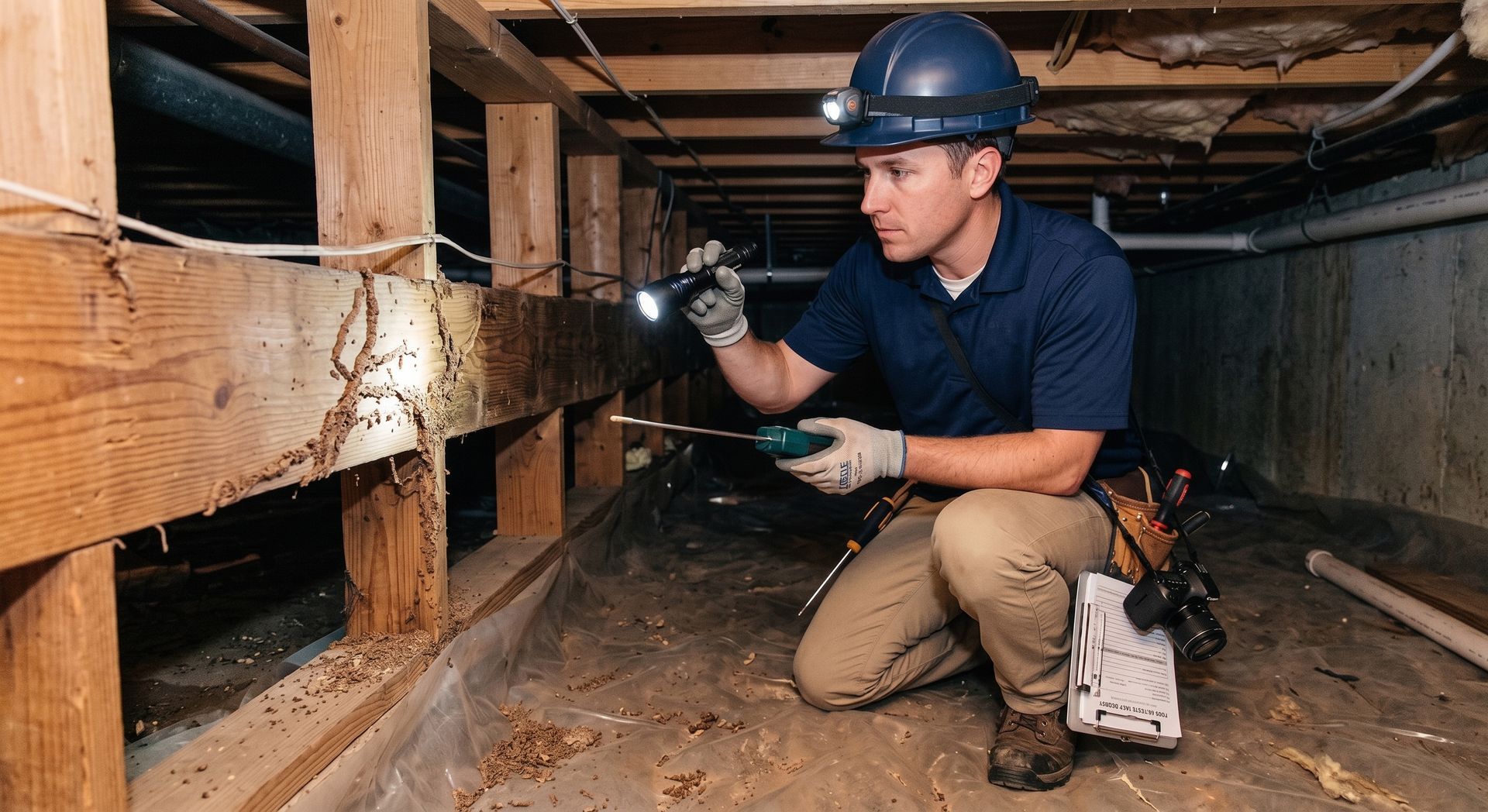
The process begins with a thorough inspection of the home’s interior and exterior. Entry points, insect activity, moisture sources, and web locations are identified. The goal is to understand why spiders are present and what is supporting them.
Exterior perimeter treatments create a barrier that reduces insect entry around doors, windows, siding, and foundations. By cutting off the food supply, spiders naturally decline.
Interior crack-and-crevice treatments target hiding areas such as baseboards, corners, utility penetrations, and unfinished spaces. These applications are focused and minimal, prioritizing safety and effectiveness.
Cobweb removal is also an important part of spider control. Removing webs disrupts spider nesting behavior and reduces the likelihood of spiders settling in the same locations again.
The Role of Exclusion and Maintenance
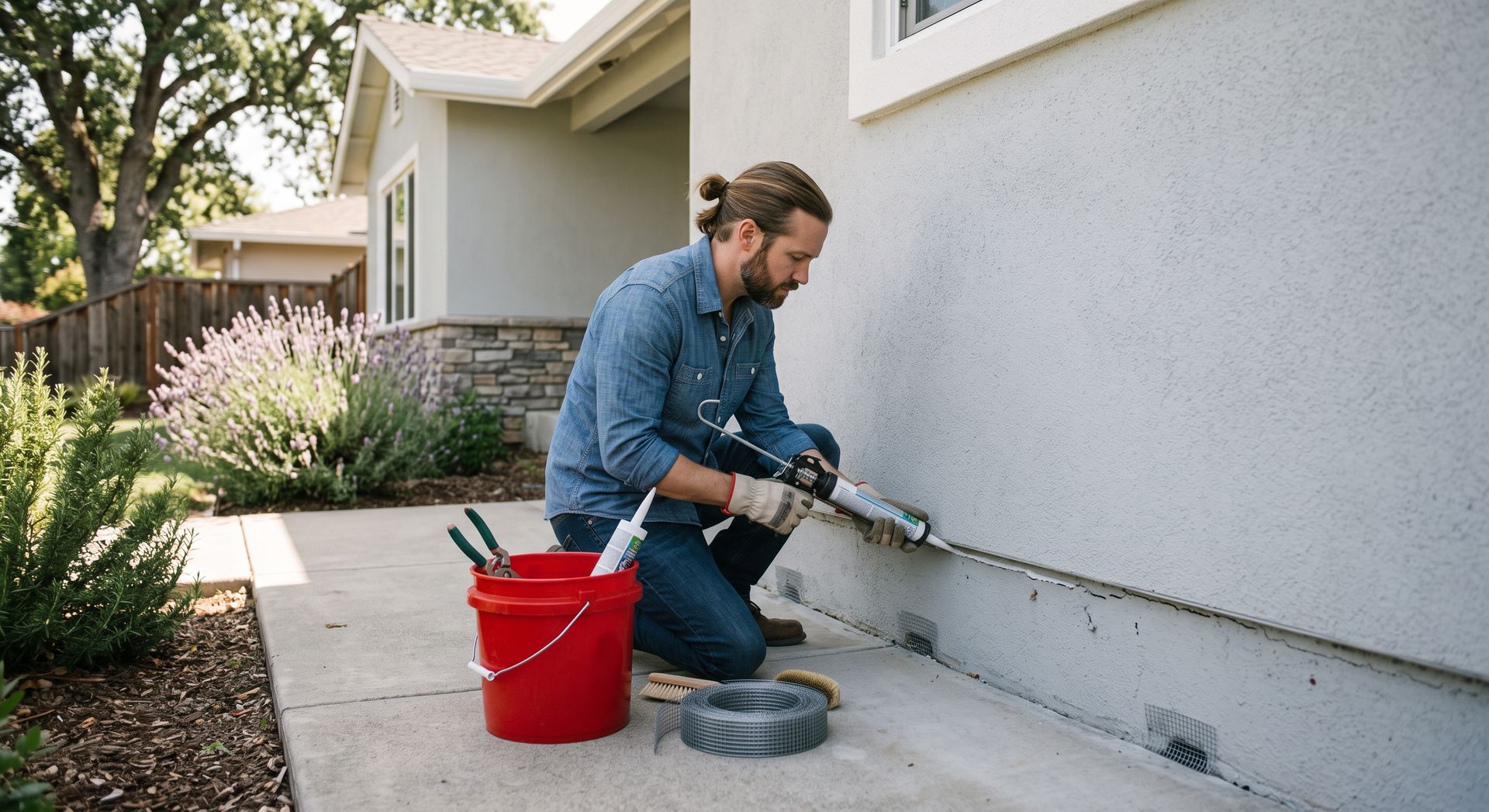
Long-term spider control depends heavily on exclusion. Small gaps around doors, windows, vents, and utility lines allow insects and spiders inside. Sealing these areas significantly reduces activity.
Outdoor maintenance also plays a role. Vegetation touching the home creates bridges for insects and spiders. Keeping shrubs trimmed and mulch away from foundations helps reduce pest pressure.
Reducing outdoor lighting near entry points limits insect attraction at night, which in turn reduces spider presence around doors and windows.
Seasonal maintenance treatments are especially effective for homes with recurring spider problems or properties near wooded areas, water sources, or older construction.
When Spiders Become a Bigger Concern
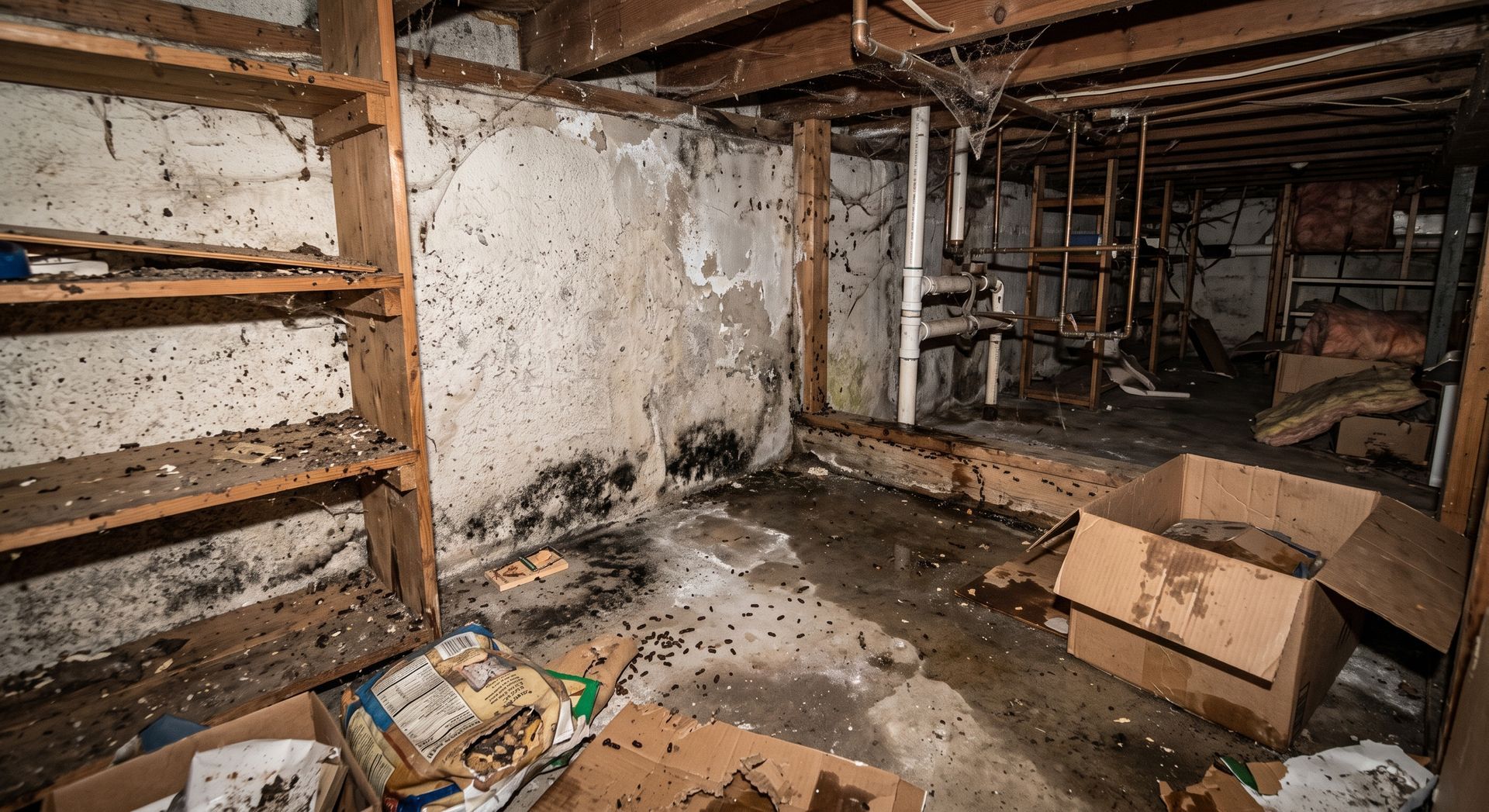
While most spiders are harmless, excessive spider activity can indicate serious insect infestations or moisture problems. Homes with high humidity, poor ventilation, or water intrusion often support larger insect populations.
In some cases, spider presence may also signal wildlife activity in attics or crawl spaces, bringing insects along with them.
Ignoring these issues allows conditions to worsen over time. Professional inspections help identify and correct these underlying problems before they escalate.
FAQs
Are spiders dangerous to my family or pets?
Most spiders found in Rochester homes are not dangerous. However, their presence can cause stress, and reducing them improves overall comfort and cleanliness.
How long does spider control take to work?
Many homeowners notice fewer spiders within days. Continued improvement occurs as insect populations are reduced and preventative measures take effect.
Will spiders return after treatment?
With proper insect control, exclusion, and maintenance, spider activity is significantly reduced long-term.
Final Thoughts
Spiders are rarely the real problem—they are messengers. When spiders appear indoors, they are telling homeowners that insects and favorable conditions exist inside the home.
Addressing the root cause instead of chasing individual spiders leads to lasting results. With professional pest control, Rochester homeowners can enjoy fewer spiders, fewer insects, and a more comfortable living environment year-round.